What It Costs
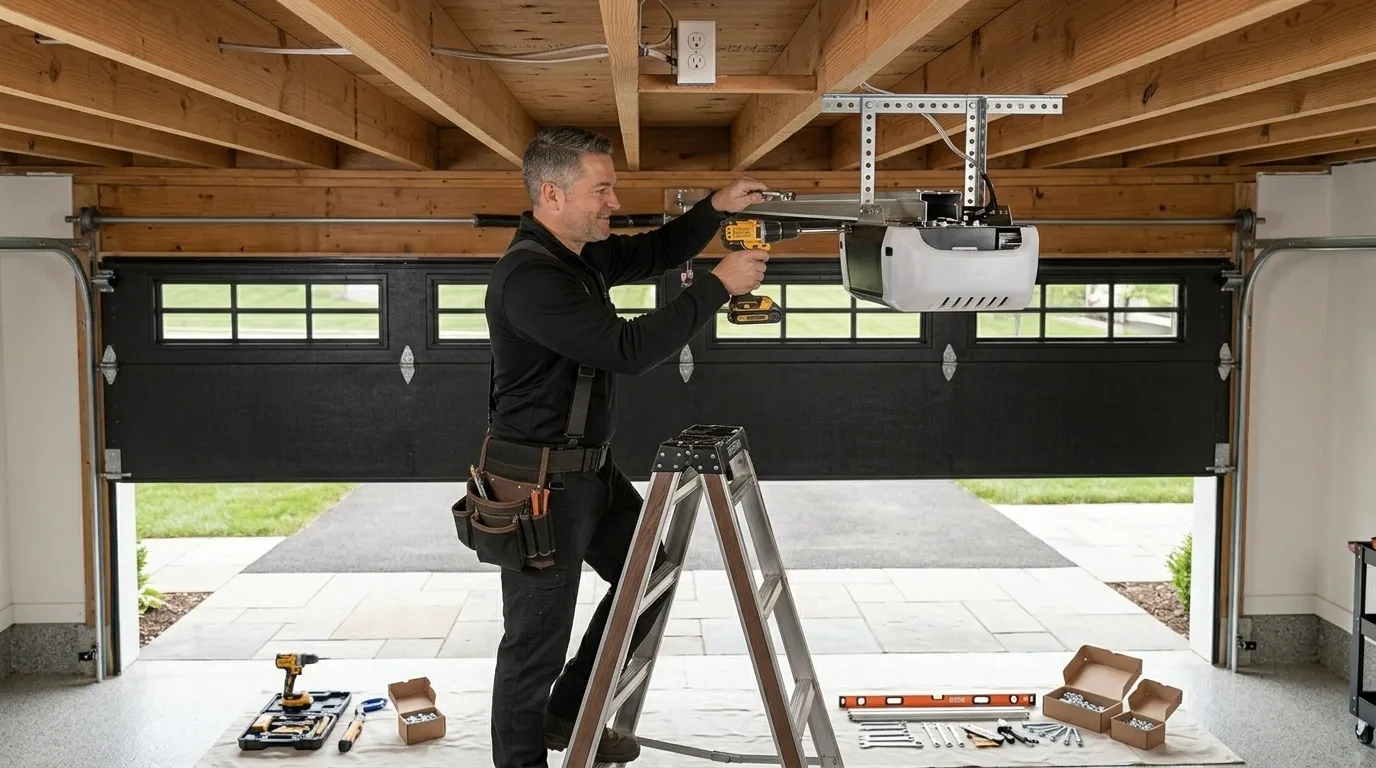
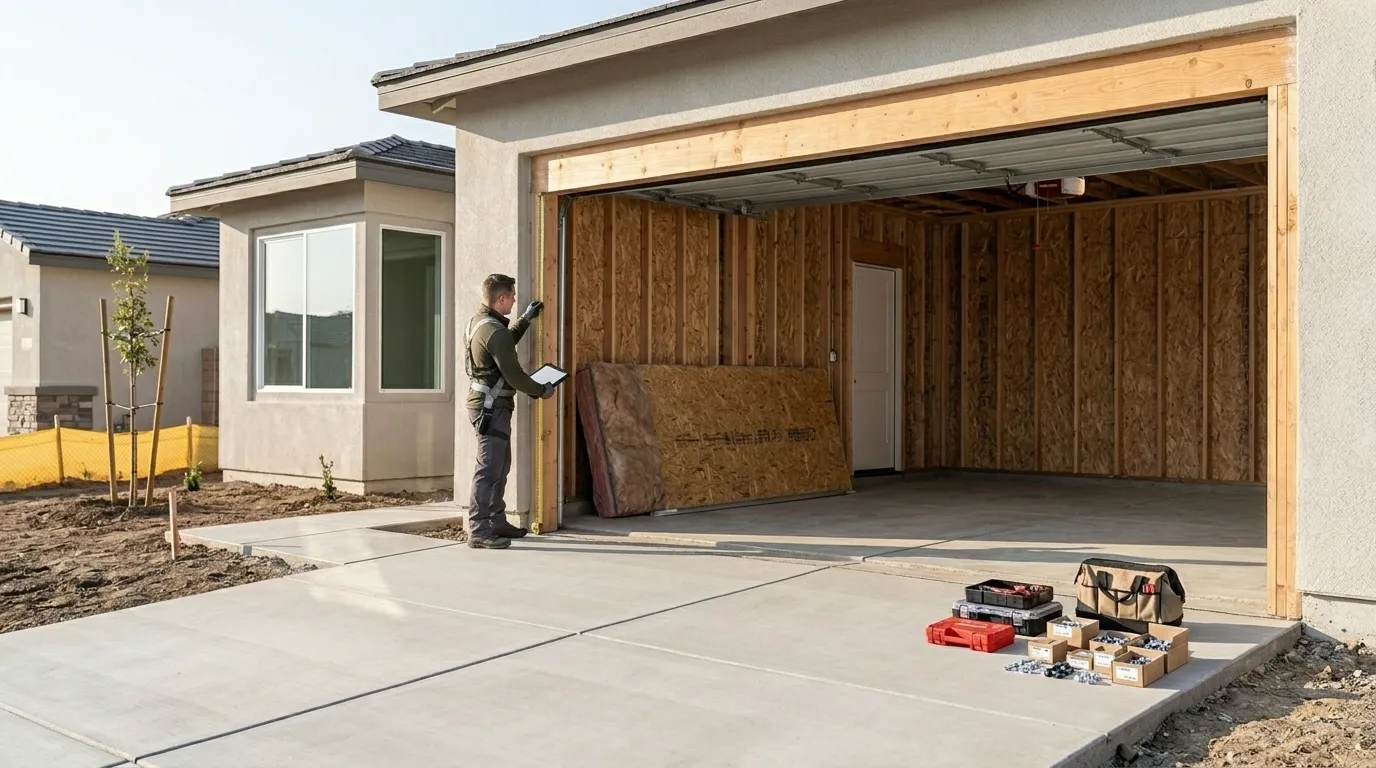
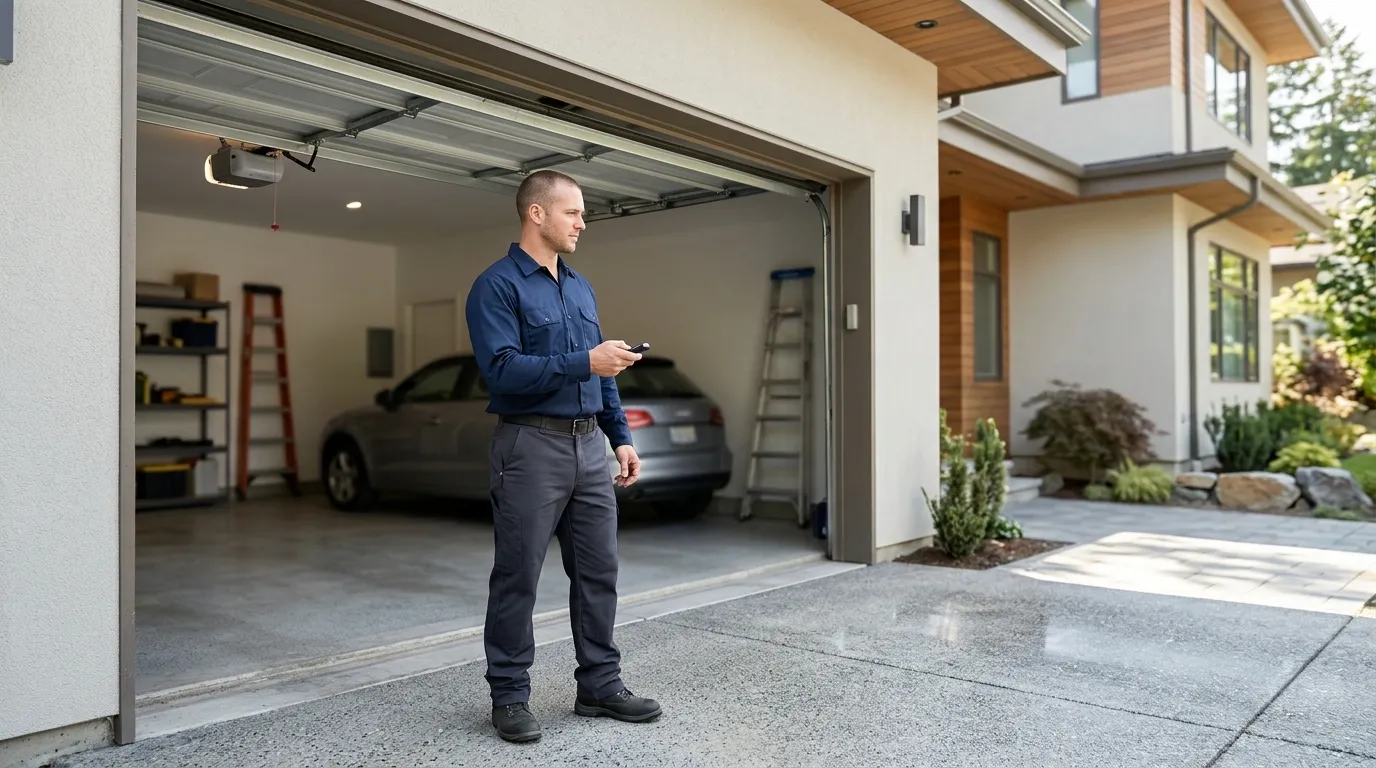
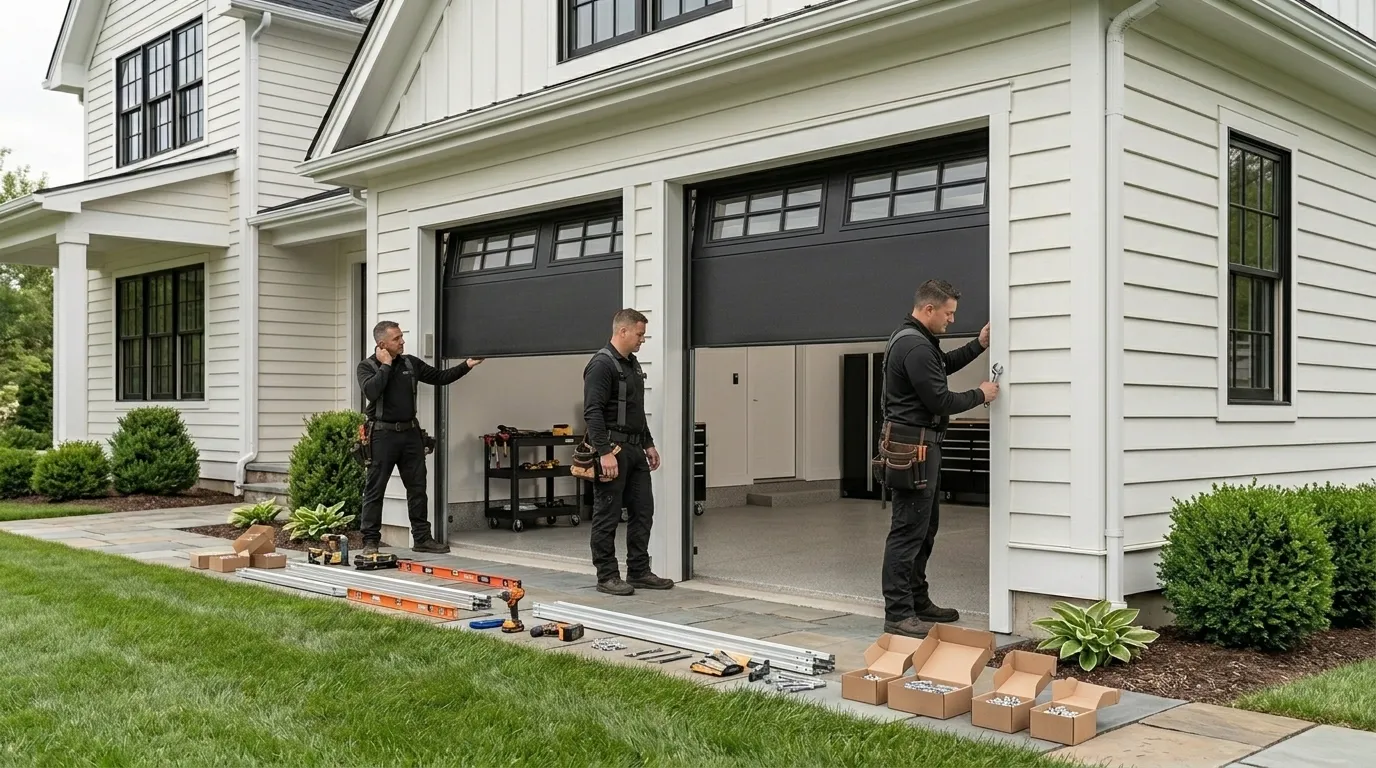
We're not going to hand you a number here, because opener installs in this area swing more than most jobs. A straight swap on a house built in the 1980s or 90s, where the wiring and header framing already fit a standard bracket, costs less than a first-time install on an older home from the 1938-1989 range where the header needs reinforcing or the electrical run has to be added from scratch. Belt-drive versus chain-drive, battery backup for winter power blips, and whether the old opener's rail and arm can be reused all move the price too.
With 11,782 owner-occupied houses across the service area and a median household income of $102,625, we see a wide spread of budgets and a wide spread of house ages, so we quote after we look at your header, your wiring, and your door - not off a phone call. What we can tell you honestly: if your opener is original to a house built before the 1990s, expect the quote to include some carpentry or wiring, not just the unit itself.
Why It Happens Here
The service area's housing runs from 1938 to 2003, with a lot of it concentrated in the 1980s and 90s across five named neighborhood clusters. That means two very different opener situations under one roof type. Homes from the older end often still run original chain-drive openers with no battery backup and minimal insulation on the door itself, and those units are past the point where parts are easy to find. Homes from the 80s and 90s boom era usually have a working opener, but it's often the first one that ever went in, now pushing 30-plus years, with worn gears and a motor that's been quietly slowing down.
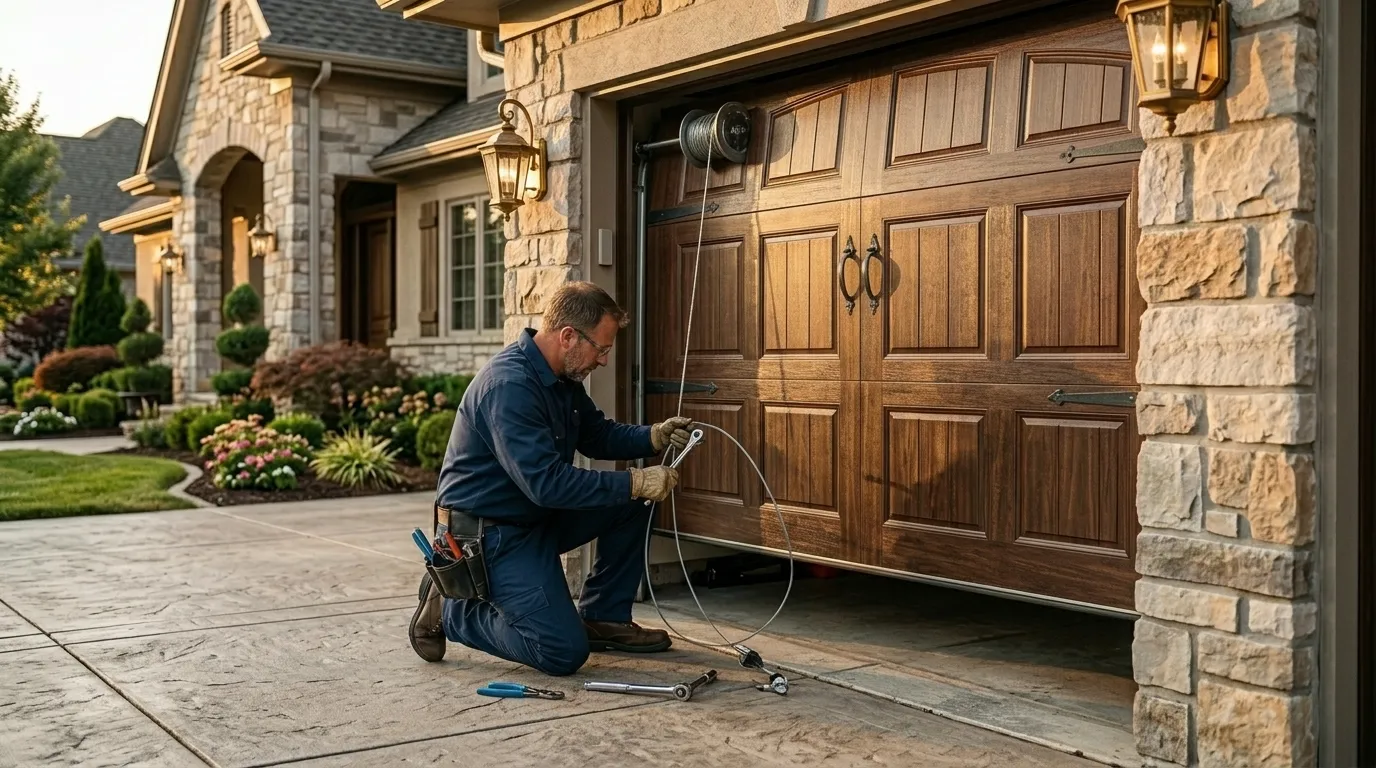
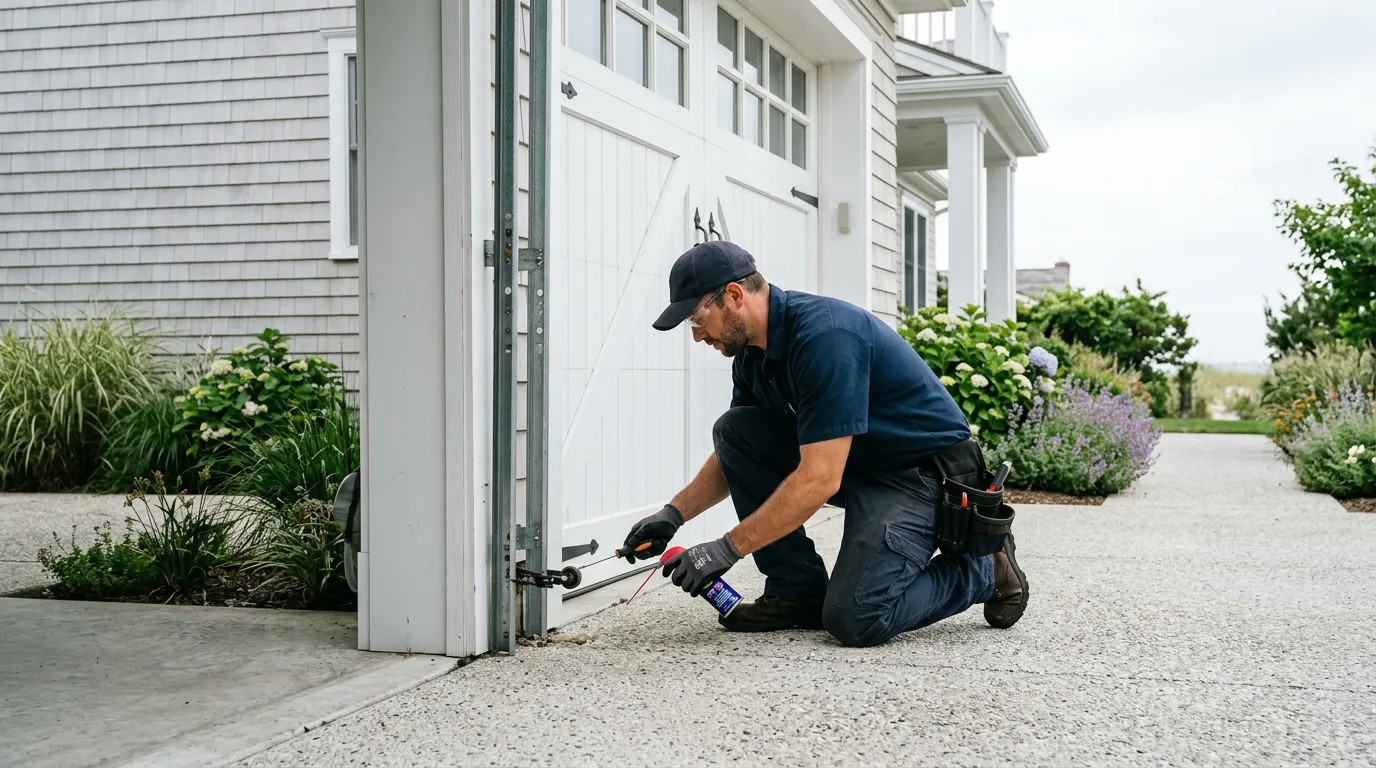
On top of the age issue, this is a severe cold climate, and that changes what an opener has to handle. Grease in the drive mechanism thickens in freezing temperatures, garage temperature swings put more load on the motor at start-up, and a door with any ice or frost binding on the track will pull hard against an opener that's already old and tired. In a mild climate that same worn opener might limp along for another few years. Here, cold snaps are what finally push a marginal opener into failure - usually the motor straining, then quitting, right when you need the door to open.
How It Shows Up
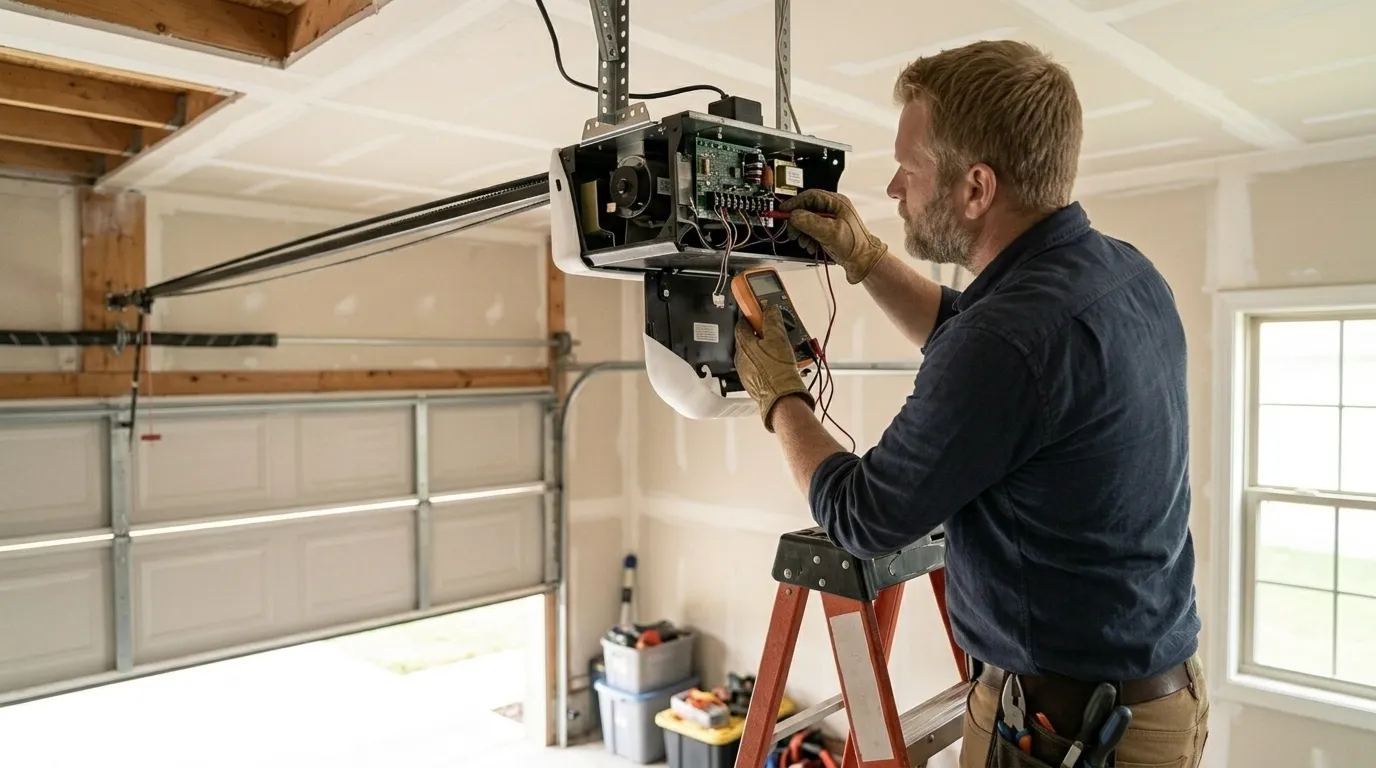
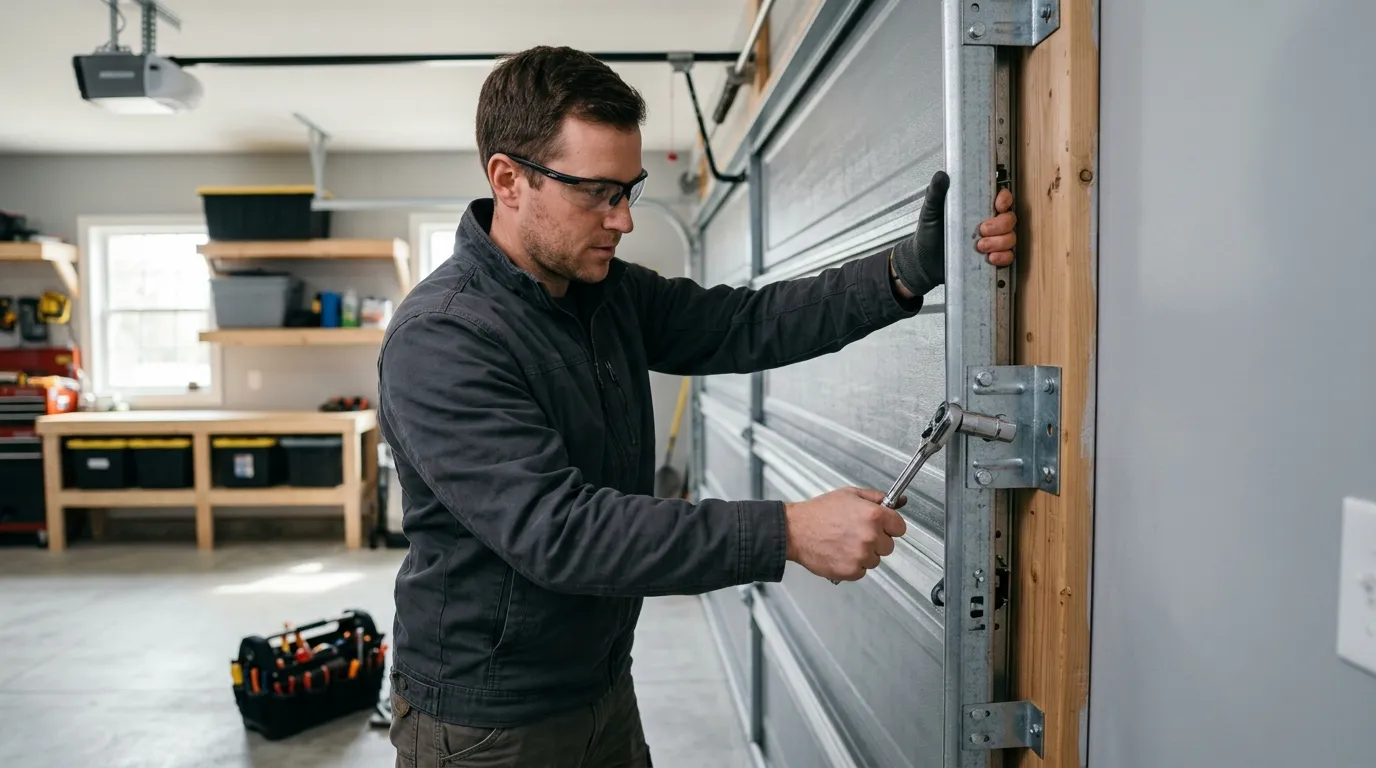
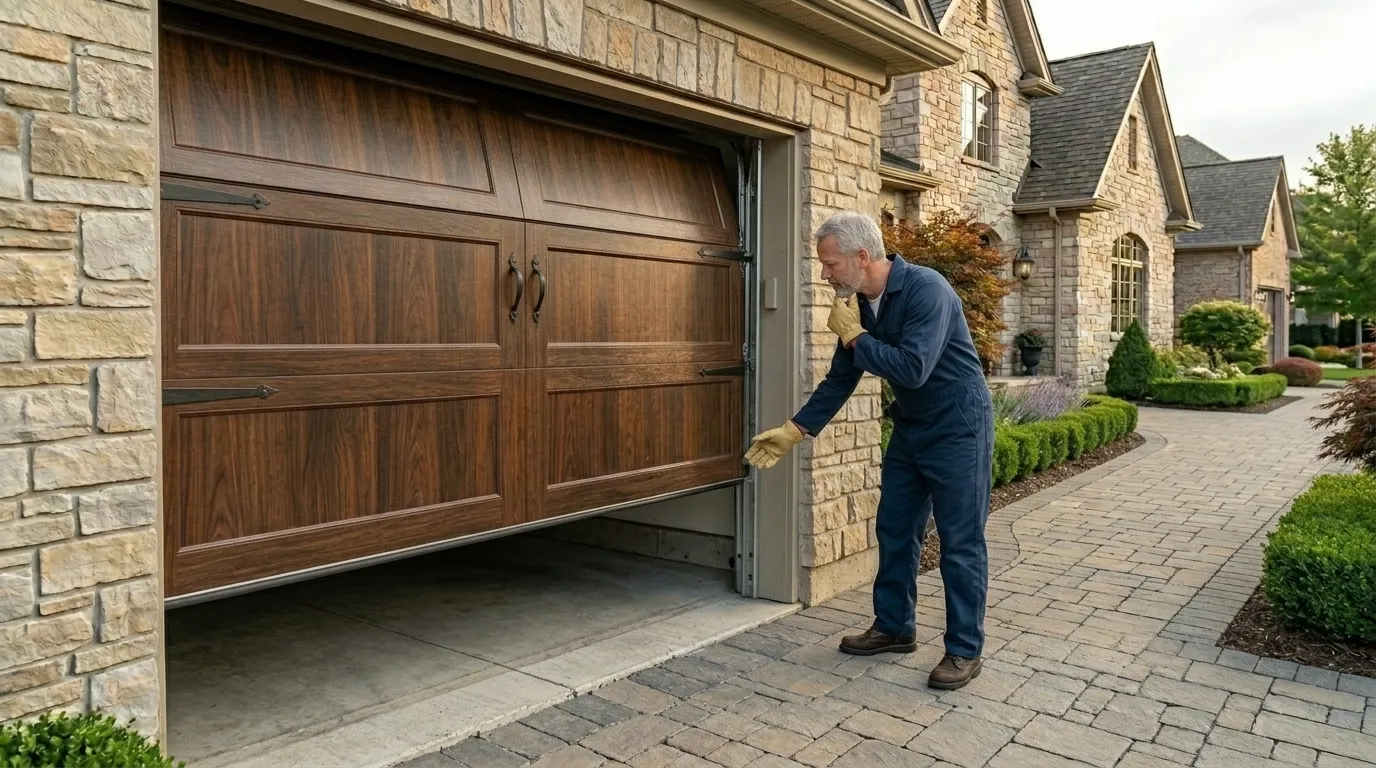
The most common call we get is an opener that runs but the door barely moves, or moves partway then stops - classic sign of a motor working harder than it should against cold-stiffened grease or a door that's slightly out of balance. Second most common: the opener hums but the door doesn't move at all, which usually means the gear inside the motor housing has stripped, a wear pattern we see a lot in units original to houses built in the 1980s and 90s that have simply hit the end of their service life.
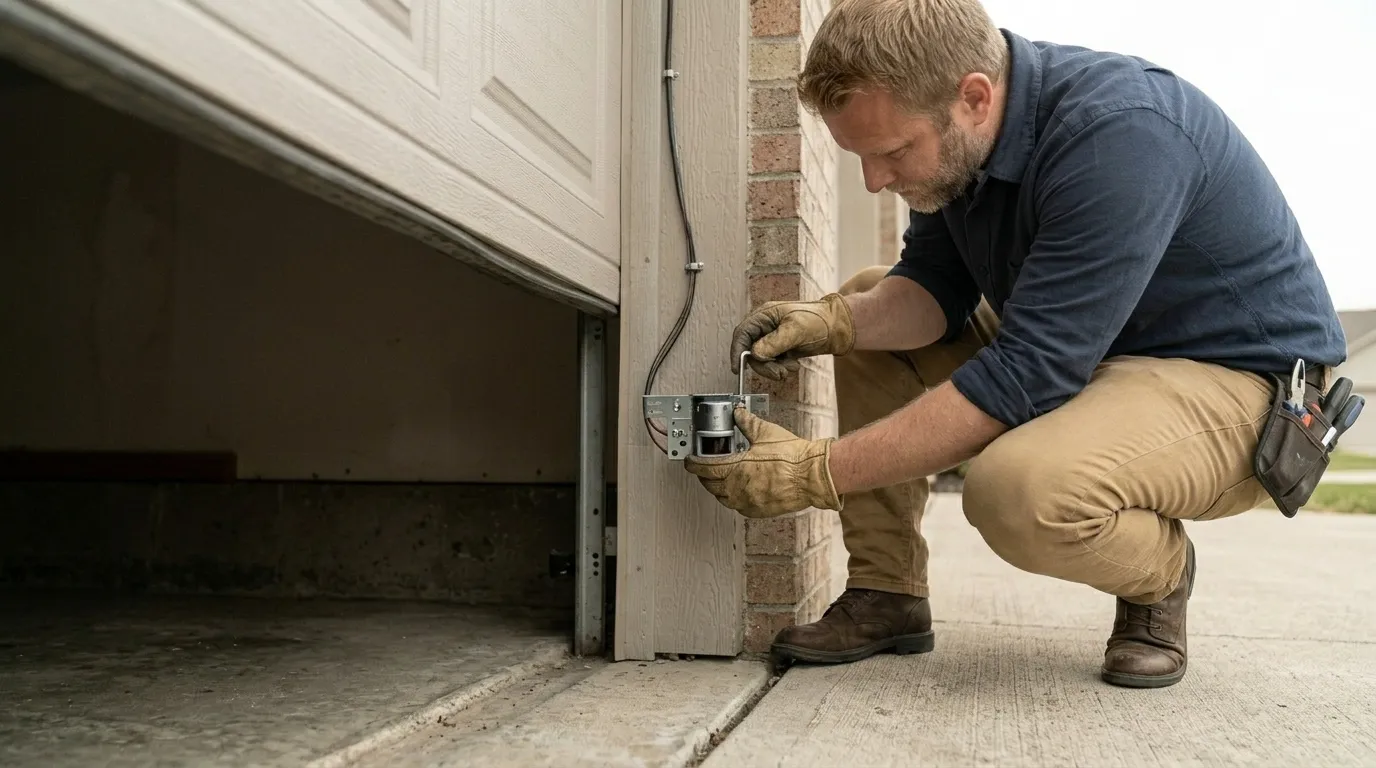
We also get calls where the remote or wall button stops working reliably in cold weather - not always the opener itself, sometimes just a sensor or logic board reacting to temperature swings in an unheated garage. And on older homes toward the 1938-1970s end of the range, we sometimes find openers with no safety reversing sensors at all, which is worth flagging even if the unit still runs, since it's a mismatch with current safety expectations rather than a functional complaint.