What It Costs
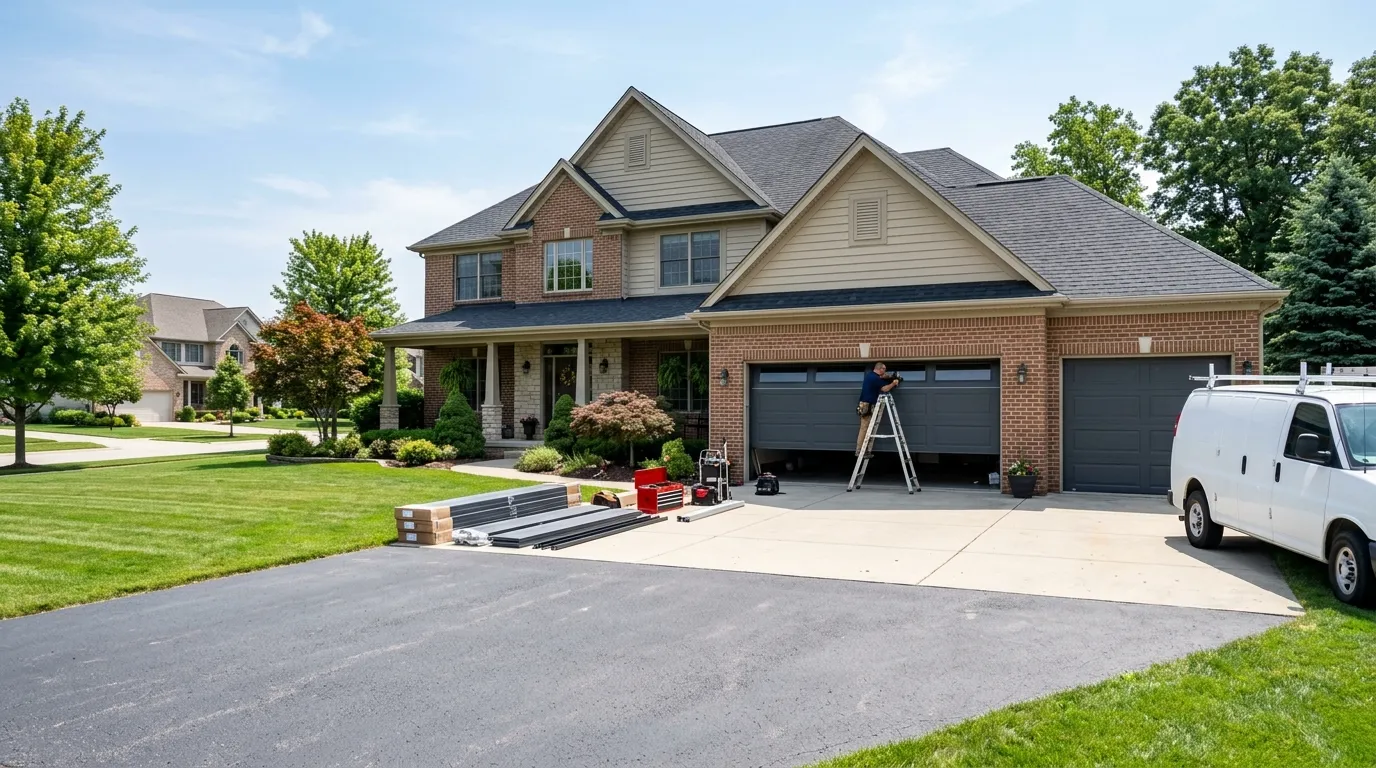
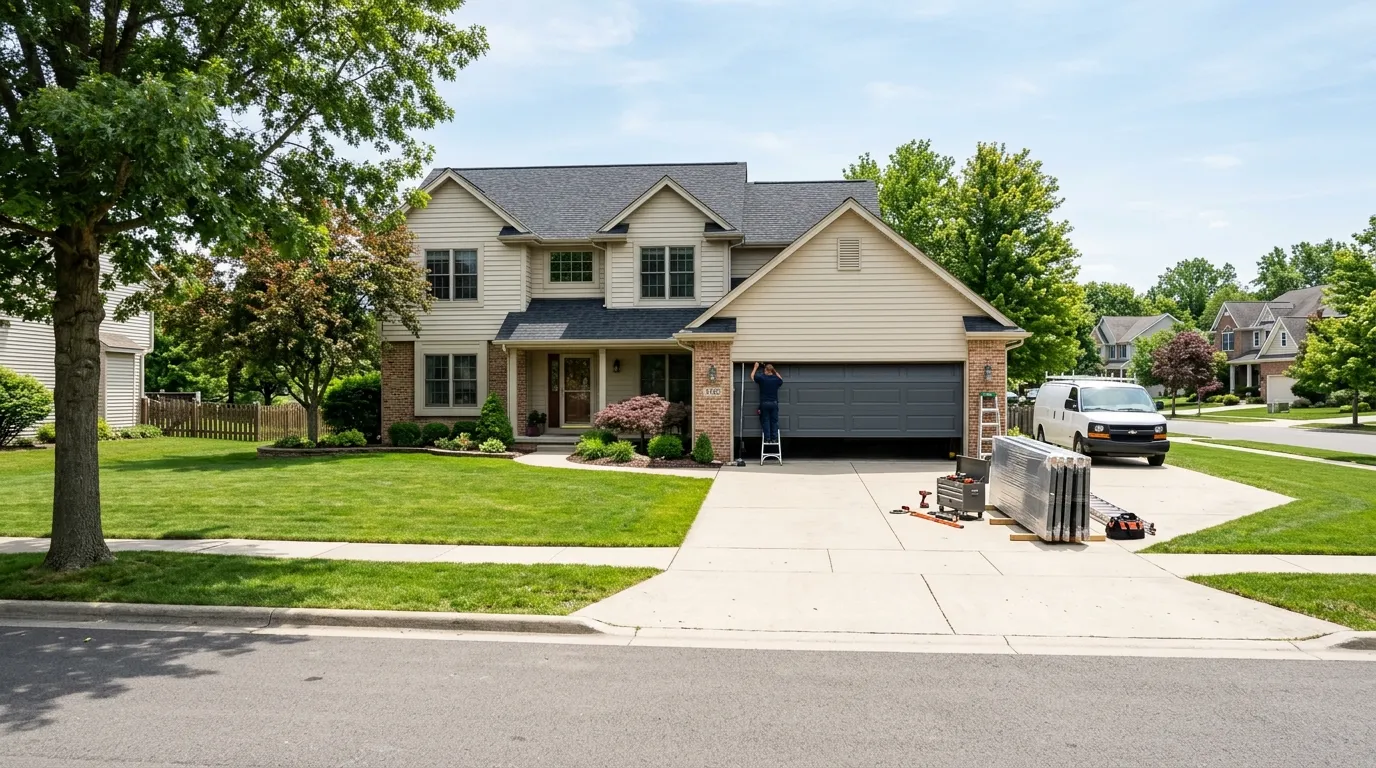
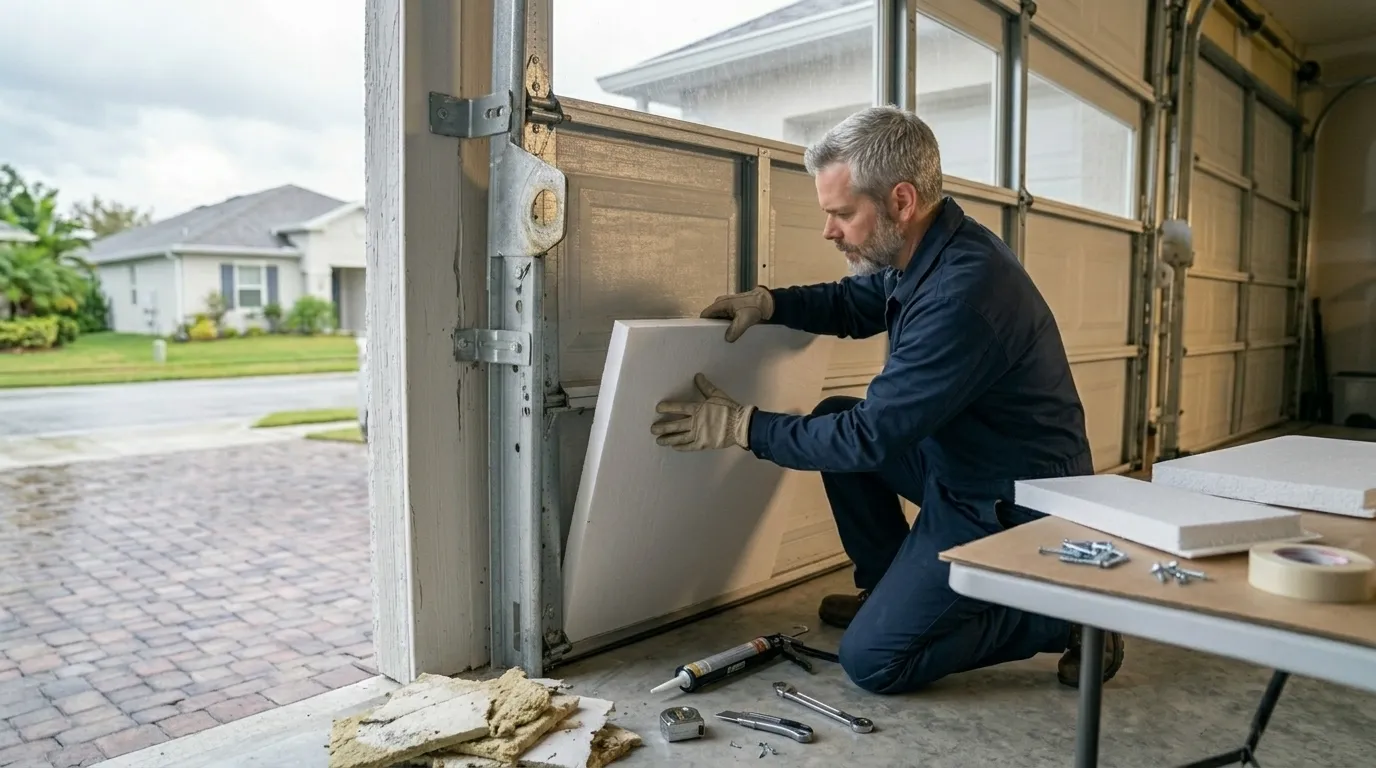
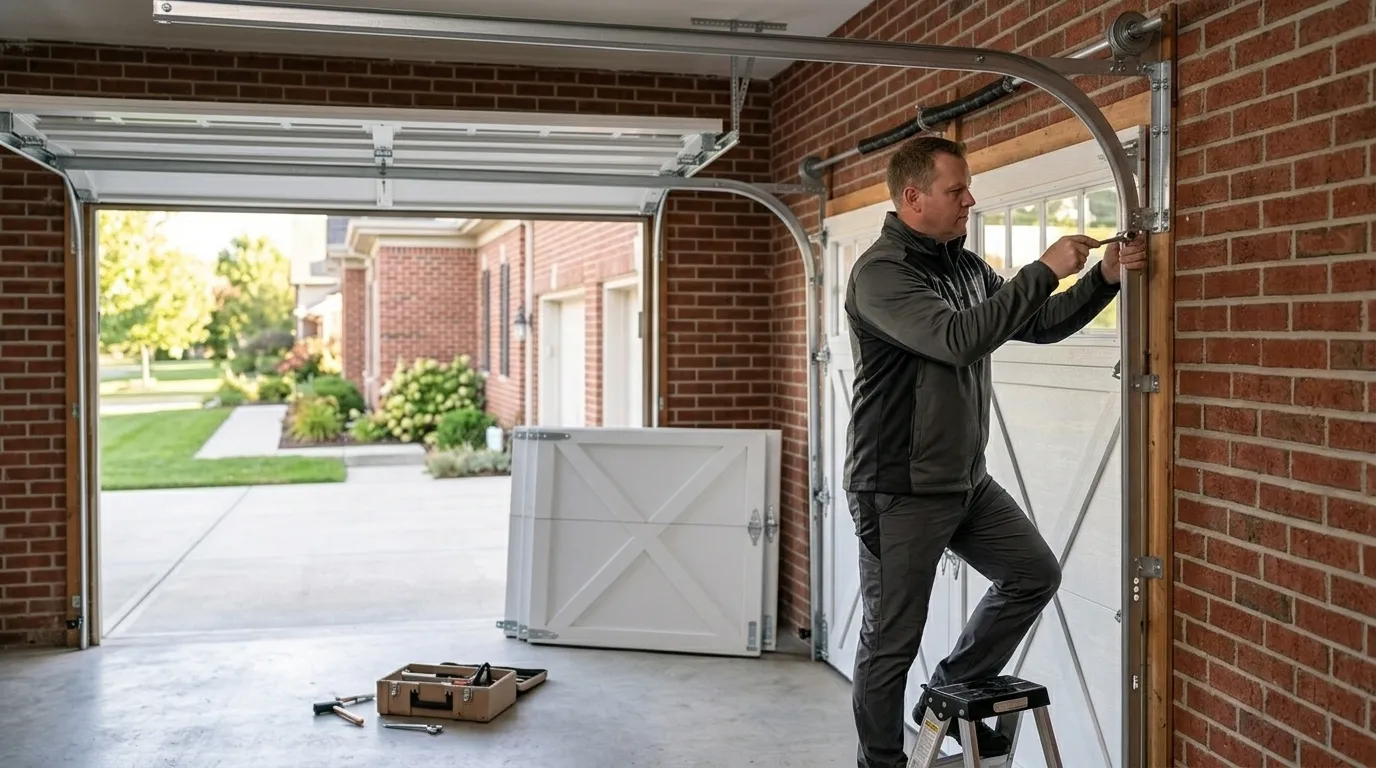
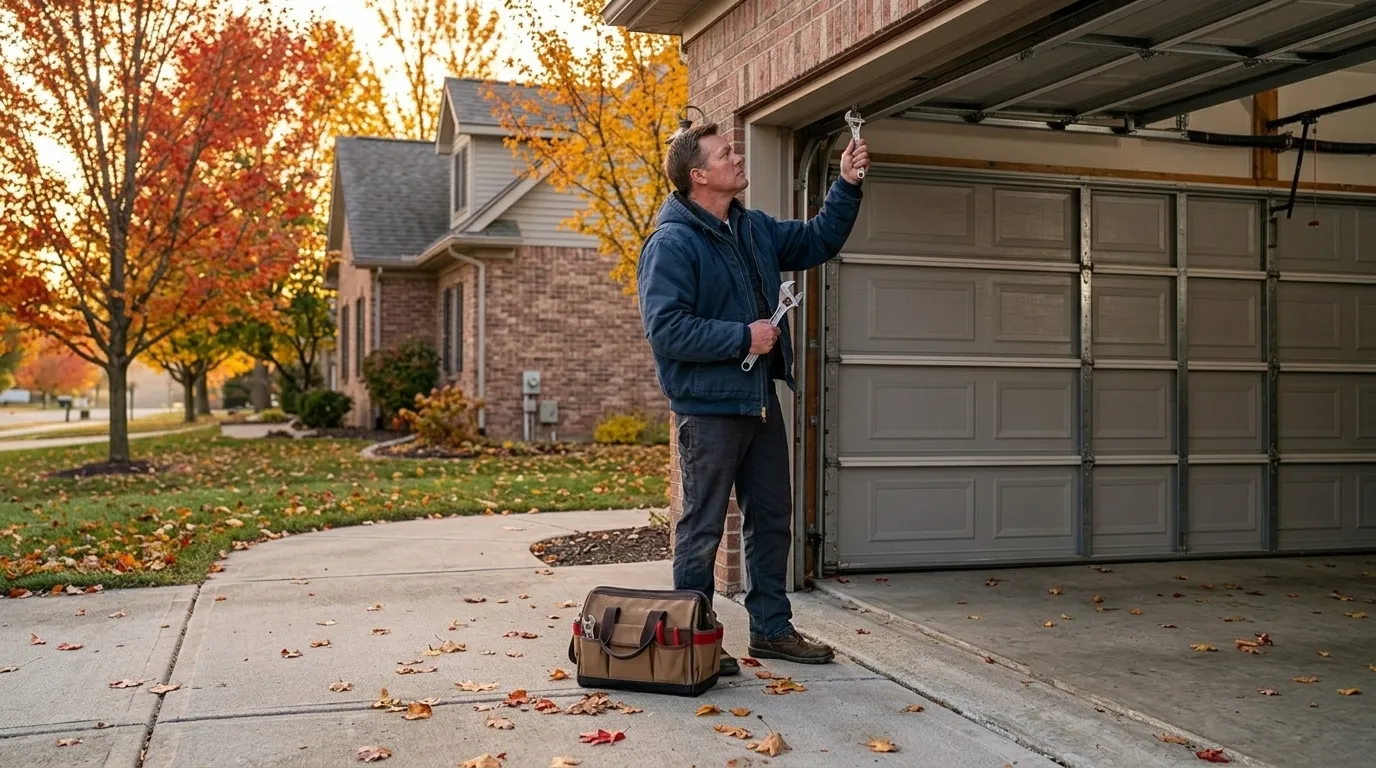
We don't post a flat number here because panel jobs vary more than almost any other garage door repair. A single dented steel panel on a door built in the 1990s is a different job than matching a panel on a door from the 1938-2003 window that's no longer in production. If your door still has its original panels and the manufacturer discontinued that profile, we may need to source a close match or move to a full-section swap instead of a single panel - that changes the math.
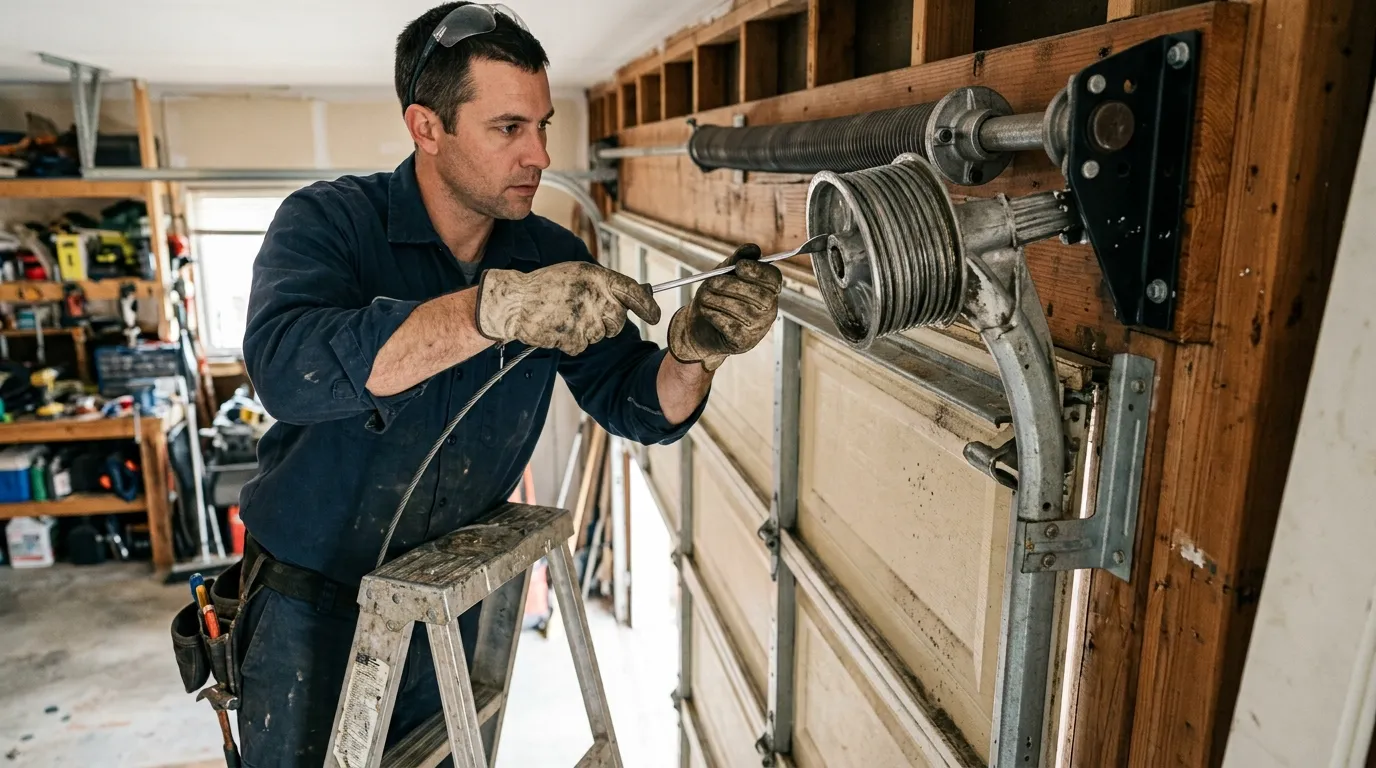
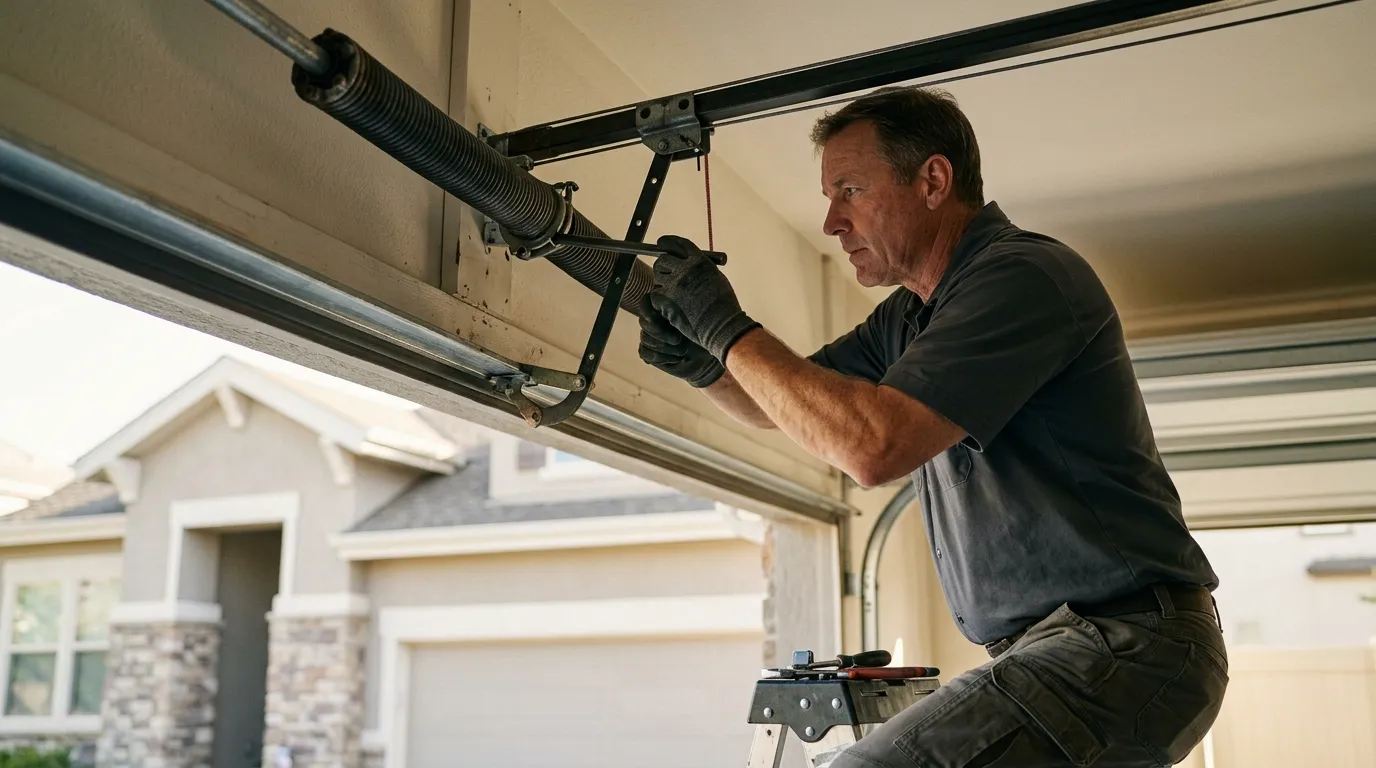
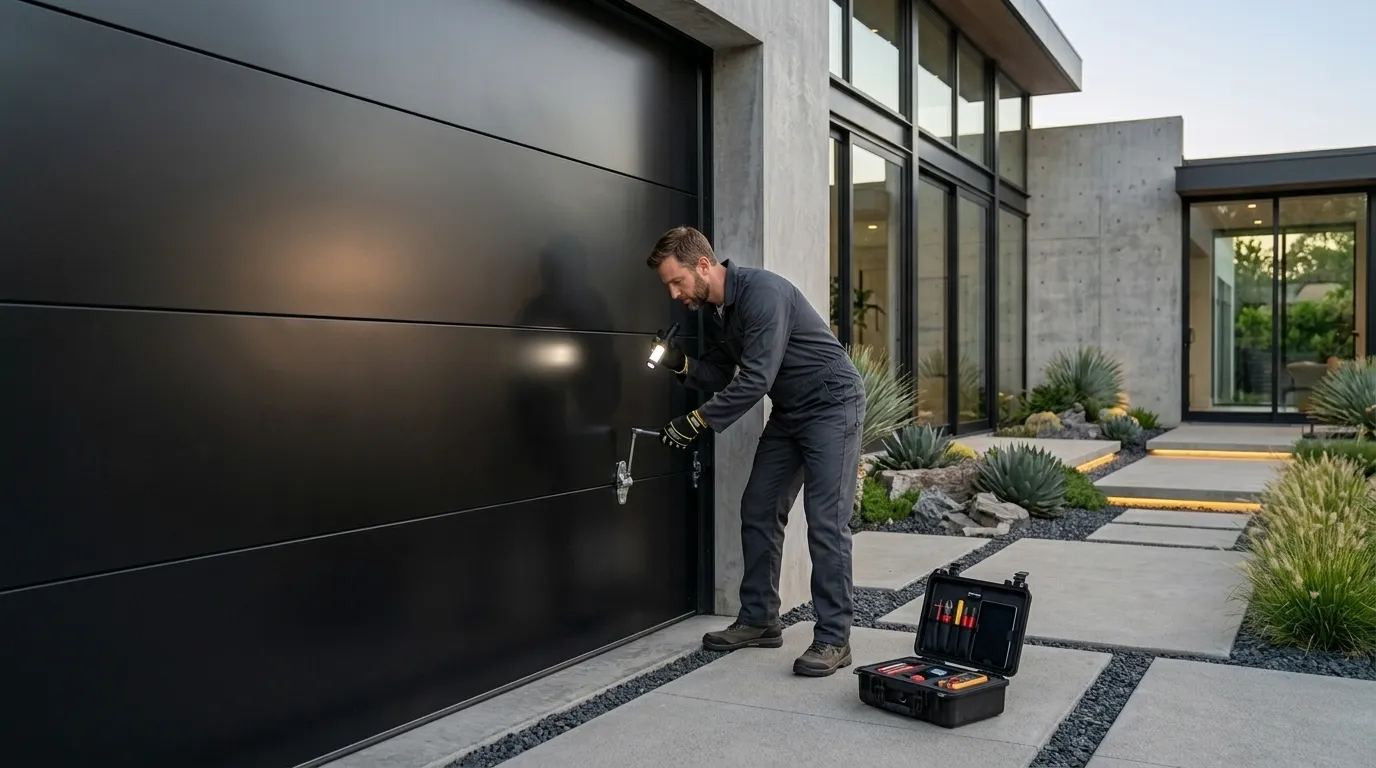
What we can tell you: insulated panels cost more than non-insulated, color-matched panels cost more than raw steel we paint after the fact, and if the dent pulled a hinge or track bracket with it, that hardware gets priced separately. We quote after we look at the door in person, because guessing over the phone on a panel job usually means we're wrong in one direction or the other. The honest limitation is lead time - matching an exact panel style on an older door sometimes means a wait on the supplier's end, not on ours.
Why It Happens Here
Reno sits in a severe cold climate band, and that matters more for garage door panels than most people expect. Steel and aluminum panels expand and contract with the daily swing between cold nights and sunny days, and that repeated flex works on seams, rivets, and the foam bond in insulated panels until something gives - a popped seam, a bowed section, a rivet that finally lets go.
Housing age plays into it too. The service area's homes were built between 1938 and 2003, with the median landing around 1989, and most of that is concentrated in five areas built mostly in the 1980s and 90s. Doors from that stretch used steel gauges and panel profiles that were standard then but aren't what's stocked new today, so when a panel finally fails from years of freeze-thaw cycling, replacement isn't always a same-day part off the shelf.
Older doors closer to the 1938 end of that range see it worse - decades of seasonal flexing on original hardware and panels that were never designed for today's climate swings. That's the door where a single dent often turns into 'we need to talk about the whole section.'
How It Shows Up
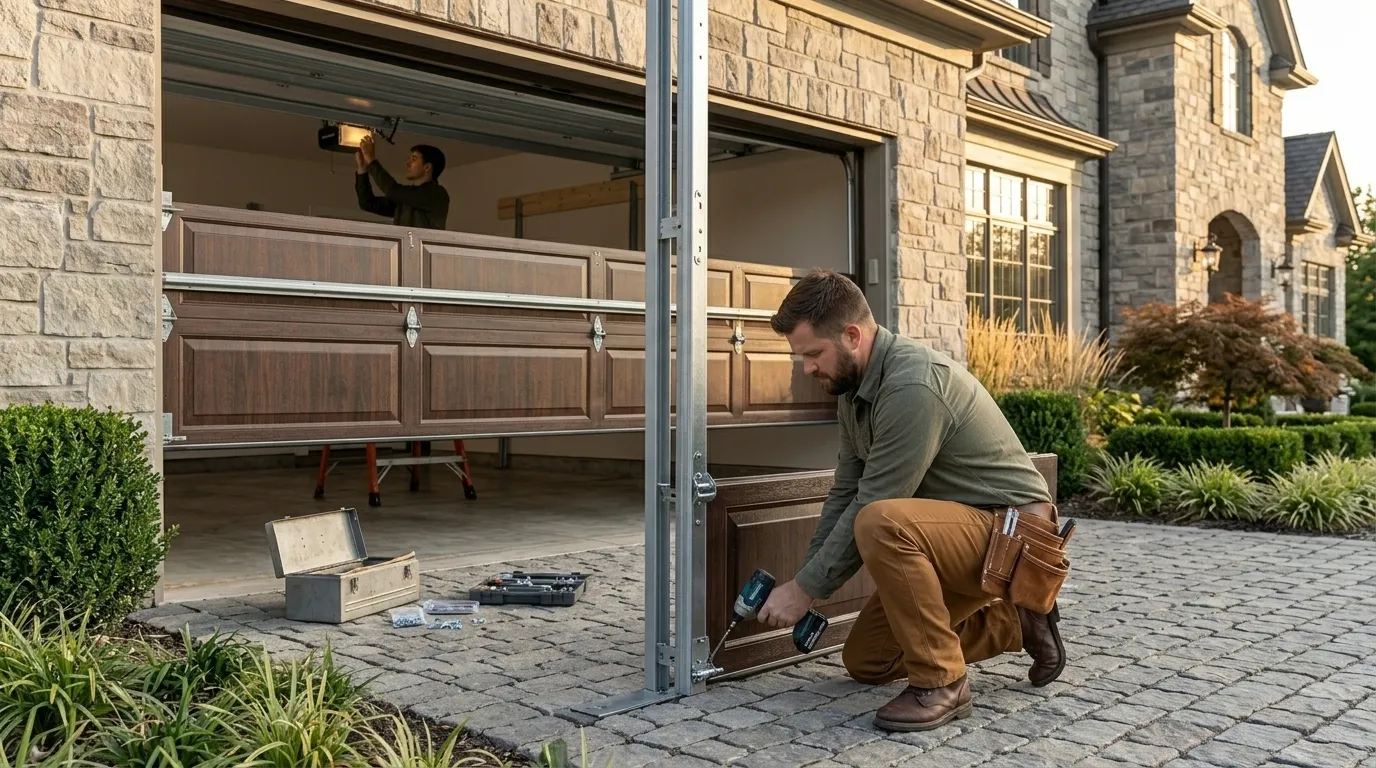
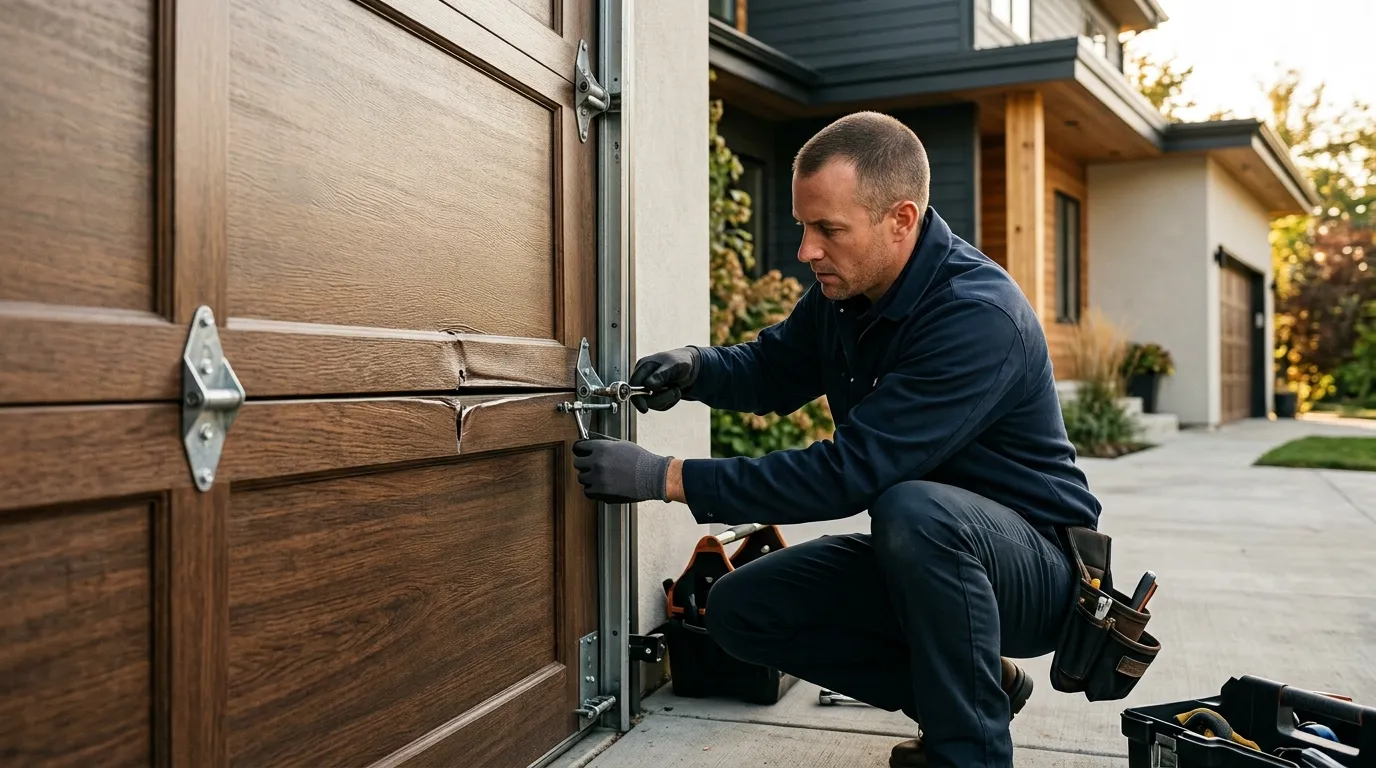
Most panel calls start with a dent - a car bumper, a bike, a trailer hitch backing in wrong. That's the obvious one. The less obvious ones build slowly. Rust starts at the bottom panel edge first, where snowmelt and runoff sit against the steel longest, and by the time it's visible from the driveway it's usually already eaten through the paint and into the metal underneath.
Warping shows up differently - a panel that looks straight in the morning but visibly bows by afternoon once the sun hits it, especially on doors that get direct afternoon exposure. That's the freeze-thaw flex talking, and it tends to hit older panels harder because the steel's been through more cycles.
The other sign is a mismatch after a DIY patch - a panel that's a slightly different shade of white or brown than the rest of the door because someone touched it up with the wrong paint, or a section that doesn't sit flush because a replacement panel from a different production run doesn't quite match the original profile. Any of these is worth a look before the door starts binding on the track.