How Long You Are Without the Door
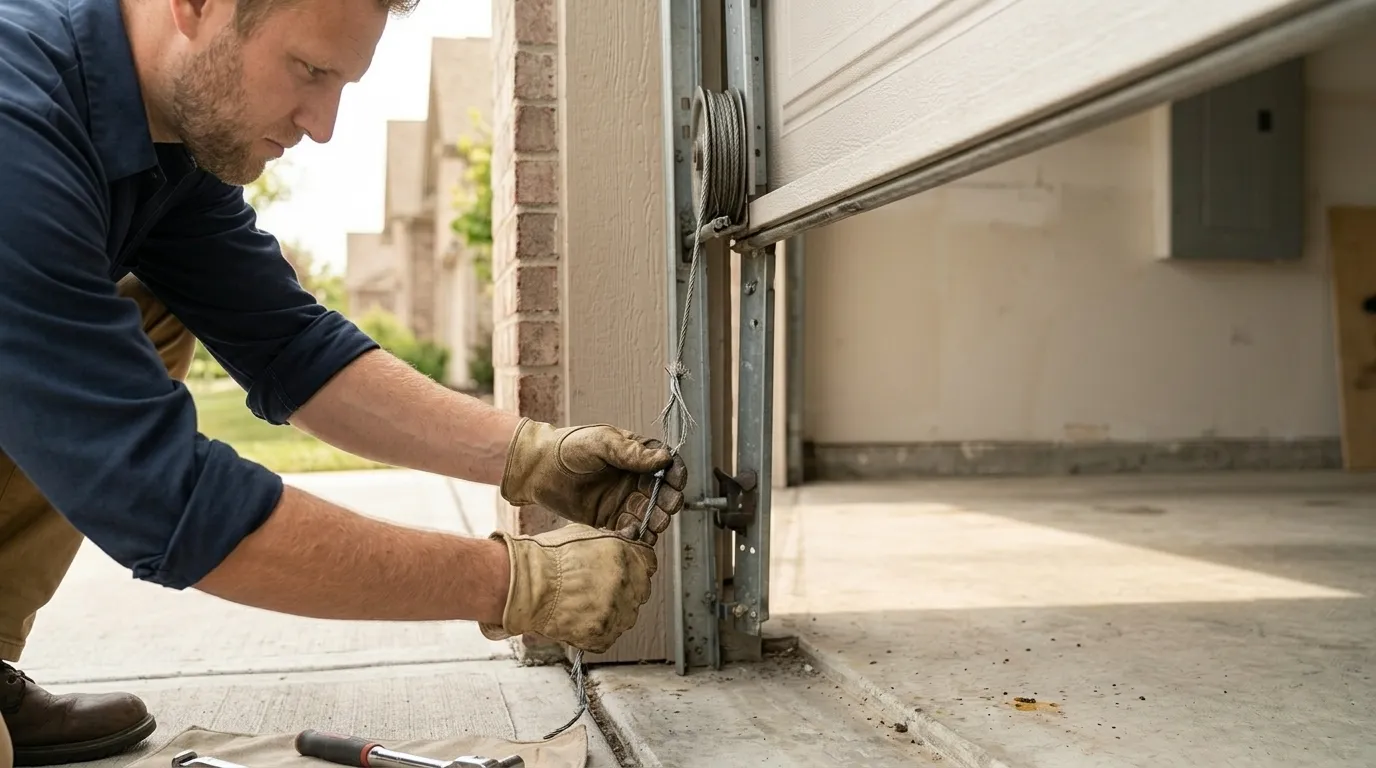
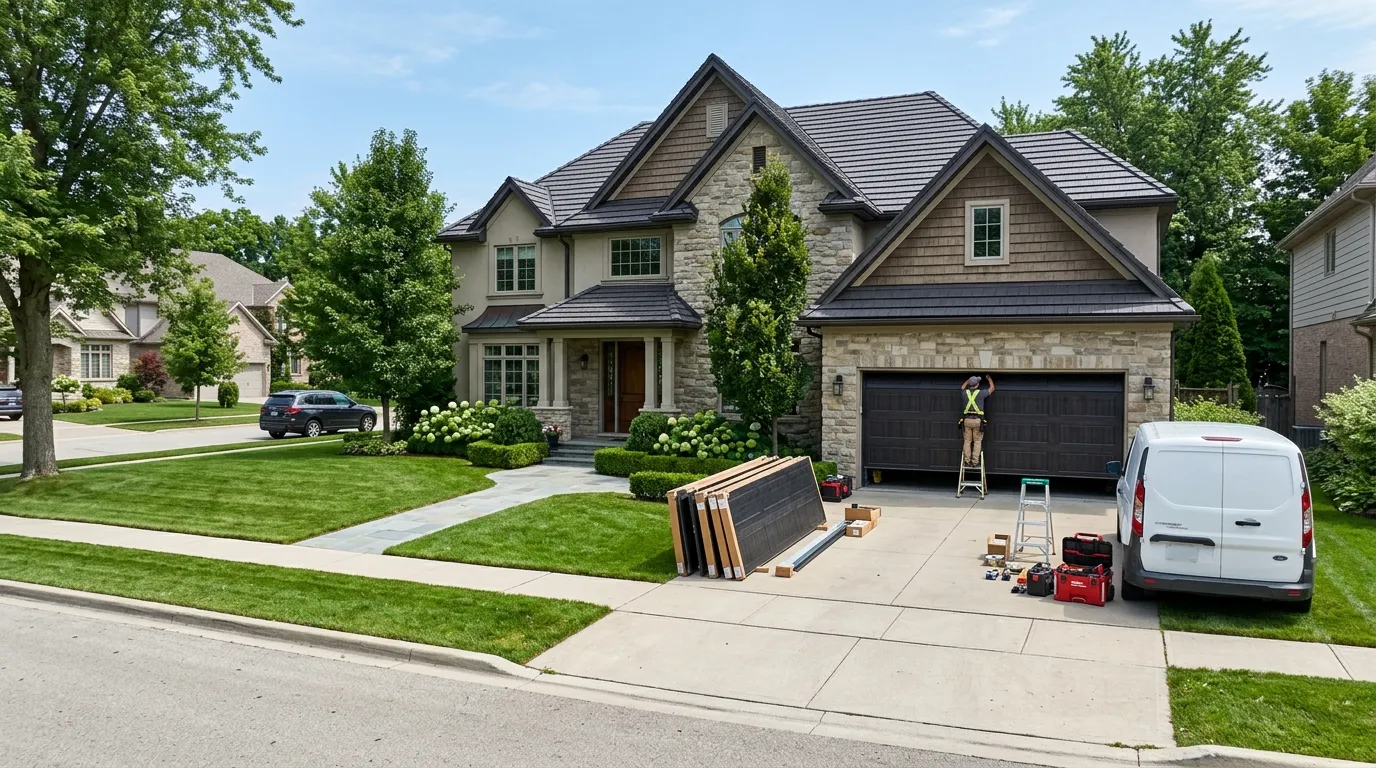
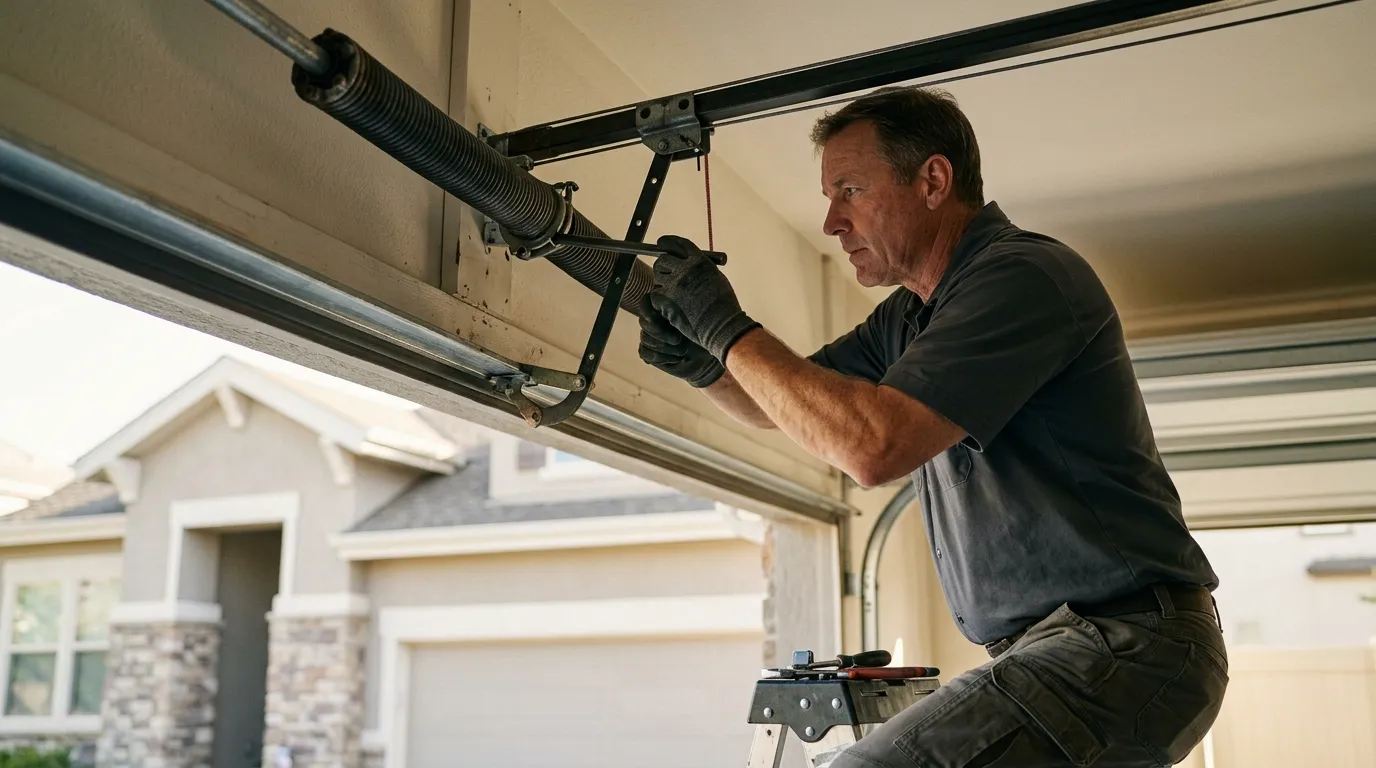
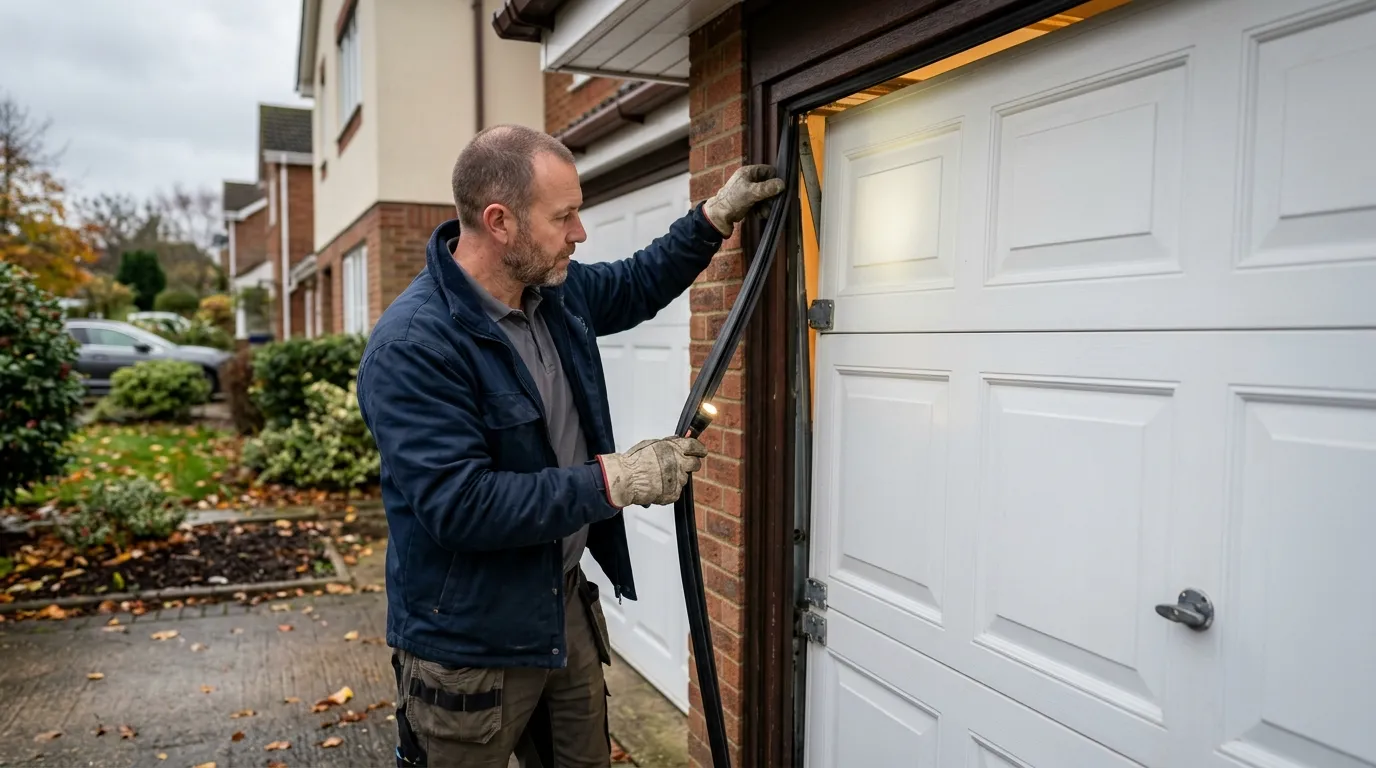
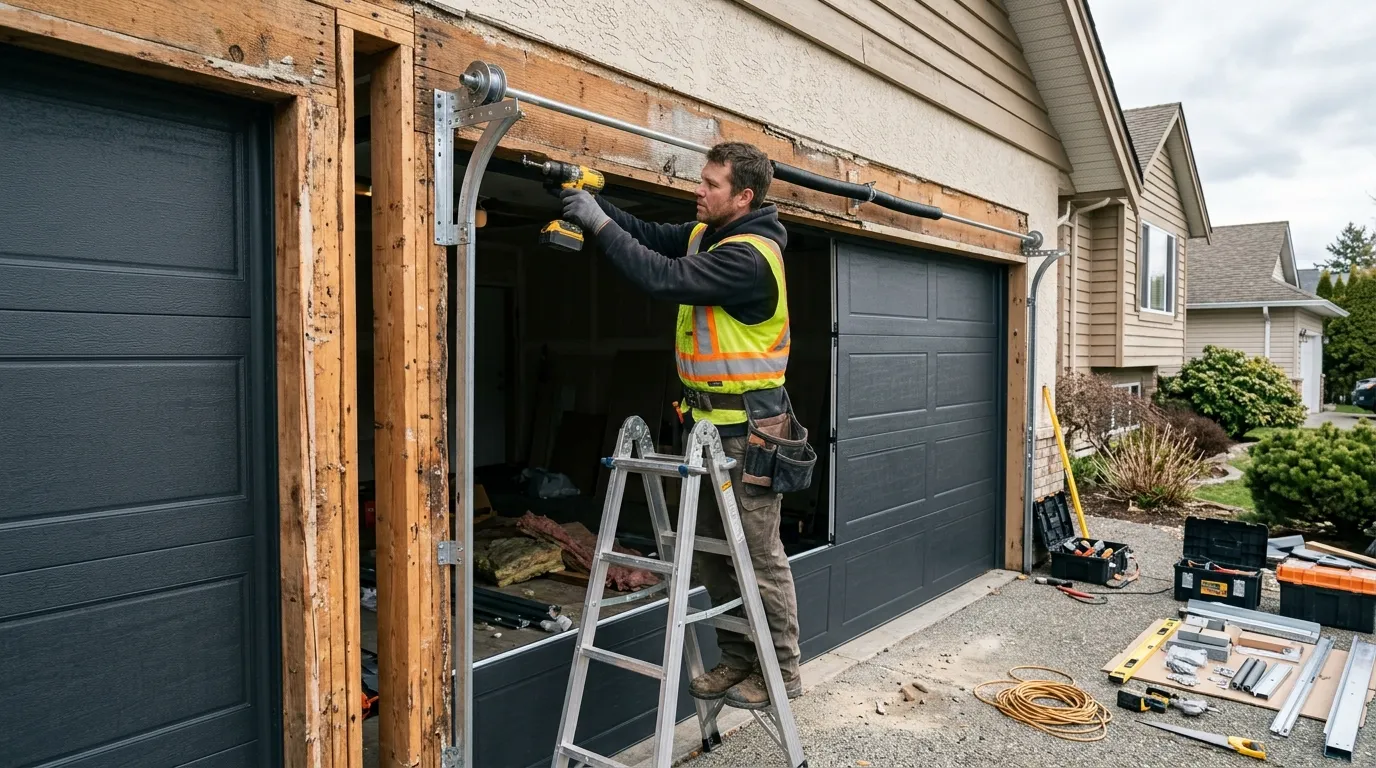
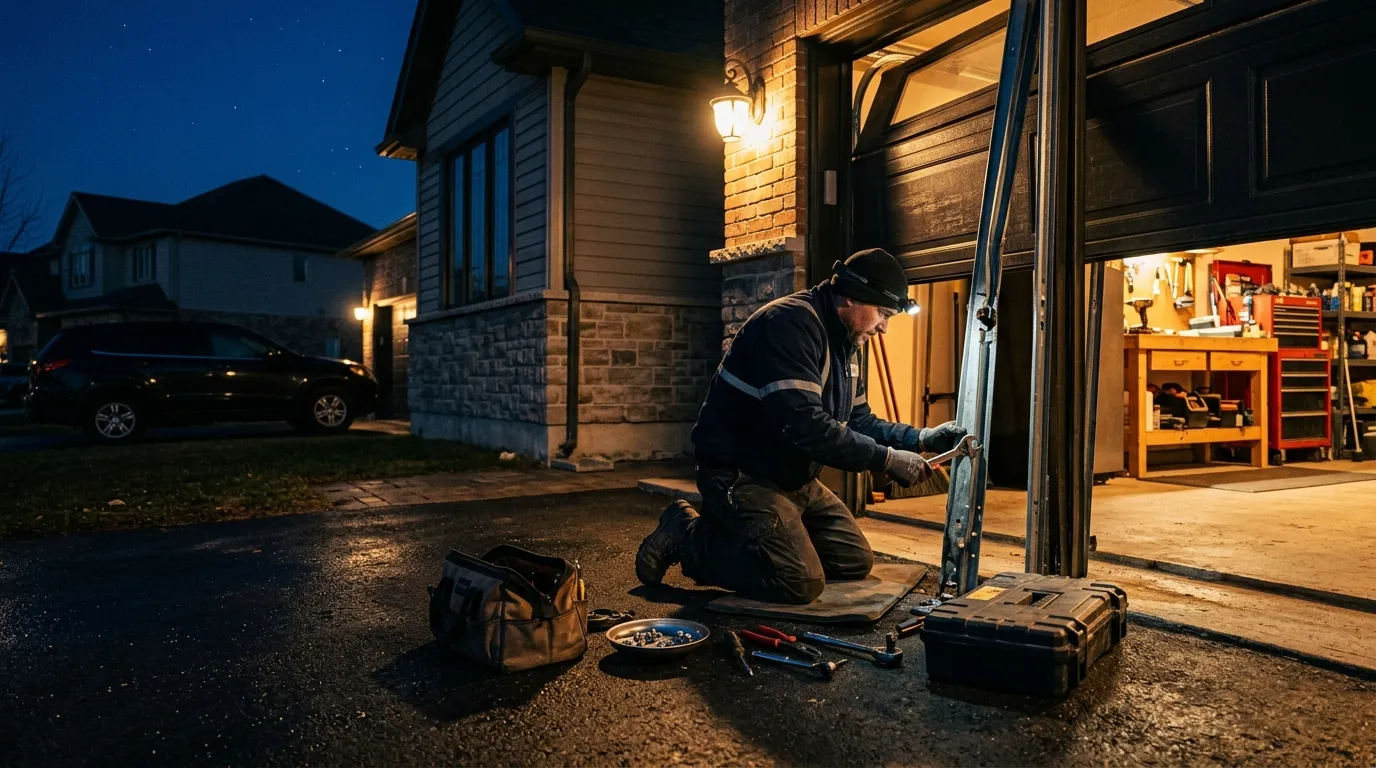
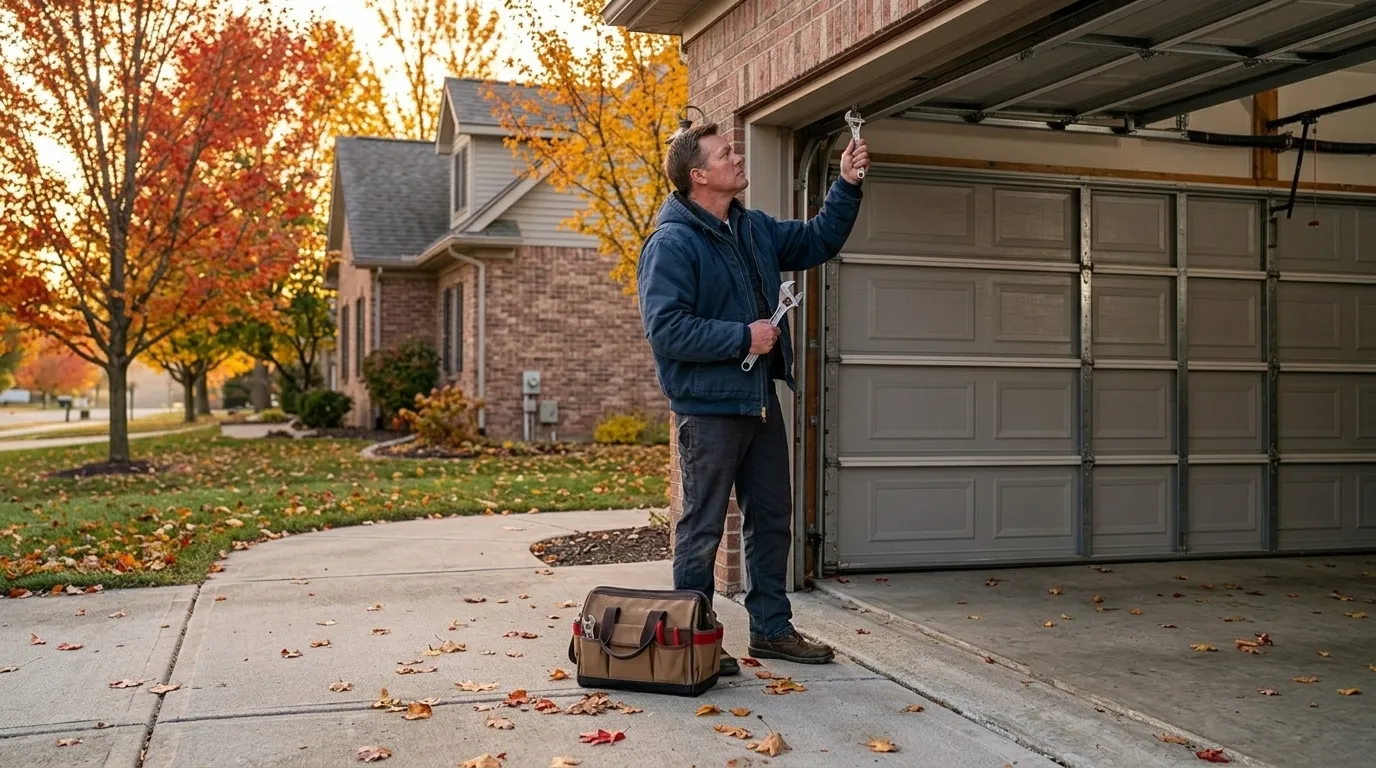
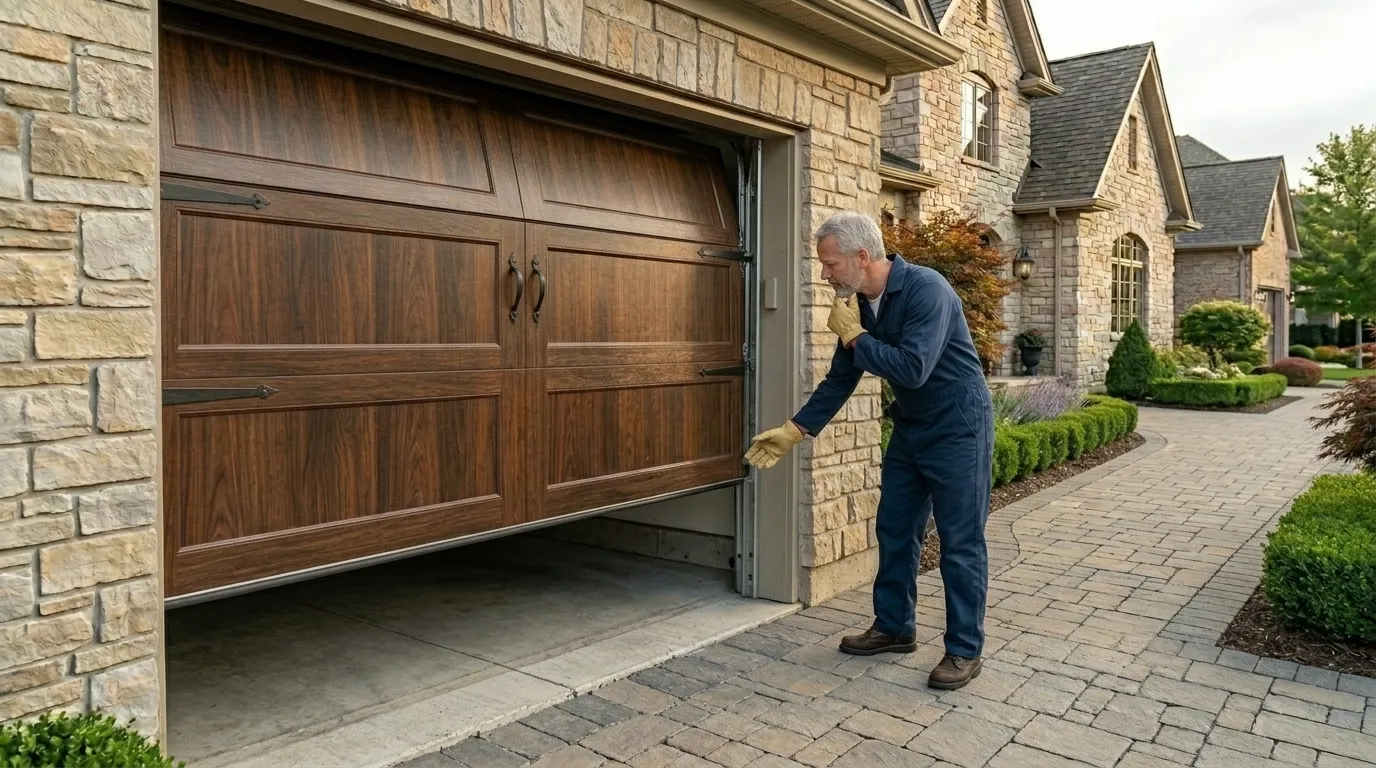
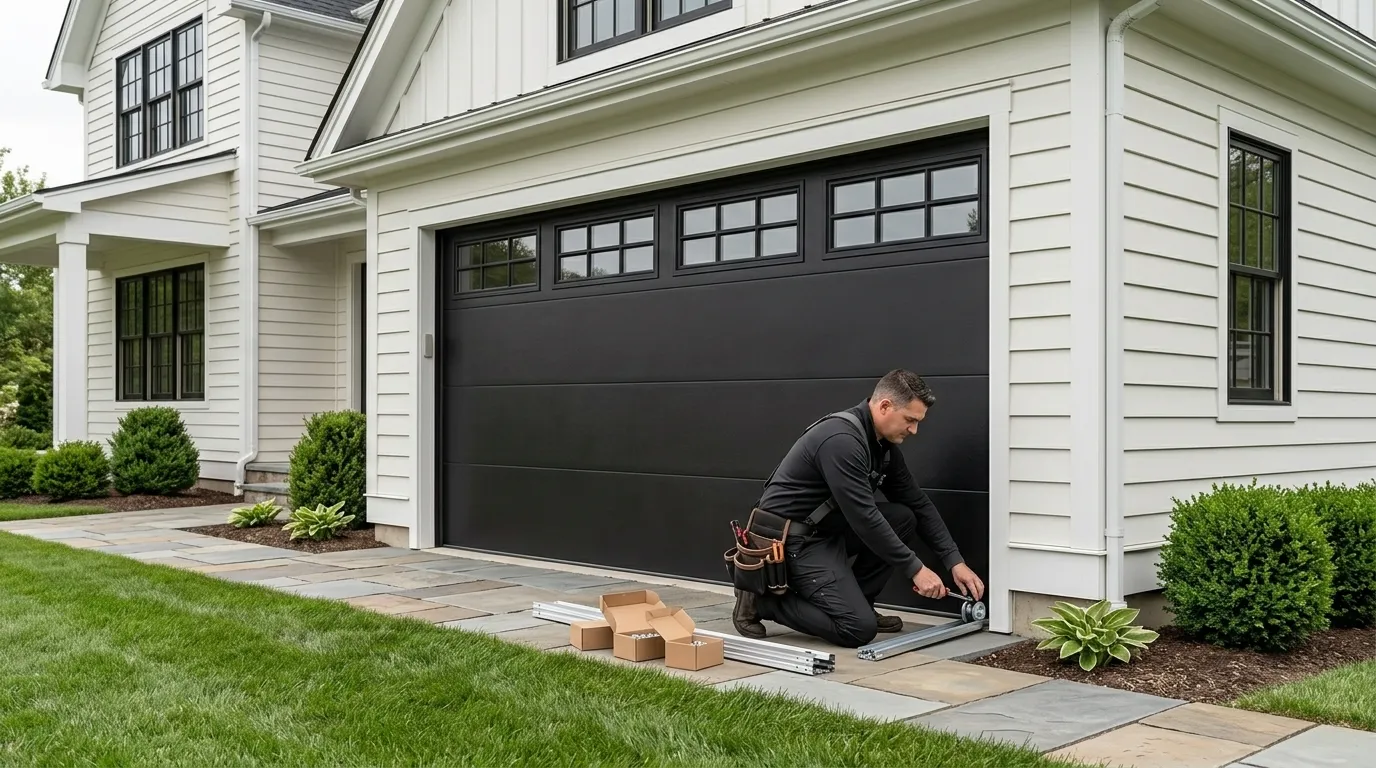
Most homes in Verdi went up around 1987, which means the garage door is almost always a steel sectional door, 16 feet wide for a two-car bay, hung on extension or torsion springs with a pair of galvanized lift cables running down each side to the bottom bracket. Those cables are thin - about 1/8 inch - and they're the part that takes the wear every time the door cycles. When one frays or snaps, the door usually won't move at all, or it drops crooked and jams half-open with one side higher than the other.\n\nWe travel from Reno, about seven miles east, to reach Verdi. We don't keep a branch or a truck stationed out here, so the honest answer on timing is that it depends on the day's schedule out of Reno, not on anything local. Call and we'll tell you where you land. In the meantime, don't force the door up or down by hand - a cable under tension that's already partly failed can whip when it lets go.
Why It Happens Here
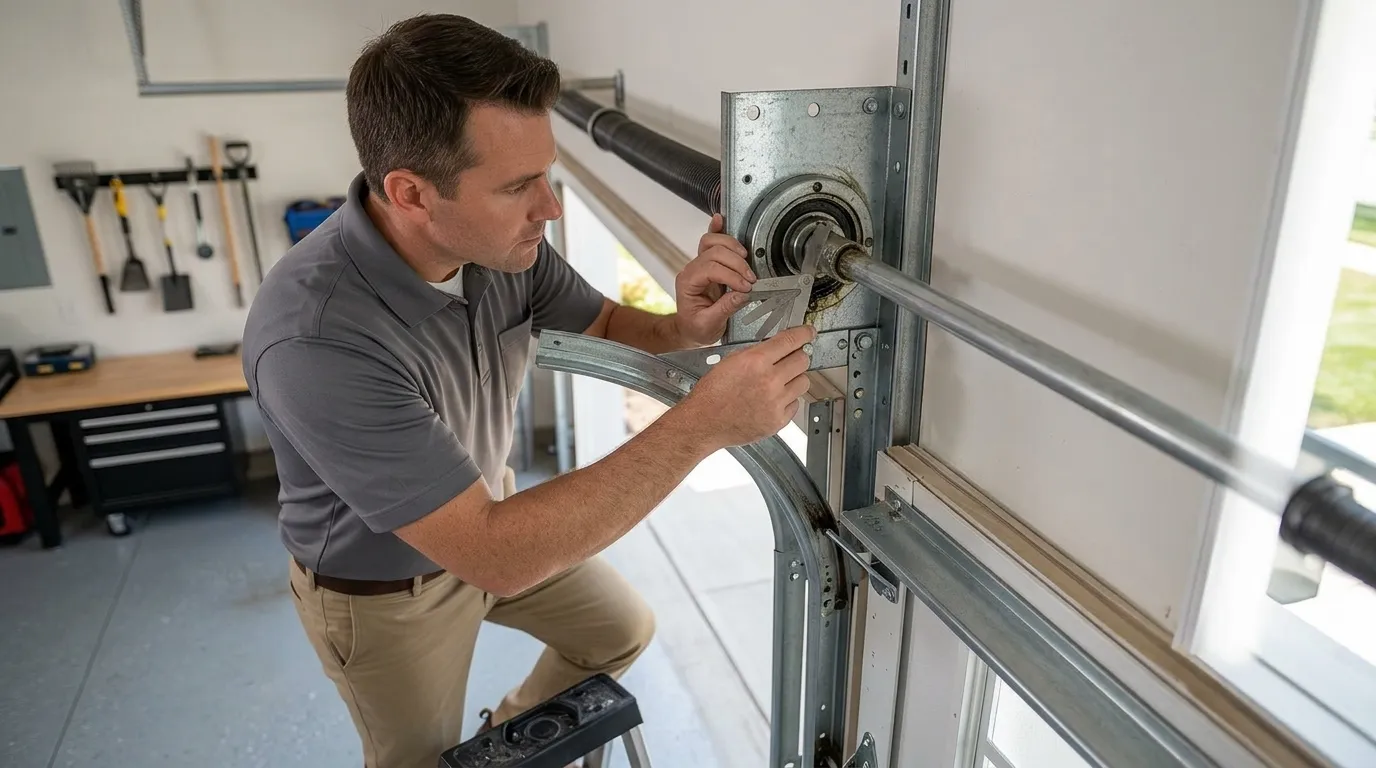
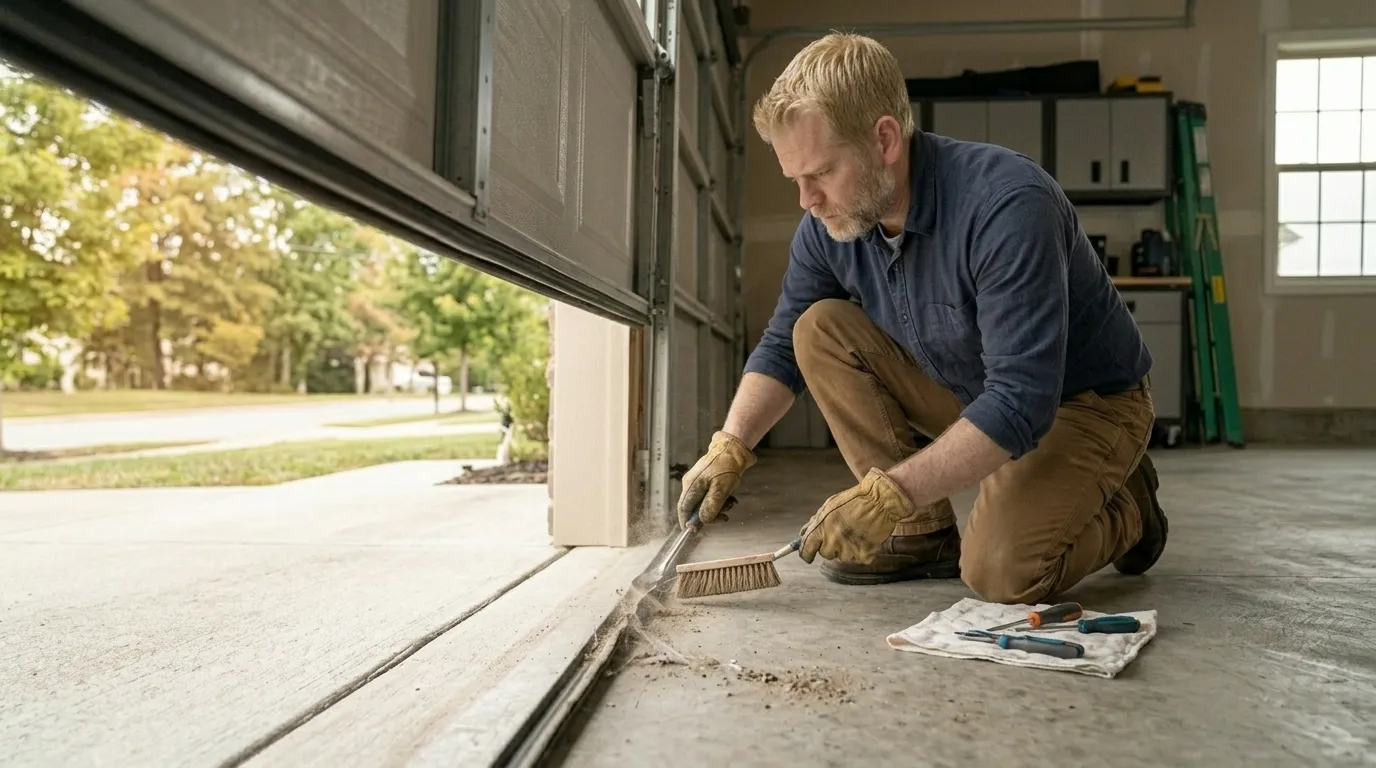
With roughly 553 households in Verdi, most of the housing stock sitting close to that 1987 build date, the doors and their original hardware are getting to the age where galvanized cable starts to show rust at the drum end, even under the zinc coating. Add a Reno-area winter - the cold band here runs severe, with hard freezes that make steel cable brittle and stiffen the grease in the drum - and a cable that's spent three decades flexing through hot summers and cold nights is due.\n\nThe other common cause is a door that's been run without adjustment for years. As a torsion spring loses tension slowly over time, the cable takes more of the load on each cycle than it was built for, and it wears faster than it would on a properly balanced door. We see this pattern often enough on doors from this era that it's not a coincidence - it's what happens to steel cable and 1980s spring hardware left alone for 35 years.
Booking a Visit
Tell us it's a cable when you call, not just \