What It Costs
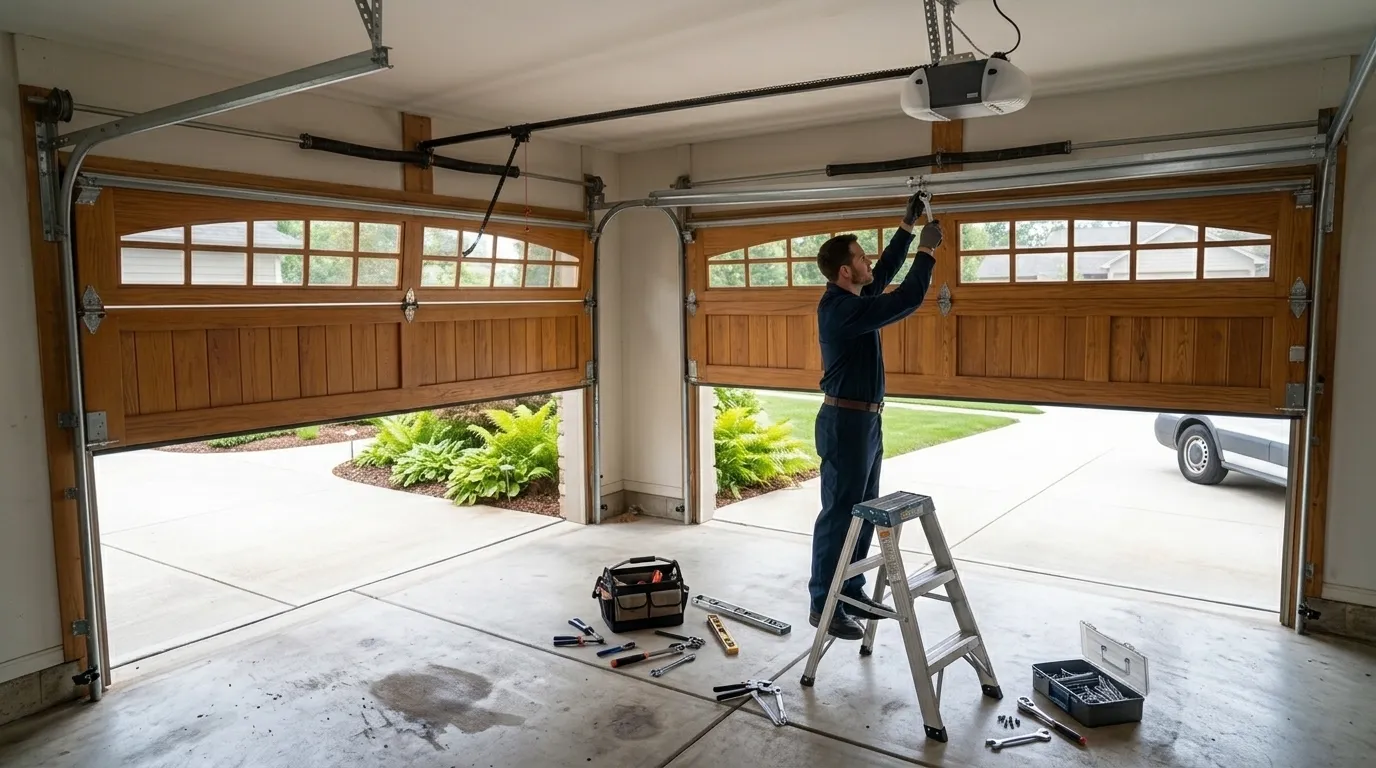
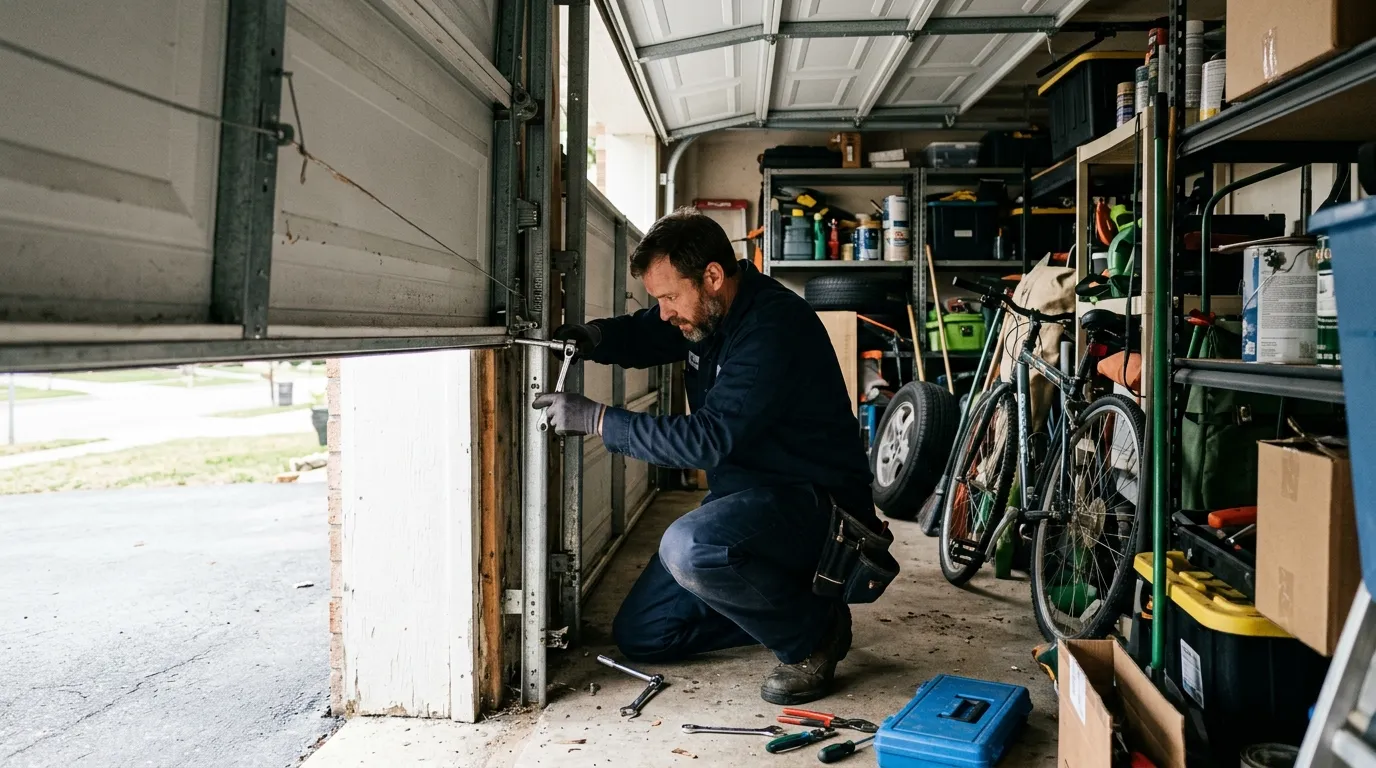
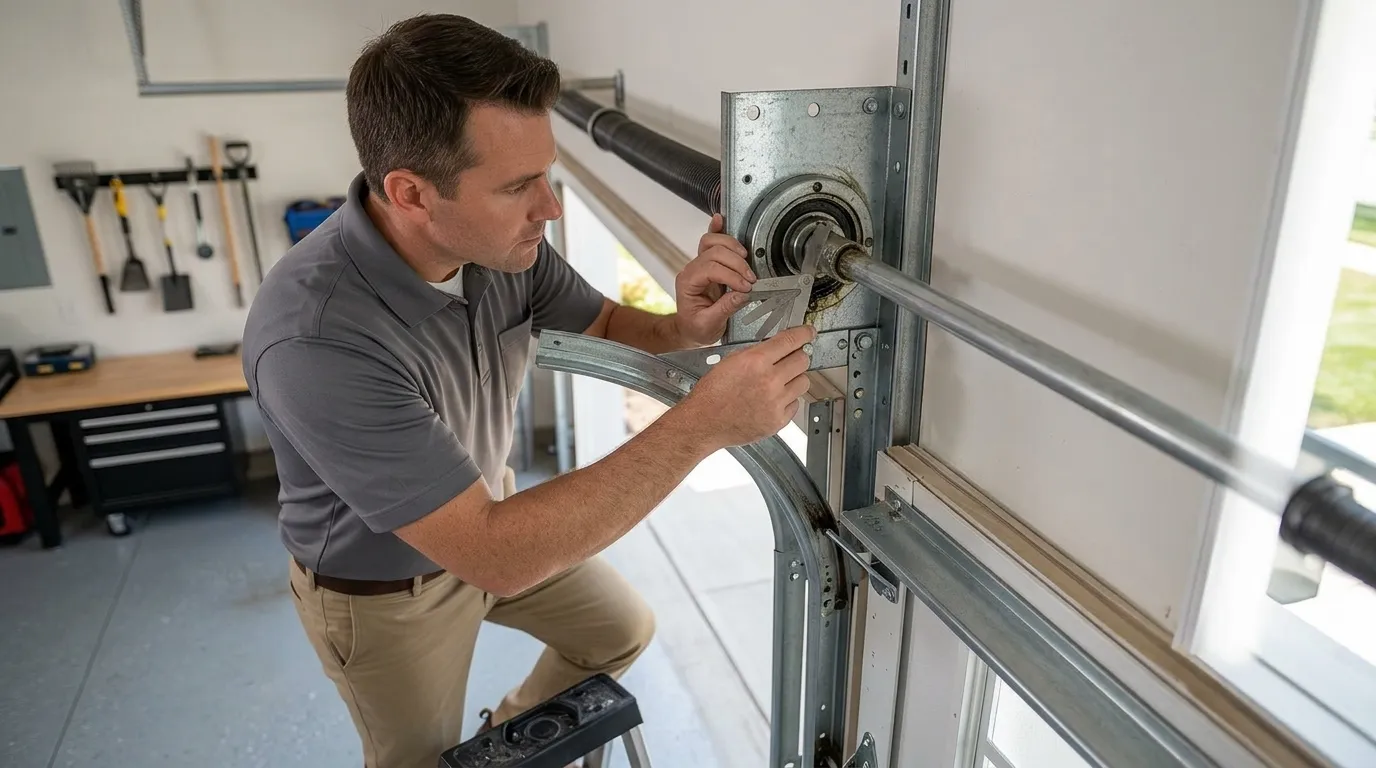
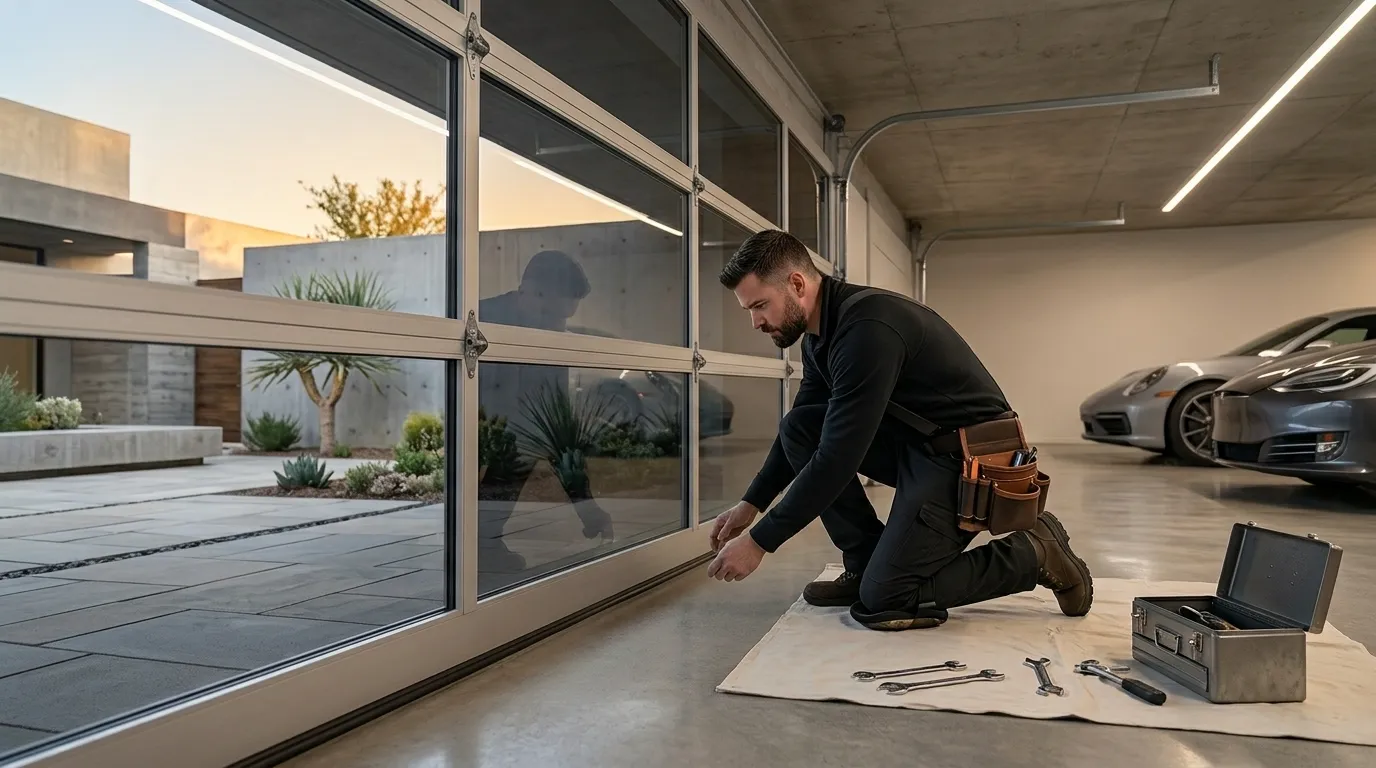
Spanish Springs sits about 12 miles from our shop in Reno, and that drive is part of what you're paying for on a maintenance call, since we don't keep a branch out here. The doors themselves are the other part of the math. With a median build year around 2001, most garages in Spanish Springs went up with factory steel sectional doors on double-car openings, 16 feet wide, running on standard extension or torsion springs sized for a heavier insulated panel than the older single doors you'd find on 1980s stock elsewhere in the valley. That's good news for maintenance cost, because the hardware is common, not obsolete. We're not hunting down parts for a door style nobody makes anymore. A maintenance visit on this kind of setup checks spring tension, track alignment, roller wear, and weatherstripping condition, and most of what we find on a 20-to-24-year-old steel door is wear, not failure. We won't quote a number here without seeing the door, but the age and design of a typical Spanish Springs door keeps the job in the routine-service range rather than a parts-replacement job.
How Long You Are Without the Door
Because we're traveling from Reno, the fastest thing you can do to keep this simple is confirm the door's symptom before we're on site - grinding, sagging on one side, or slow opener response are all things we can plan the visit around ahead of time. Routine maintenance on a steel sectional door of this era doesn't take the door out of service; you can still park and leave while we work through spring, track, and roller checks. The exception is if we find a cracked spring or a bent track section during the visit, which on a 20-plus-year-old door isn't rare. In that case the door stays closed for the rest of that visit, and we'll tell you on the spot whether the part is something we carry on the truck or something that needs a return trip.
Can You Do This Yourself
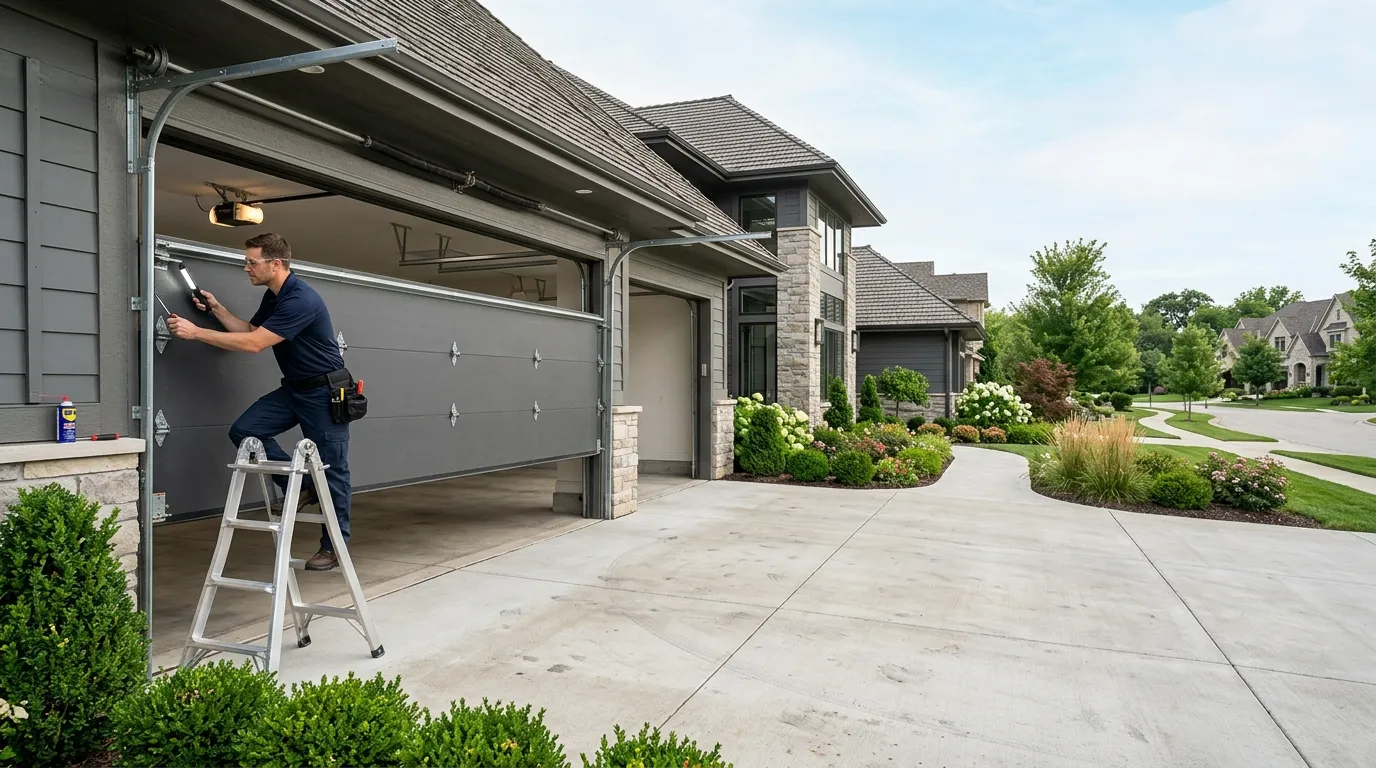
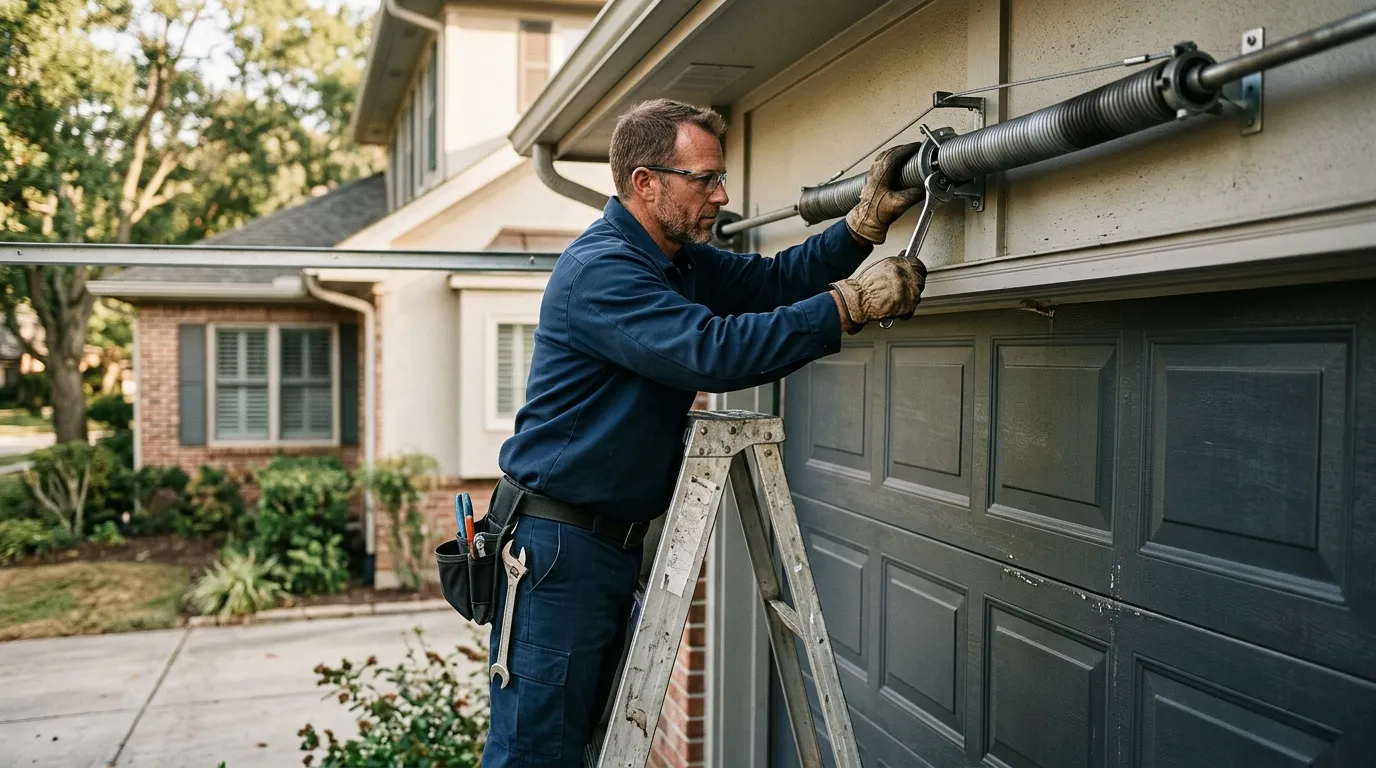
Some of it, yes. Wiping down tracks, checking that the bottom seal still makes contact with the slab, and listening for new noises from the opener are all things a homeowner can do between our visits. What you shouldn't touch is the torsion spring - on a double-car steel door, that spring is wound under enough tension to break a wrist or worse if it lets go while you're adjusting it. We also don't recommend homeowners rewire opener sensors themselves; misaligned safety sensors on a door this size are a liability we see more than we'd like. If your door is original to a house built in 2001, and it's still on its factory opener, that opener is well past a normal service life span, and no amount of home maintenance changes that math - at some point replacement is the honest answer, not another repair.