What It Costs
Spanish Springs is about 12 miles out from our Reno shop, and that drive is part of why we ask a few questions before we quote a number over the phone. A dead opener in a house built in 2001 is a different job than the same complaint in a house from 1985 - newer openers here mostly use standard belt or chain drives with circuit boards that either take a diagnosis and a part swap, or don't. We don't carry a fixed price list because the actual cost depends on whether it's a logic board, a capacitor, a motor gear, or just a sensor knocked out of alignment. What we can tell you: this area's household incomes run higher than the Reno average ($121,250 versus $102,625 service-area-wide), and that shows up in the openers we see - more mid-range and premium units, fewer bargain-bin models that fail the same way twice. We price the job once we've looked at the unit, not before.
One honest limit: if a board is discontinued and the manufacturer doesn't stock it anymore, we tell you that on-site rather than quoting a repair we can't actually finish. Sometimes replacement is the cheaper option once you count the wait.
How Long You Are Without the Door
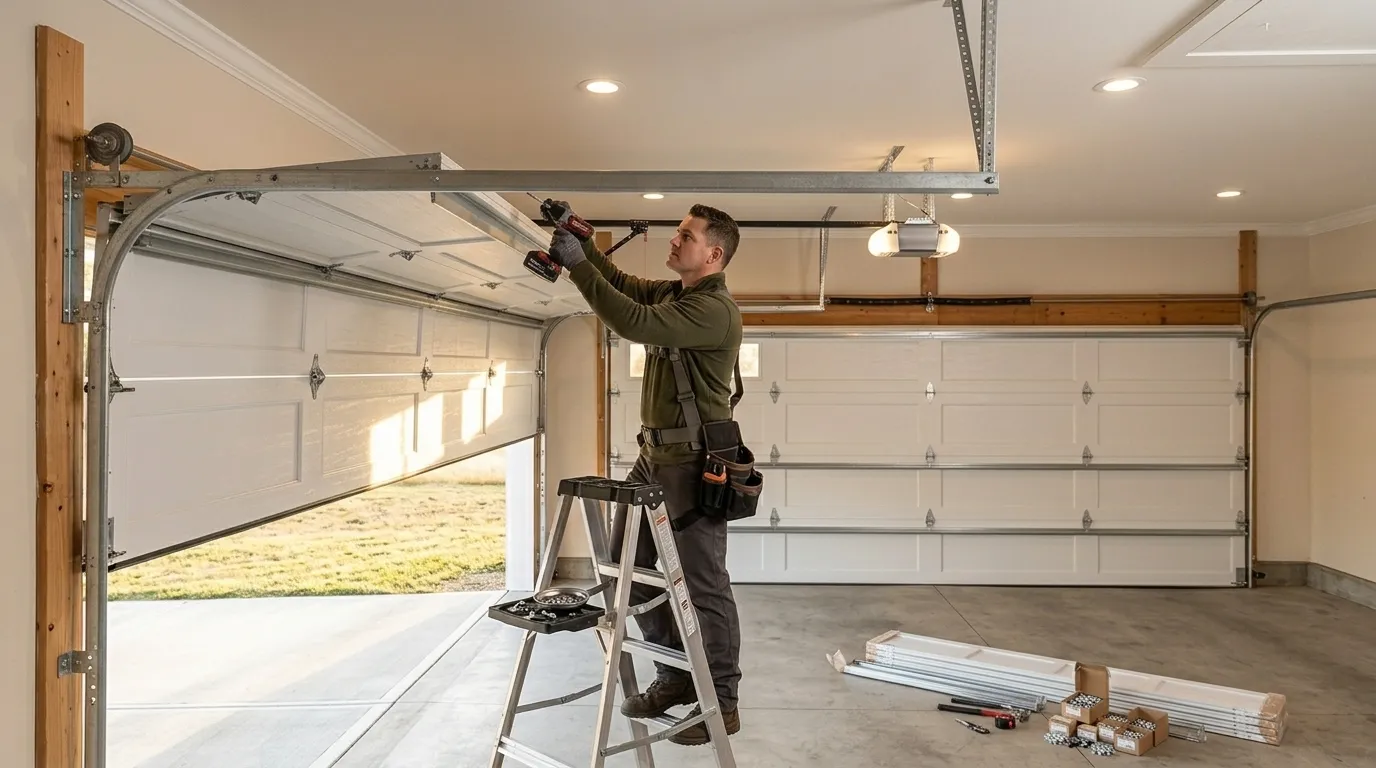
Winters here sit in the same cold-severe climate band as the rest of the Reno service area, which matters for an opener call in a way that's easy to miss: cold makes plastic gears brittle and slows lubricant in an aging drive, so a marginal opener that's been limping along tends to fail outright on a cold morning, not a mild afternoon. Once we're on-site the repair itself - board swap, sensor realignment, capacitor replacement - usually runs within a single visit. The bigger variable is the part. If it's in the truck, you're back in business that day. If it's a board that needs to be sourced, you're waiting on that part to land, and in cold weather that's a longer stretch to be manually lifting a door.
We don't sugarcoat this part: if your opener is old enough that this is its second or third failure, we'll say so, and we'll tell you when a new unit costs less over two years than another round of parts and labor.
Can You Do This Yourself
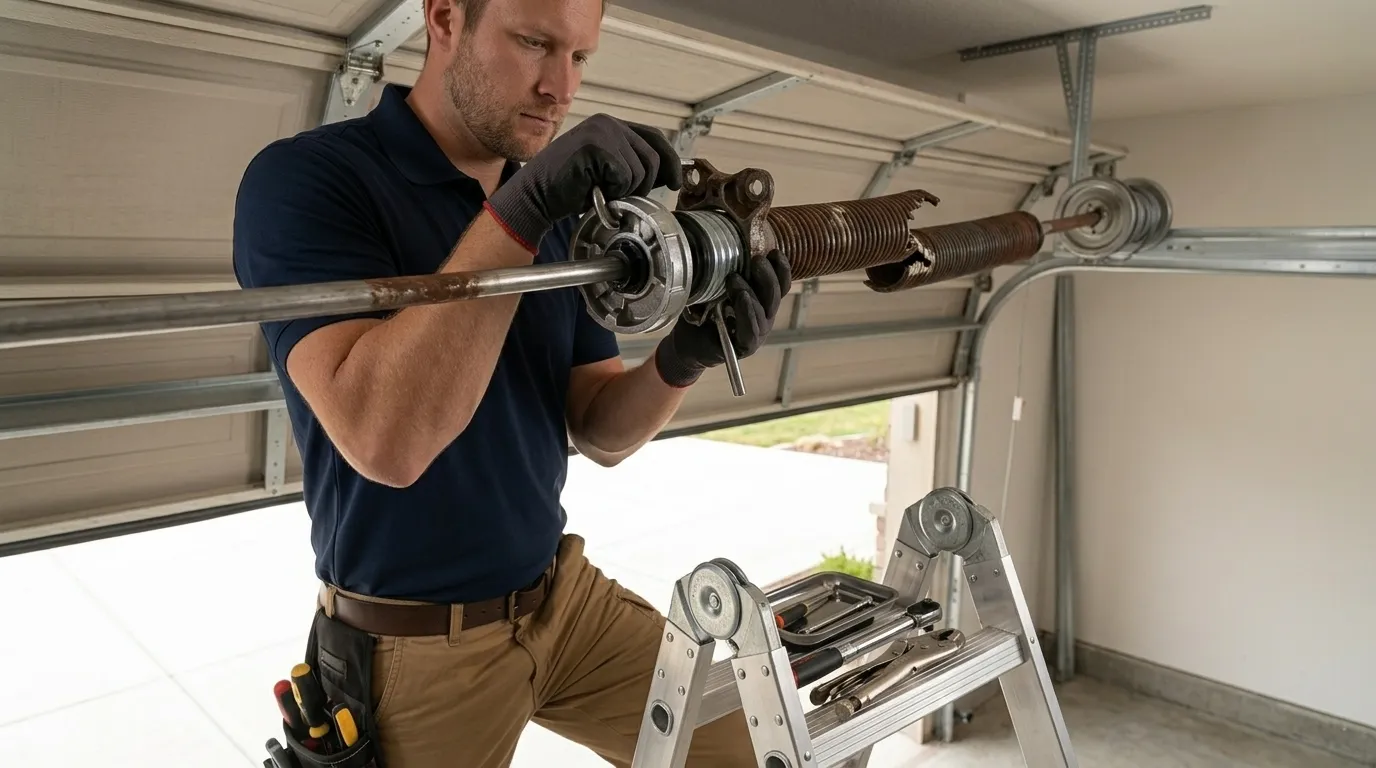
Some of this is genuinely DIY. Reprogramming a remote, replacing a battery in a wall control, cleaning and realigning a photo-eye sensor that's throwing a fault code - a homeowner with a screwdriver and the manual can handle those. Where we'd stop you: anything involving the drive gear, the logic board, or the motor itself. Openers carry a spring-loaded emergency release and a motor under enough torque to hurt a hand that's not expecting it, and a board wired wrong can take out more than the part you were replacing.
Given that most openers in this area are newer units still under some form of manufacturer support, it's also worth checking whether a repair is covered before you buy a part yourself - a self-installed fix can void that coverage in ways a professional repair doesn't. If you're not sure which side of that line your problem falls on, that's a reasonable thing to ask us on the phone before you start pulling anything apart.