Why It Happens Here
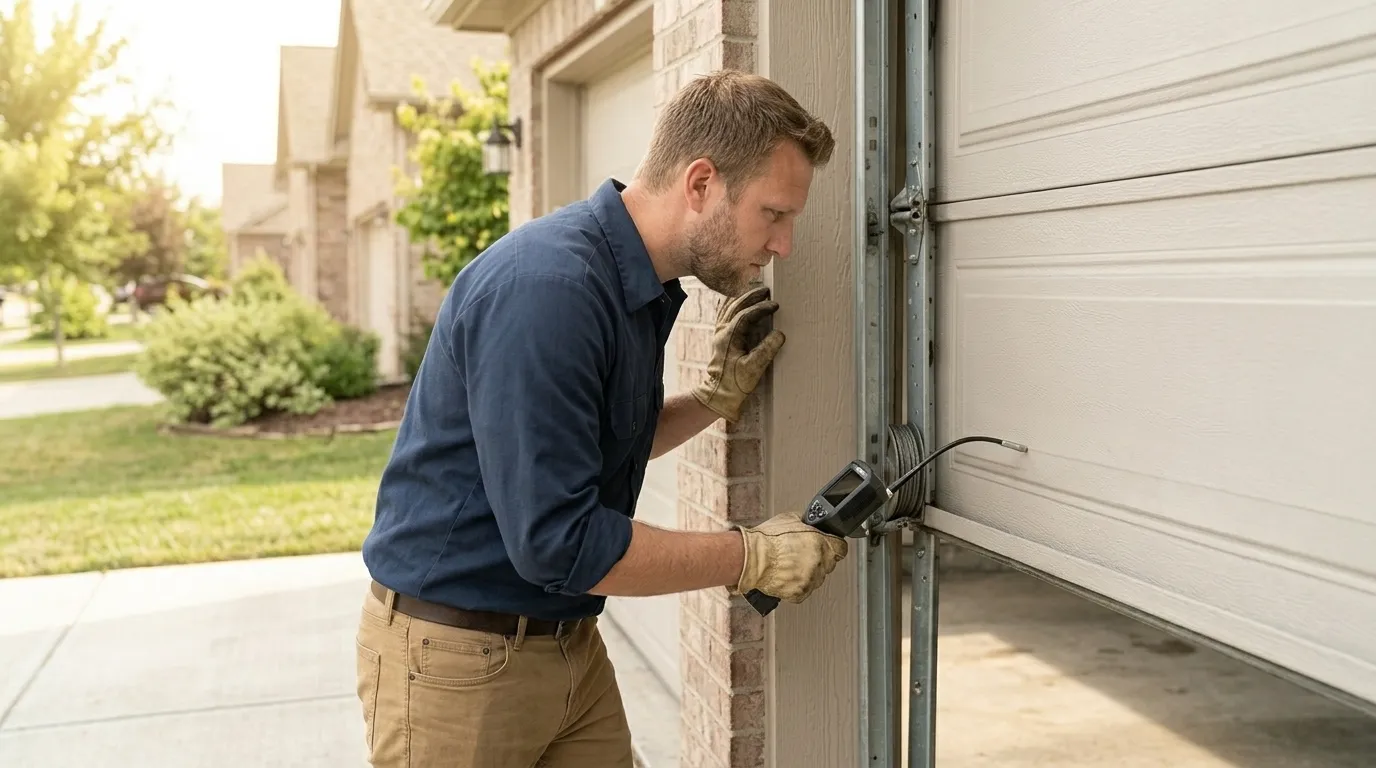
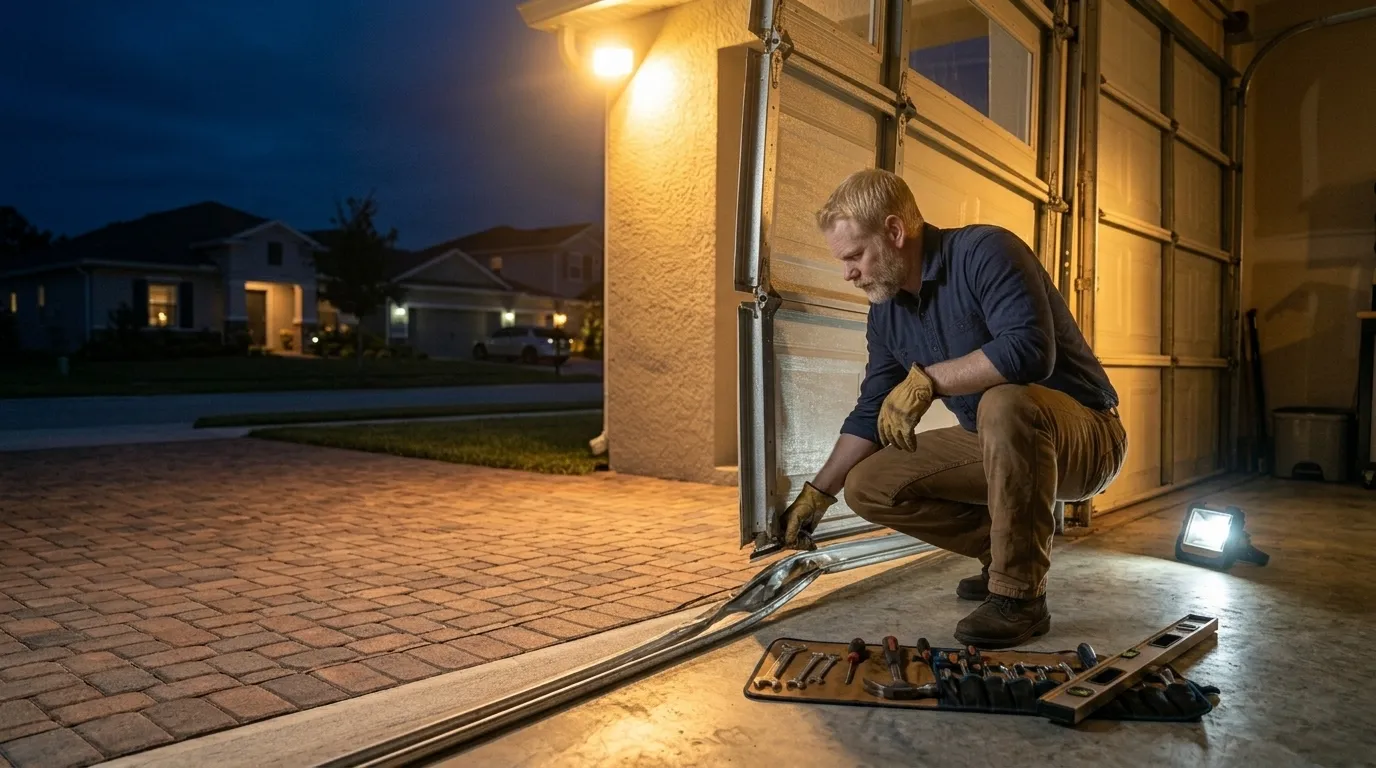
Sun Valley sits six miles out from our shop in Reno, which changes how a cable call actually runs. It's close enough that we don't pad the estimate for drive time, but far enough that we treat it as its own stop on the route rather than something we squeeze between two Reno jobs on the way past. That matters because a snapped cable isn't a five-minute fix - it's a full look at the drum, the winding cone, and whatever the last cable did to the track on its way down.
The bigger driver is the housing stock itself. The median year built in Sun Valley is 1989, and most of the doors we get called out for are original to that build, or a first replacement from a decade or two later. Galvanized aircraft cable has a service life, and on a door that old, the cable has usually outlasted at least one spring and one set of rollers already. When it finally lets go, it's rarely a surprise to anyone who's heard the door groan for the last few months - it's just the part nobody replaced.
Where This Job Goes Sideways
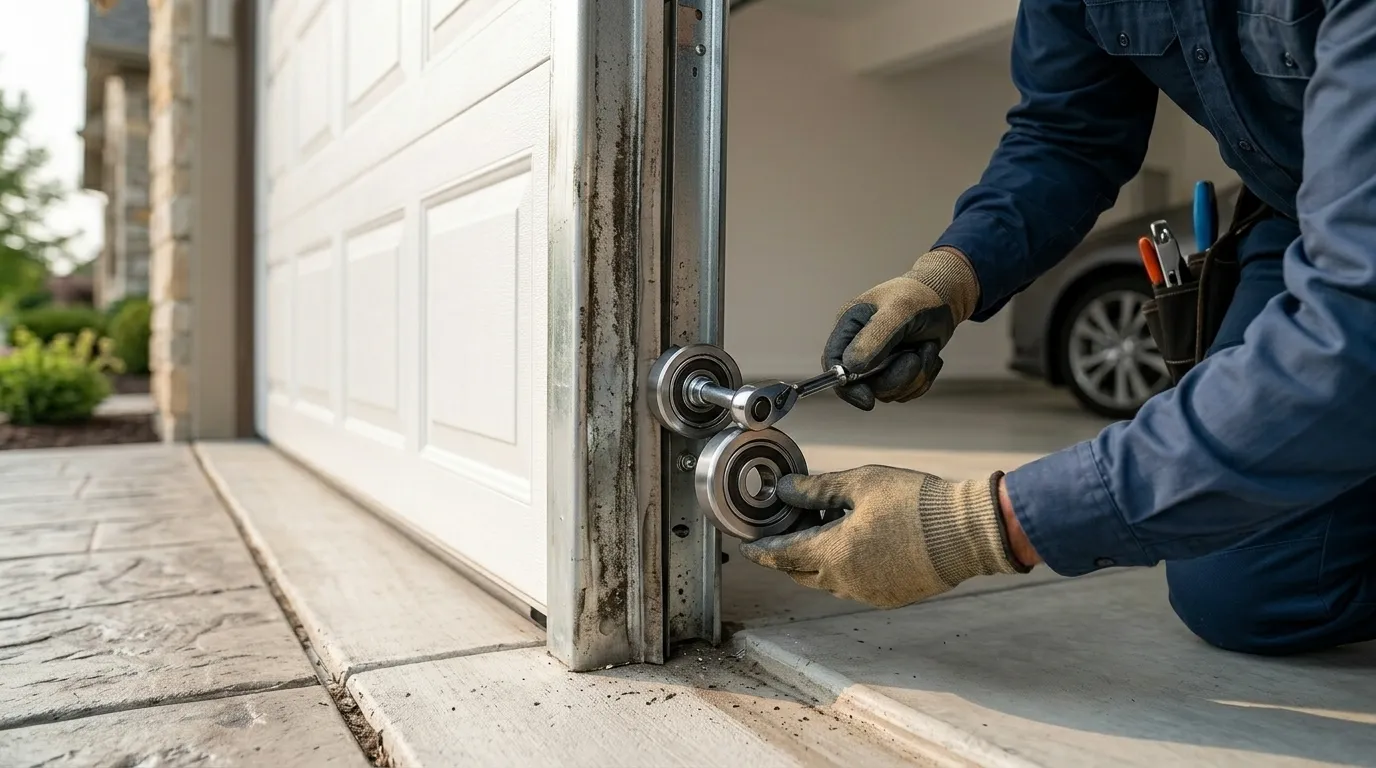
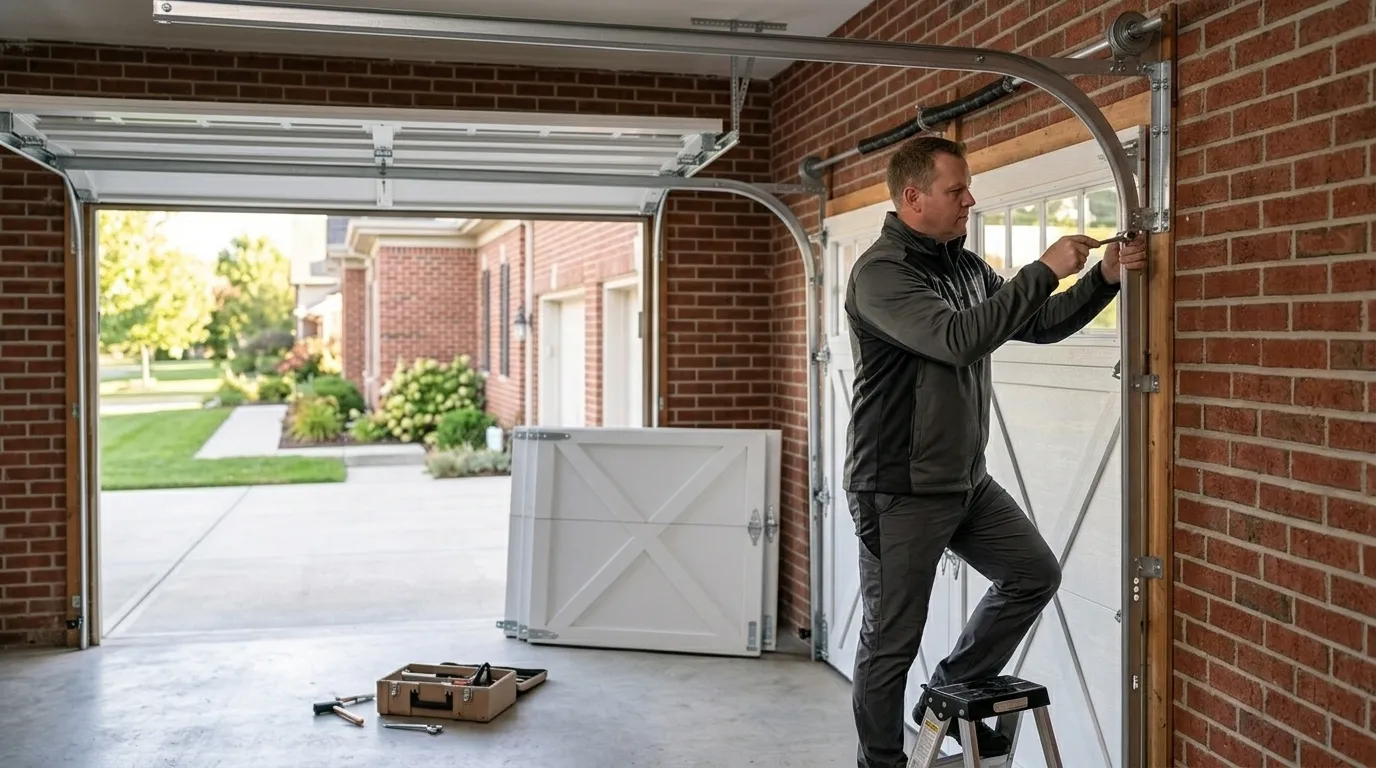
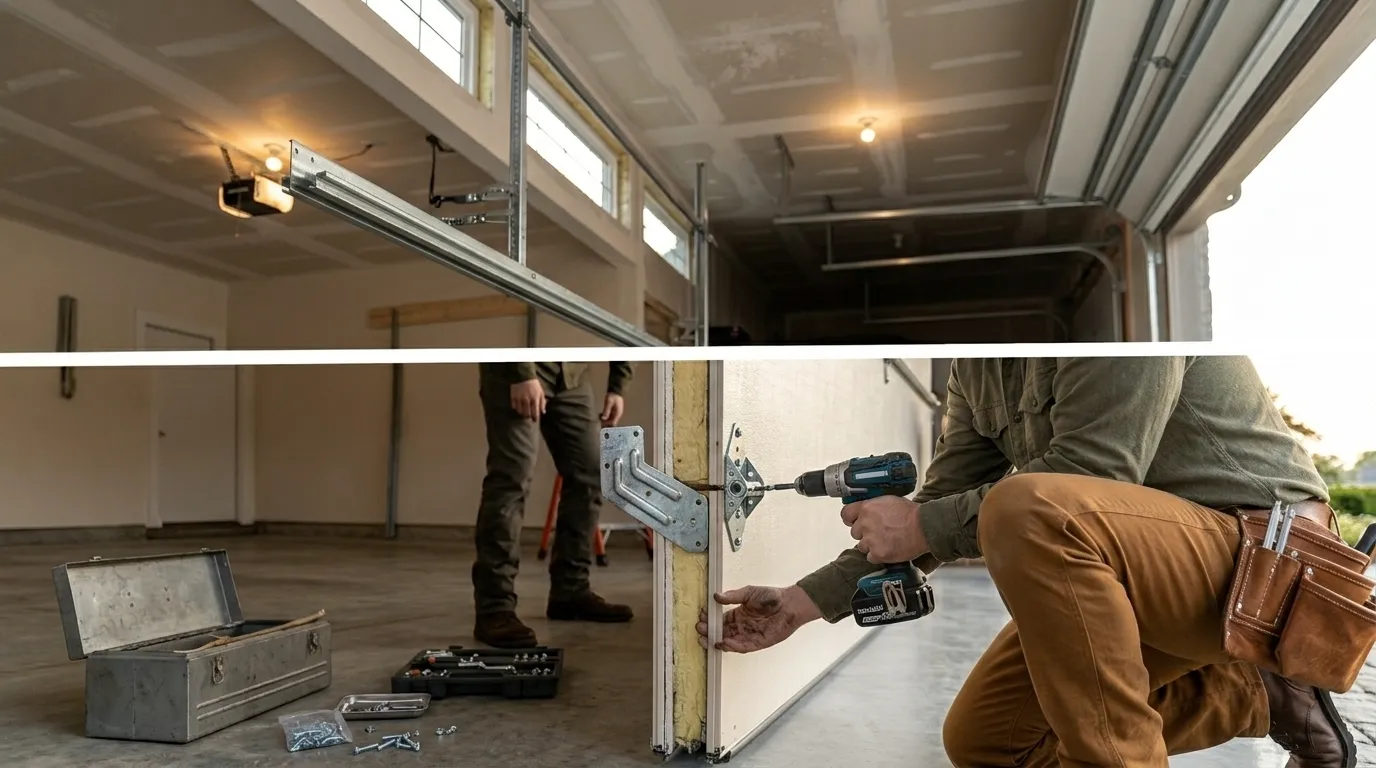
The straightforward version of this job is: cable's gone, drum's fine, we cut and wind a new cable to match the other side, done. The version that goes sideways is when the drum itself is worn from years of a cable riding in the wrong groove, or when the door was upgraded to a heavier insulated steel panel at some point without anyone re-rating the drums and springs for the new weight.
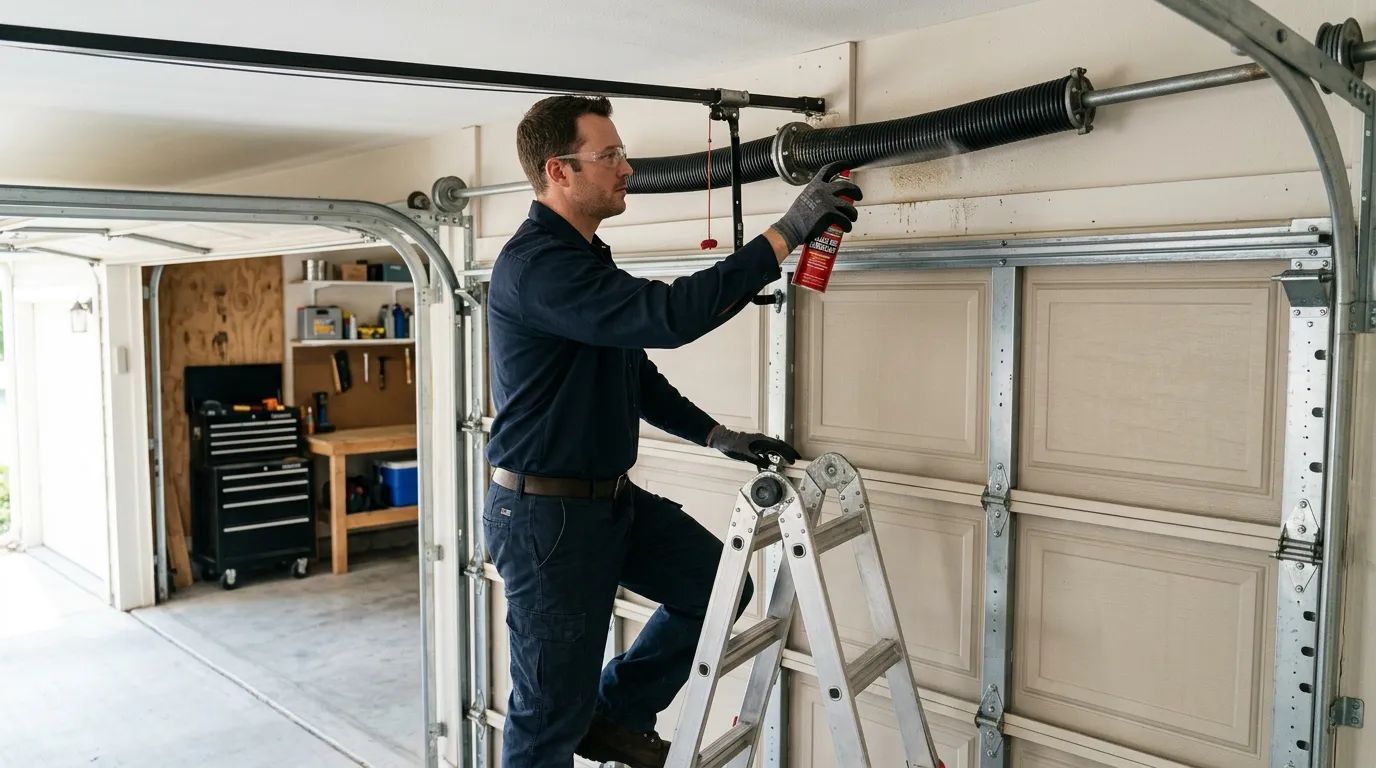
On a door from the late 1980s or 90s stock common out here, that mismatch is the single biggest reason a cable job turns into more than a cable job. We won't put a new cable on a chewed-up drum and call it fixed - it'll just fail again, usually within months. If the drum's worn, that gets replaced too, and if the spring tension doesn't match the door's actual weight, that gets flagged before we close it up. The honest limitation here: we don't guess on this. If the door needs more than a cable, we tell you before we cut anything, not after.
How Long You Are Without the Door
Most cable jobs on the doors we see in Sun Valley are a single visit - cut, wind, tension, test, done in one stop. The door is out of service from the moment the cable lets go until that visit happens, since a door running on one cable isn't safe to open and close on the opener.
What adds time is the drum-and-spring scenario above, or a door where the track's been bent from the drop. Parts for a straight cable swap are things we carry; a mismatched drum-to-door-weight fix sometimes means we're back with the right size drum rather than forcing a part that's close enough. We'd rather come back once with the right part than leave a fix that fails again in six months.
What It Costs
We're not going to put a number here that isn't grounded - cable repair pricing depends on whether it's a straight cable swap or a cable-plus-drum job, and whether the spring tension needs adjusting for a heavier door than the hardware was built for. What we can tell you is that in Sun Valley, where median household income runs $76,108, most of the calls we take are for the cable and drum alone rather than a full opener replacement - people fix what broke, not the whole system.
We'll give you the actual number after we've looked at the door, not before, because on a door built to 1980s or 90s spec, the drum condition changes the job more than the cable itself does.