Why It Happens Here
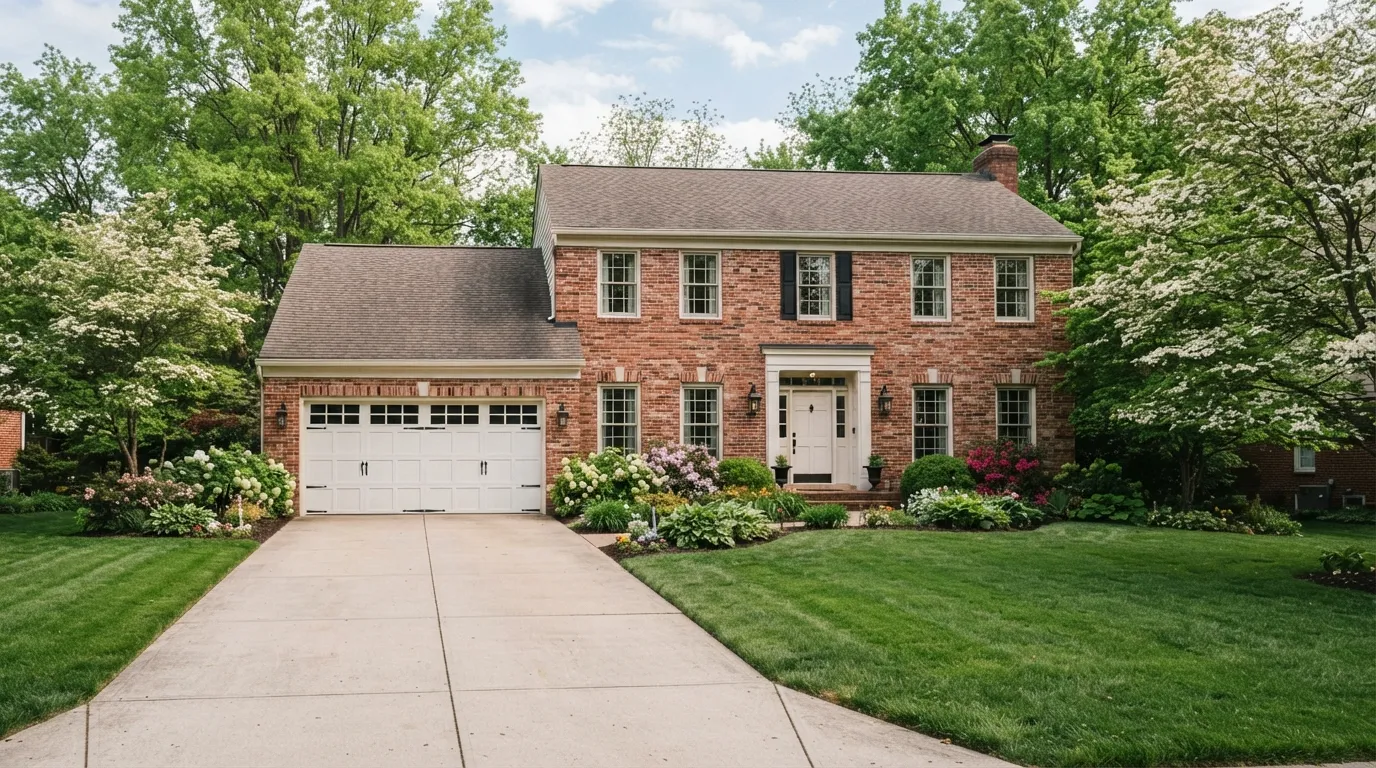
Sun Valley has about 6,941 households, which is a fraction of the roughly 18,039 across the whole service area. That size matters for the kind of maintenance calls that come out of here: it's not a mixed bag of eras and builders, it's a tighter cluster of homes going up around the same stretch of years, median 1989. When a neighborhood gets built out in one window, the garage doors and openers wear out in the same window too. We're not guessing at what's behind the panel when we pull up - the springs, the drive type, and the track spacing tend to match what we saw at the last house.
The area sits about six miles out from our Reno base, which is close enough that a maintenance visit isn't a special trip, but it's also its own place with its own housing stock, not a copy of Reno proper. Median household income here runs around $76,108, noticeably under the $102,625 median for the wider service area, and that shapes what kind of maintenance actually gets asked for - most owners want the door kept running, not replaced, for as long as it reasonably can be.
Where This Job Goes Sideways
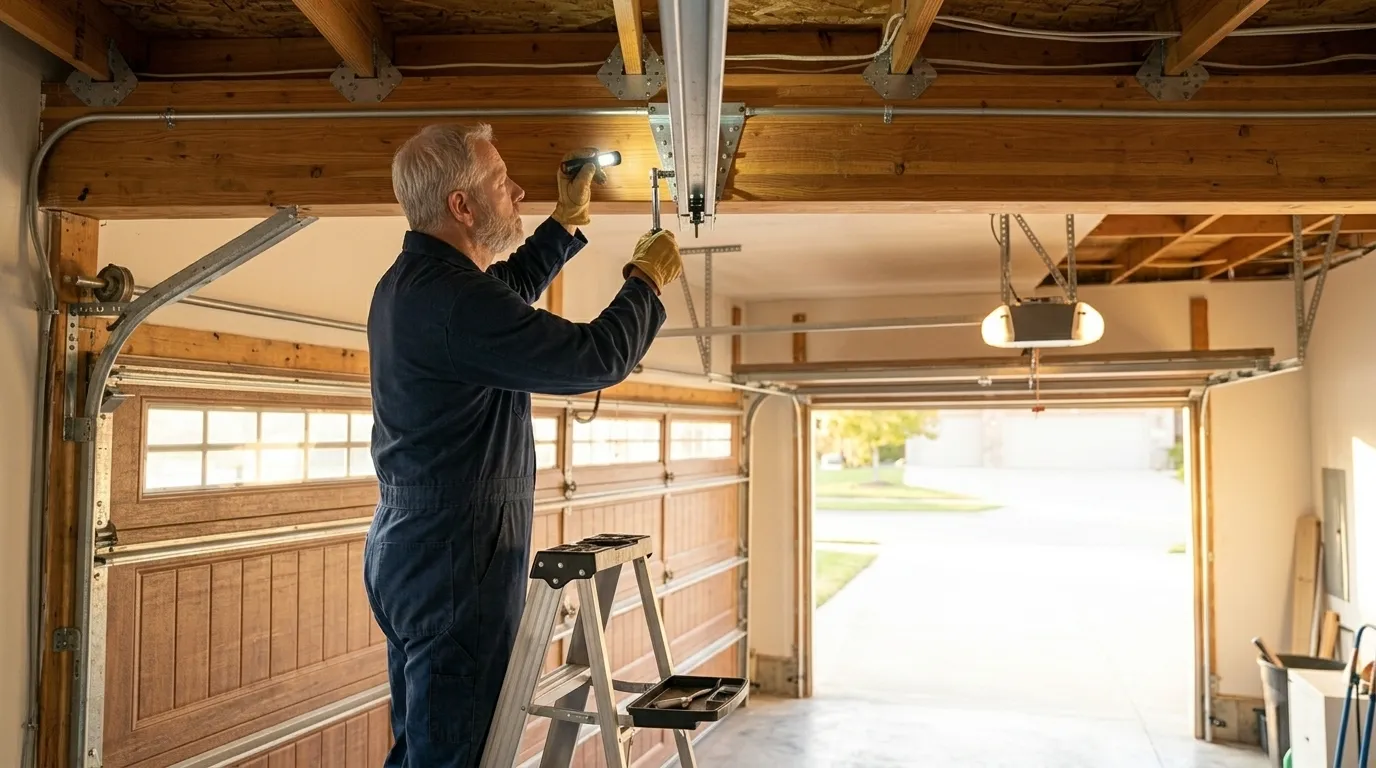
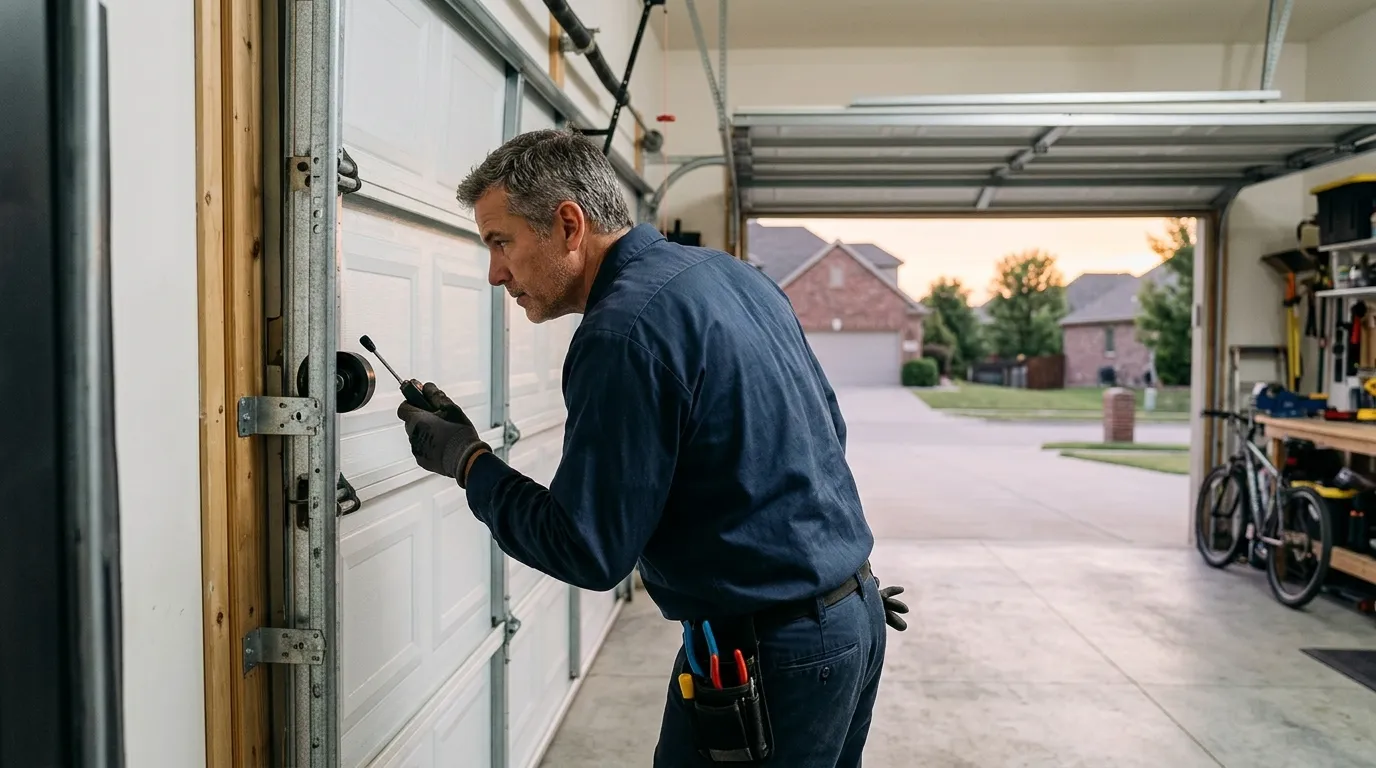
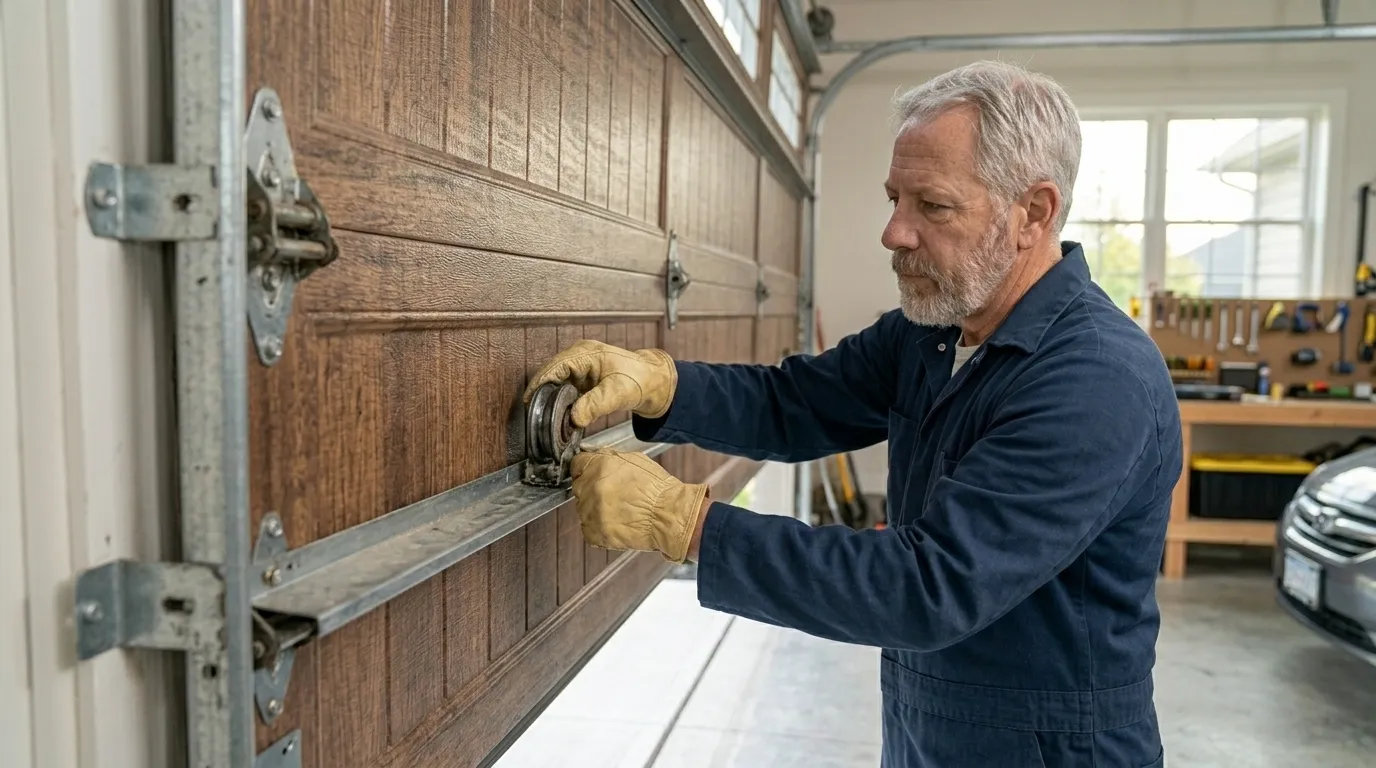
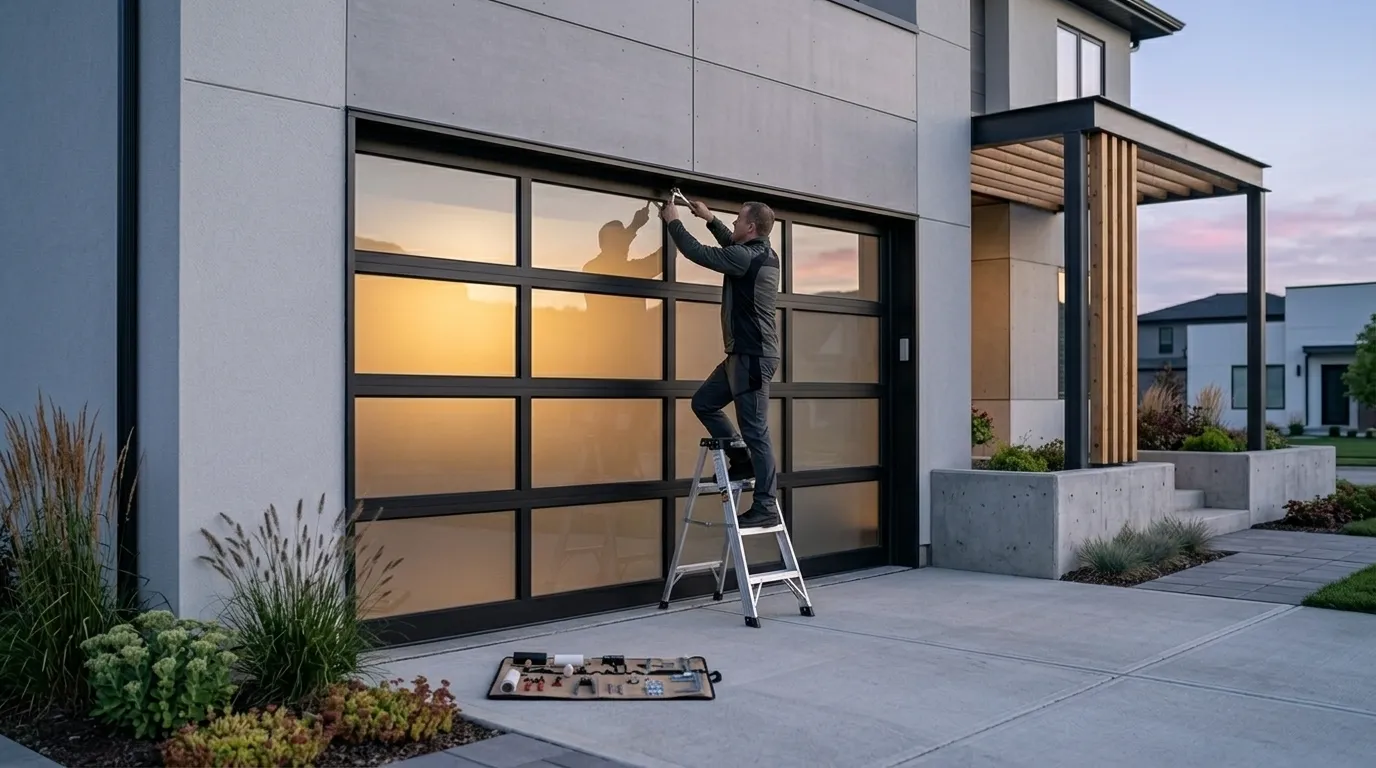
The mistake we see most in this age of door is someone lubricating the track and calling it maintenance. Spraying oil on rollers and rails feels productive, but it does nothing for spring tension, and a torsion spring that's lost tension is what actually causes the opener motor to strain and burn out early. We check spring balance by hand, not by ear.
The other place it goes sideways is on doors where the opener has been swapped out more recently than the door itself. A newer opener on 1989-era track and hardware can mask a worn spring for a while, right up until it can't, and then you're looking at a motor replacement that a spring adjustment would have prevented. We won't tell you a repair will hold if it won't - sometimes the honest answer on an older door is that a full spring and cable replacement costs less over time than another round of patch fixes.
How Long You Are Without the Door
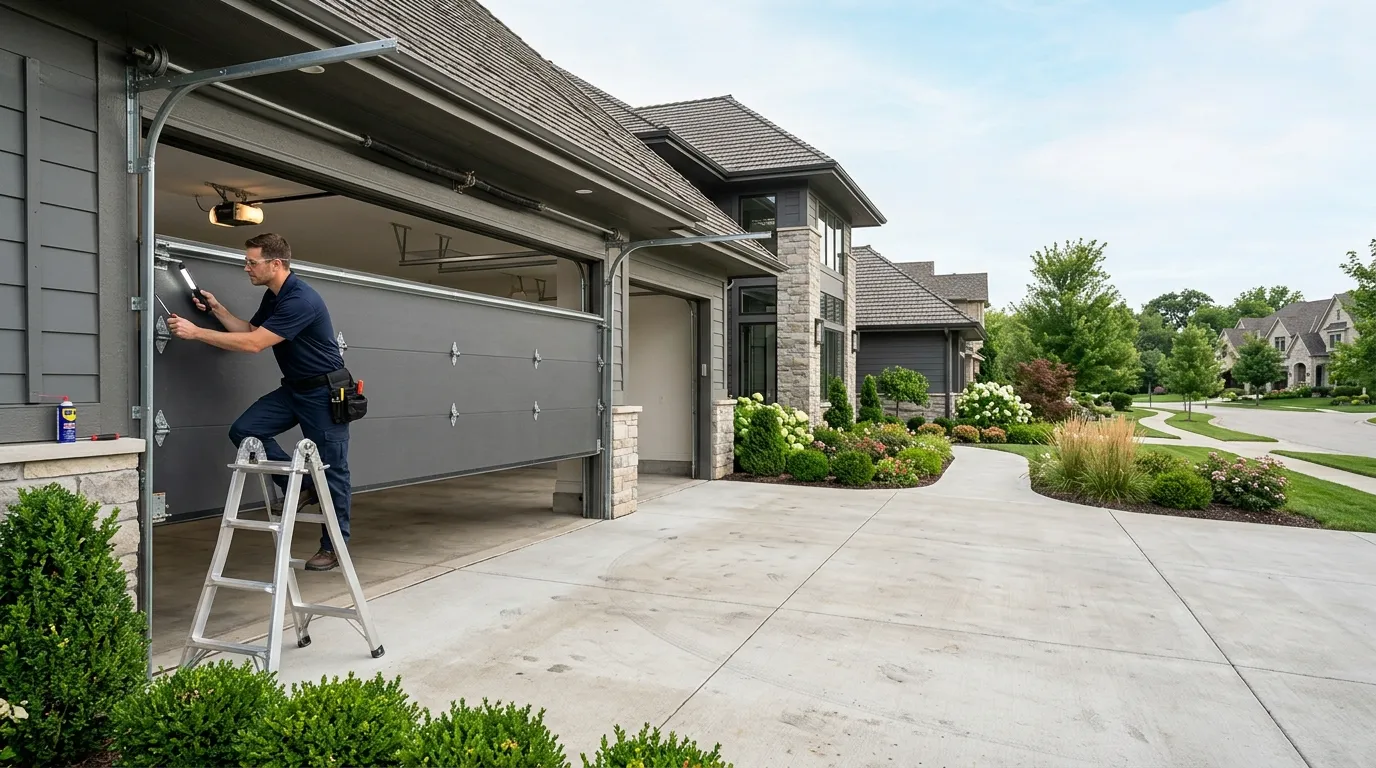
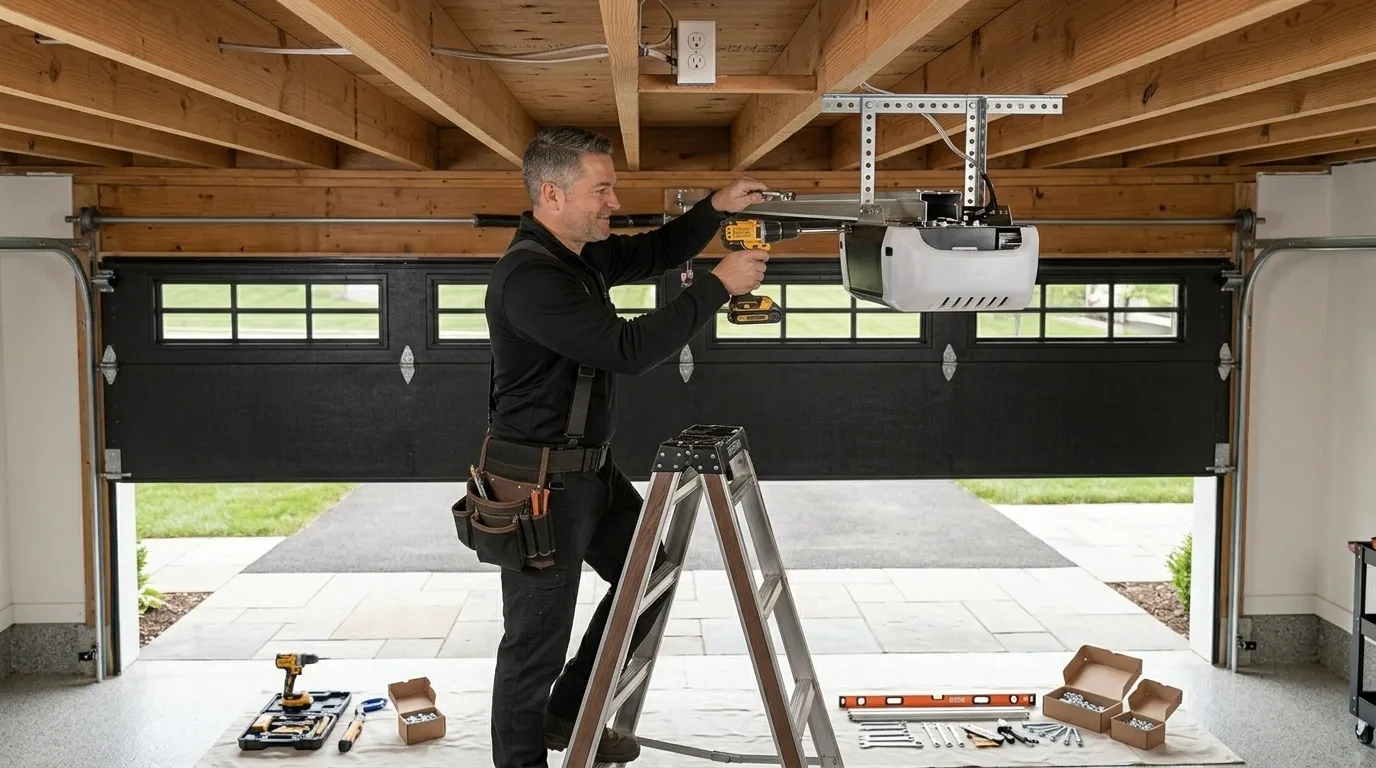
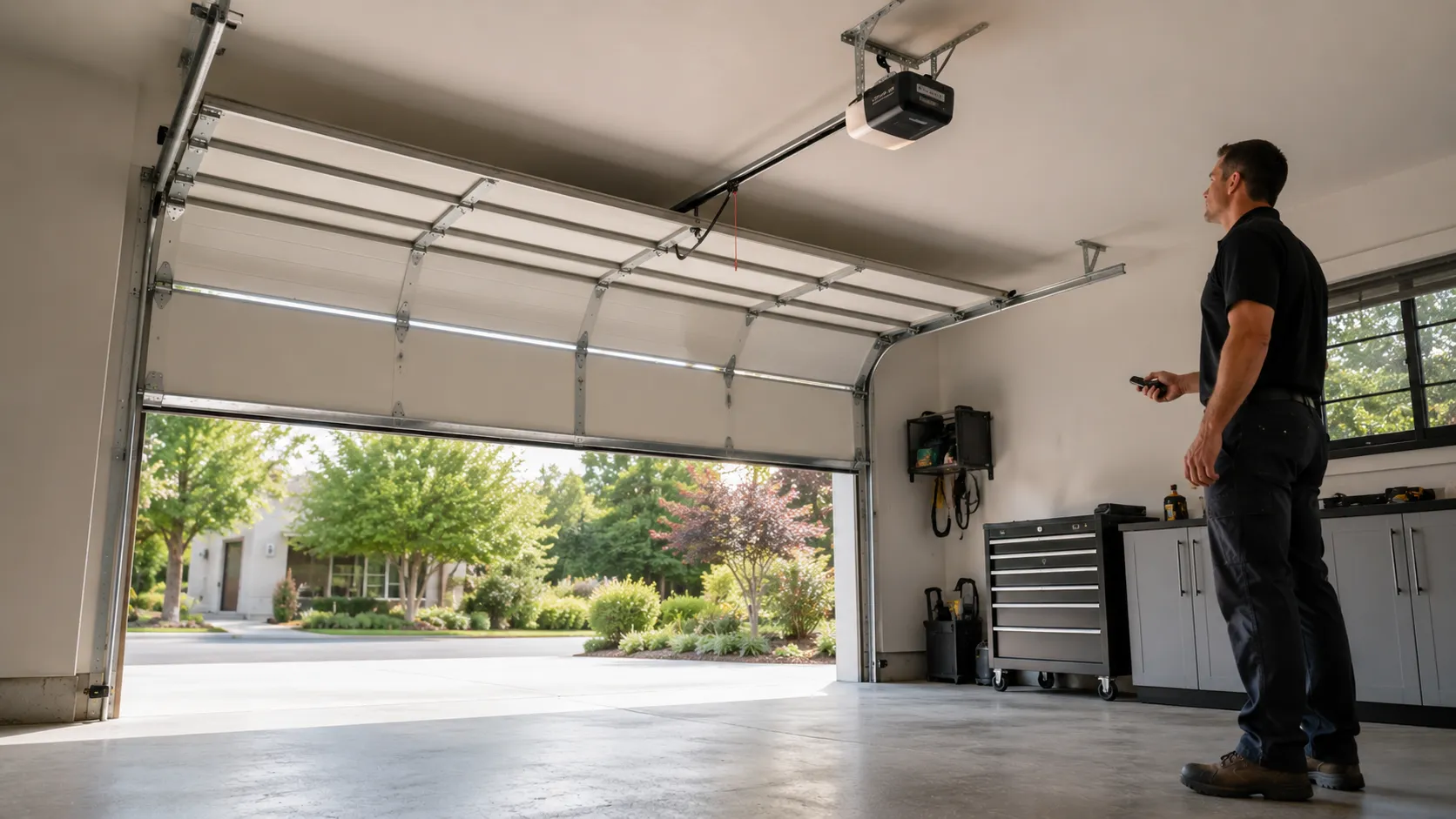
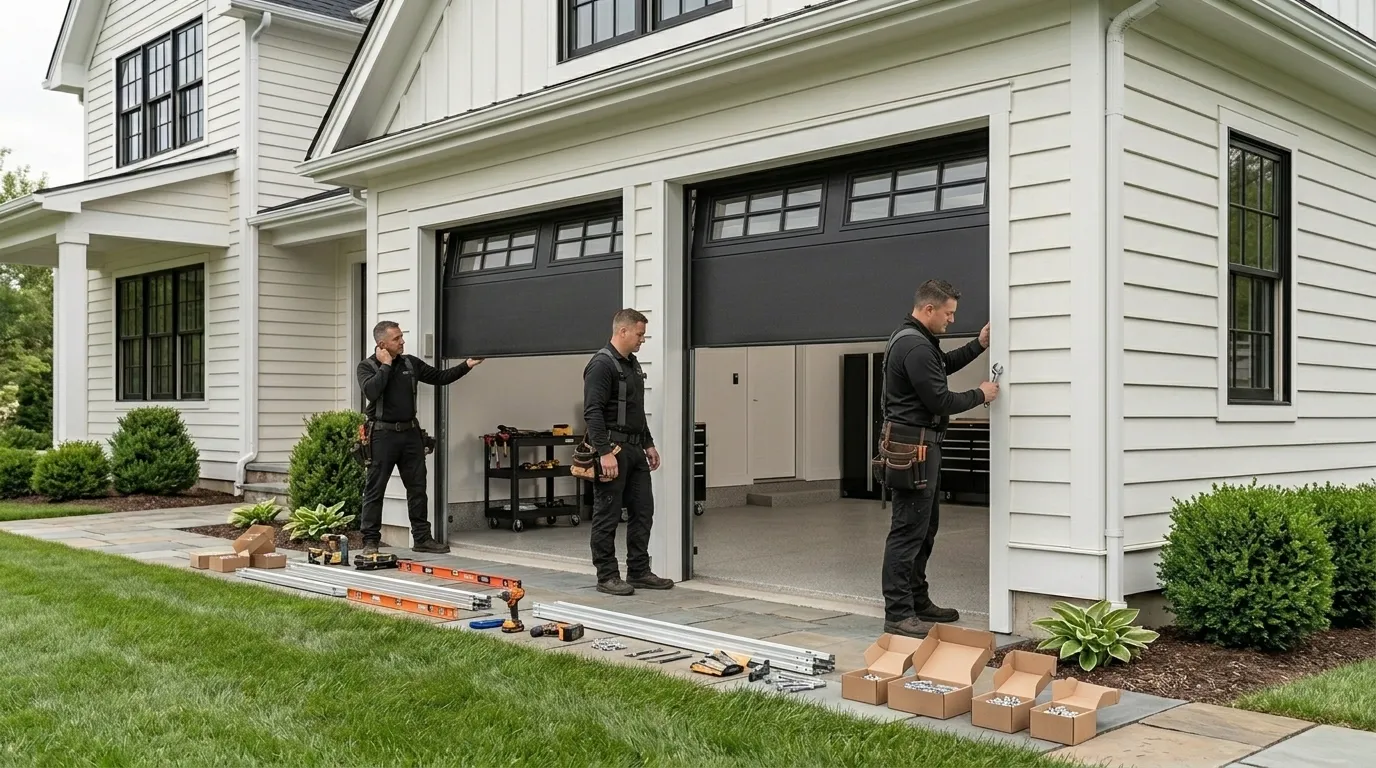
A standard maintenance visit - spring check, hardware inspection, opener and safety sensor test, lubrication - doesn't take the door out of service. You can still park in the garage that night. If we find a spring near failure or a cable fraying, that's a different conversation, and we'll tell you on the spot what needs to happen next and what it involves before we touch anything.
What It Costs
We don't have a set price to quote here without seeing the door - spring tension, track alignment, and opener condition all change what a visit actually involves, and a 1989 door with original hardware takes longer to check properly than a door with parts from the last five years. What we can tell you is that maintenance costs less than the repair it prevents, and on a door this age, a spring or cable replacement found early is a smaller job than one found after it fails.