Why It Happens Here
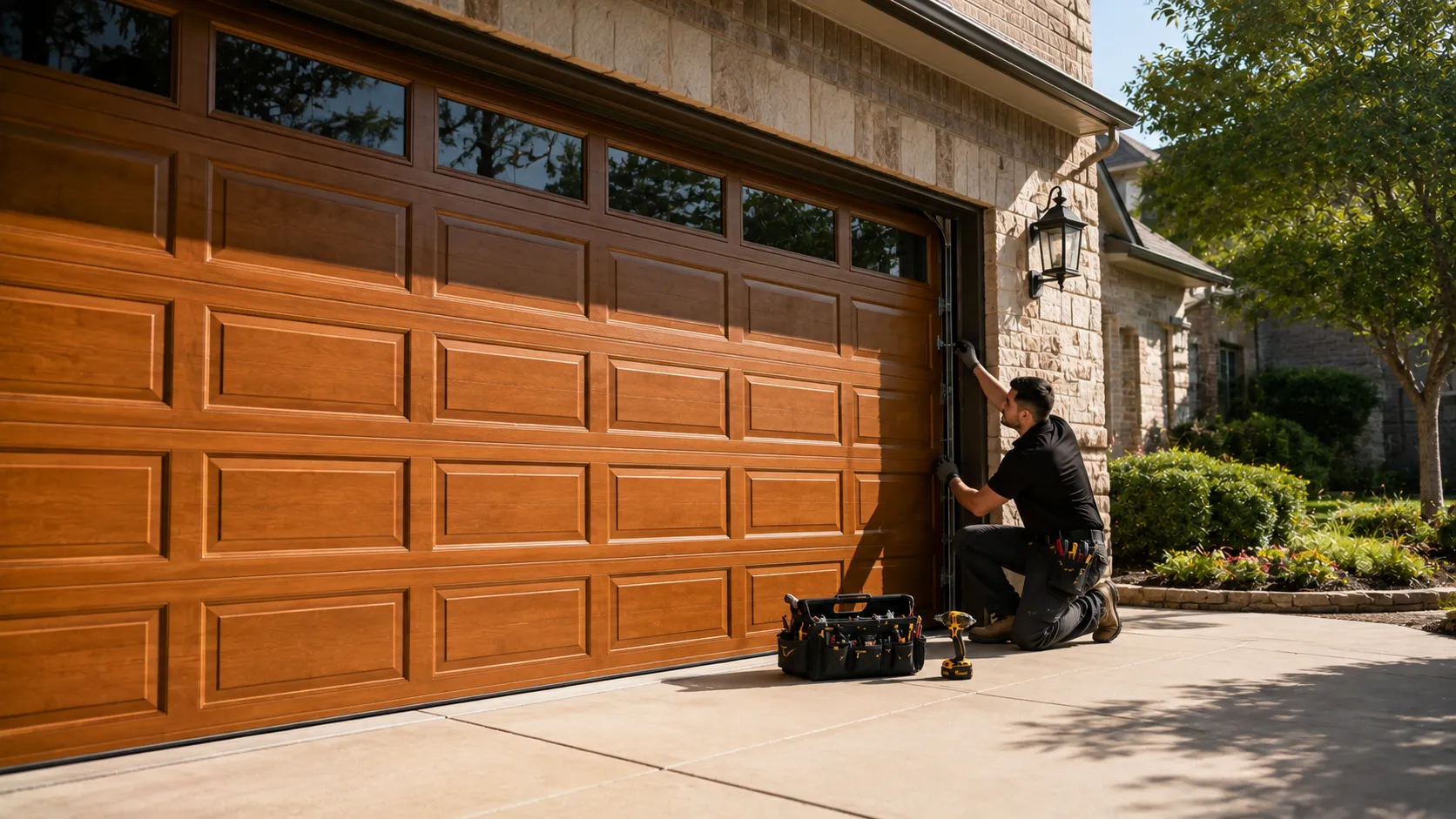
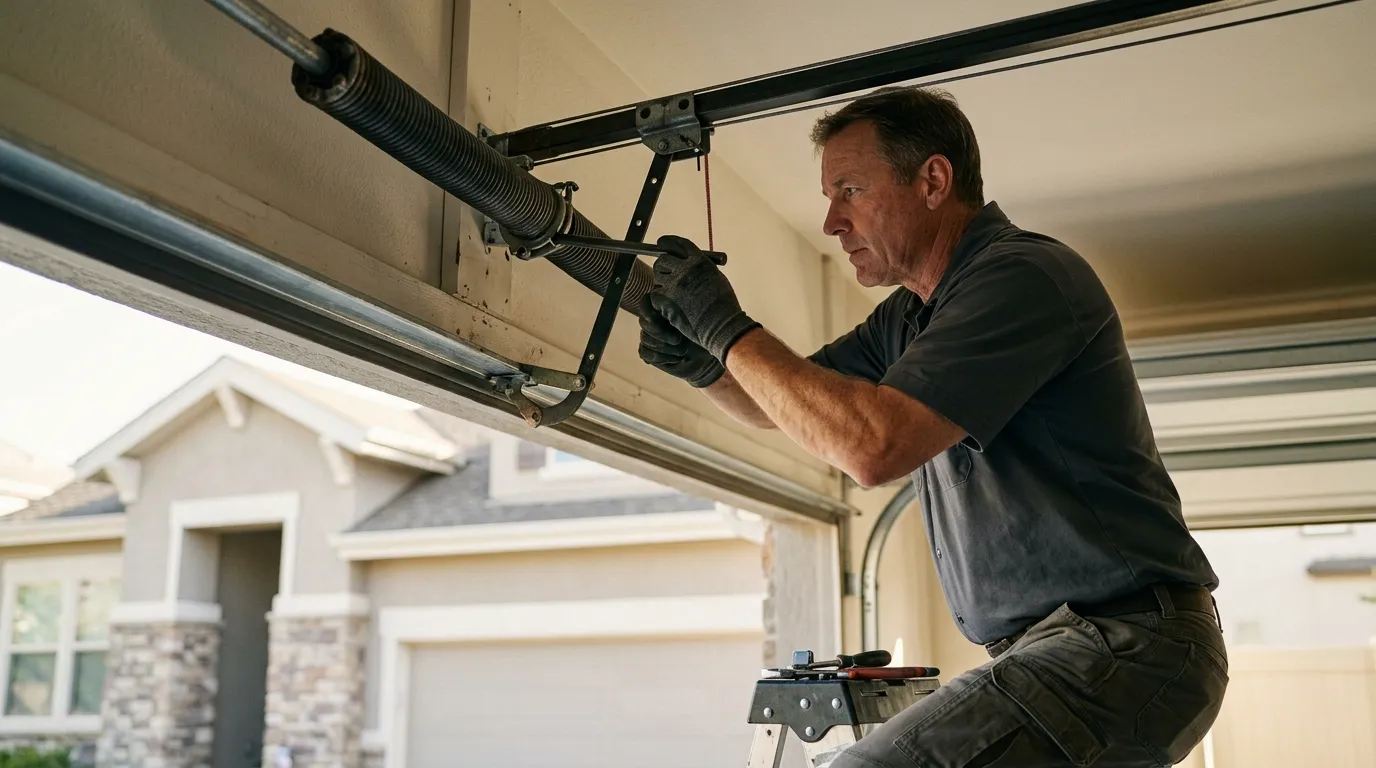
Most houses in Sun Valley went up around 1989, when single-layer steel doors and extension springs were standard equipment, not an upgrade. That's what came stock from the builder, and a lot of it is still hanging there. Extension spring systems were cheap to install and they worked fine for a while, but they were never built to run thirty-plus years without a full swap. The panels from that era are usually 24- or 25-gauge steel with no insulation core, because insulation wasn't code and nobody was paying extra for it.
The broader service area we cover ranges from 1938 to 2003 depending on the neighborhood, but Sun Valley's stock centers tighter than that. When we get a call here, we're usually looking at the same generation of door and the same generation of hardware, which means the same failure points show up over and over: worn extension springs, single-layer panels that dent easy, and openers that were never rated for the door weight once someone's swapped in a heavier replacement panel without upgrading the spring system to match.
A new install here isn't just about looks. It's about replacing hardware that was designed for a 1989 build standard with something rated for how the door actually gets used now.
Where This Job Goes Sideways
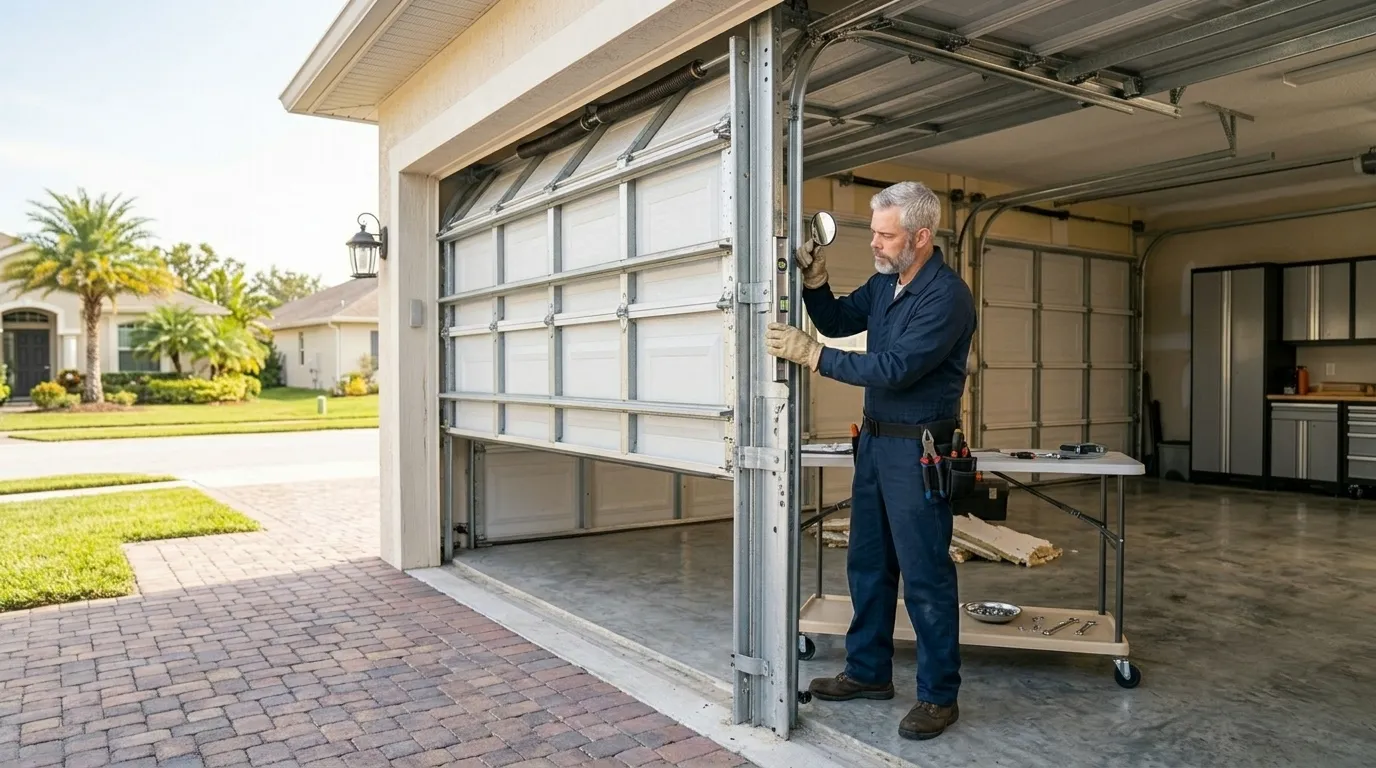
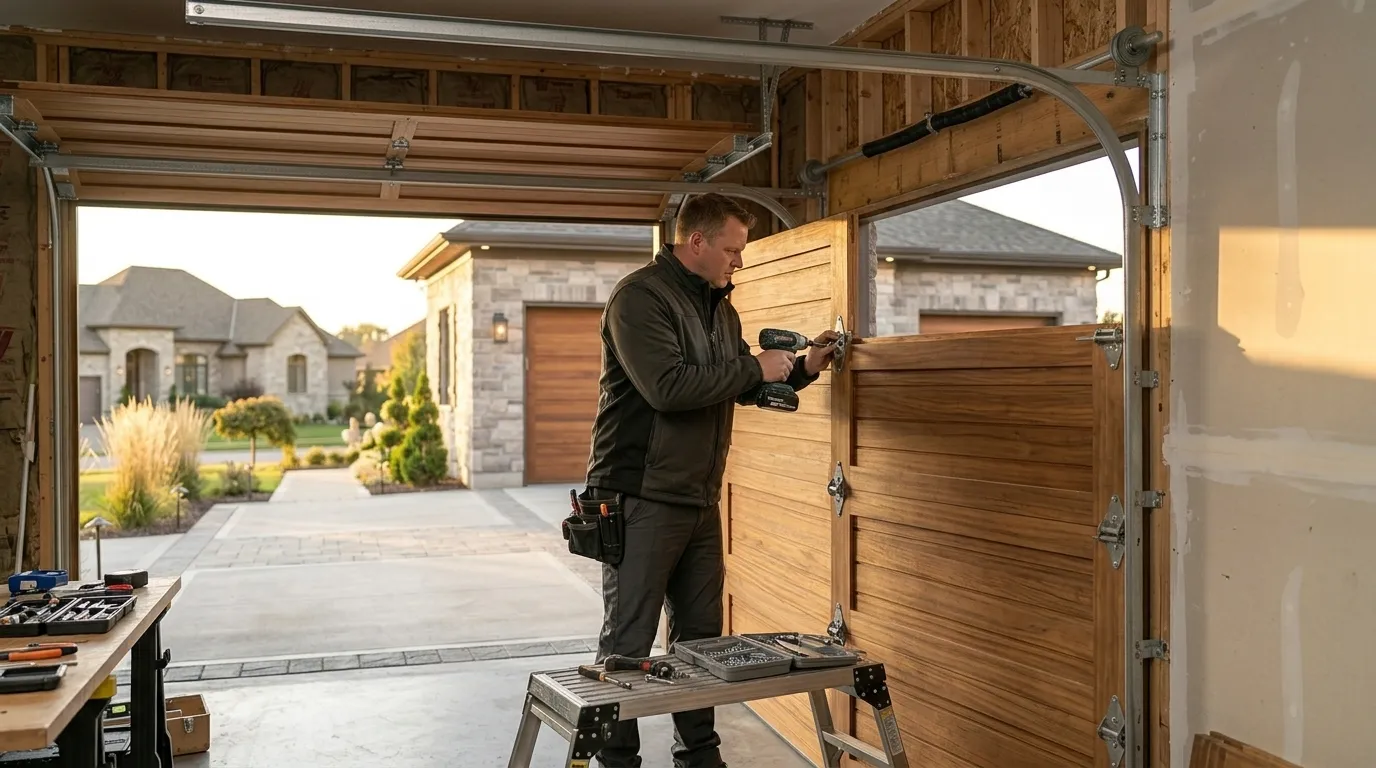
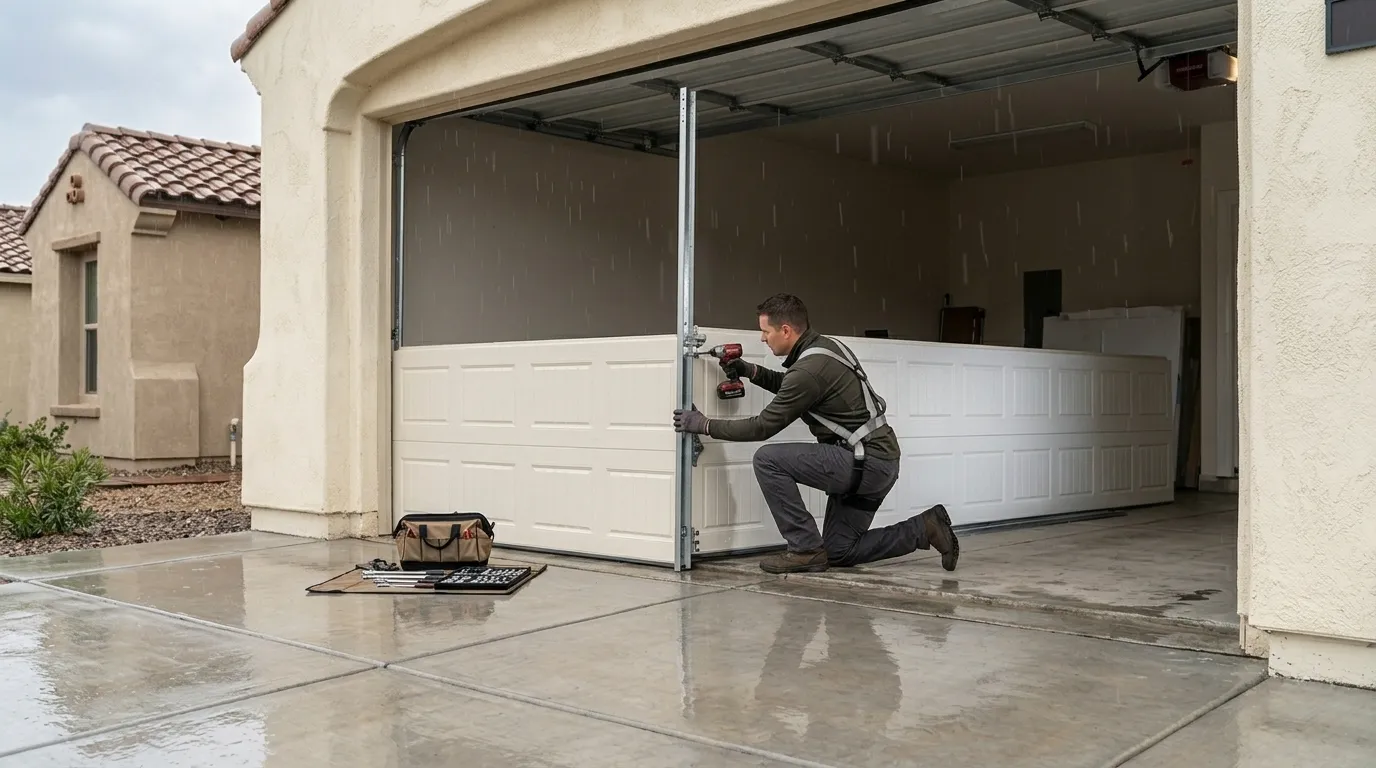
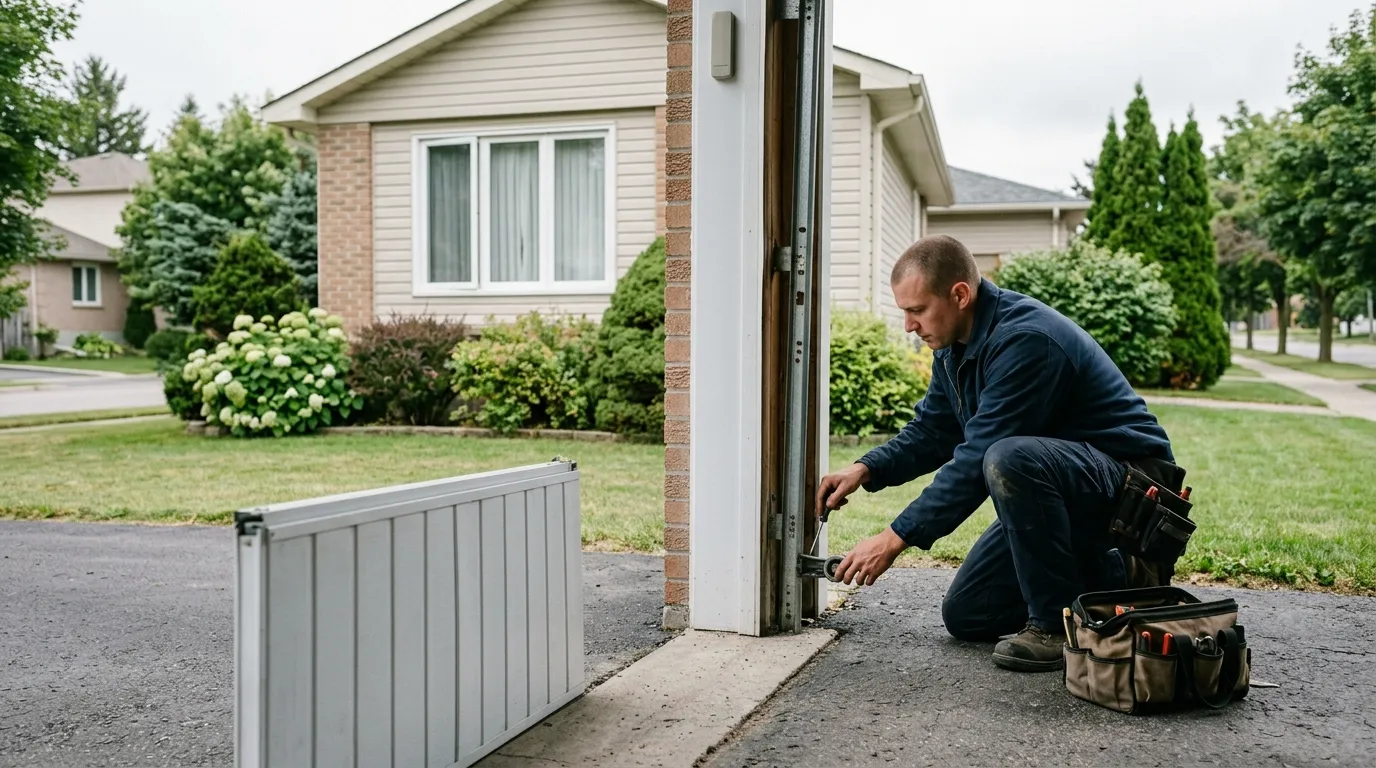
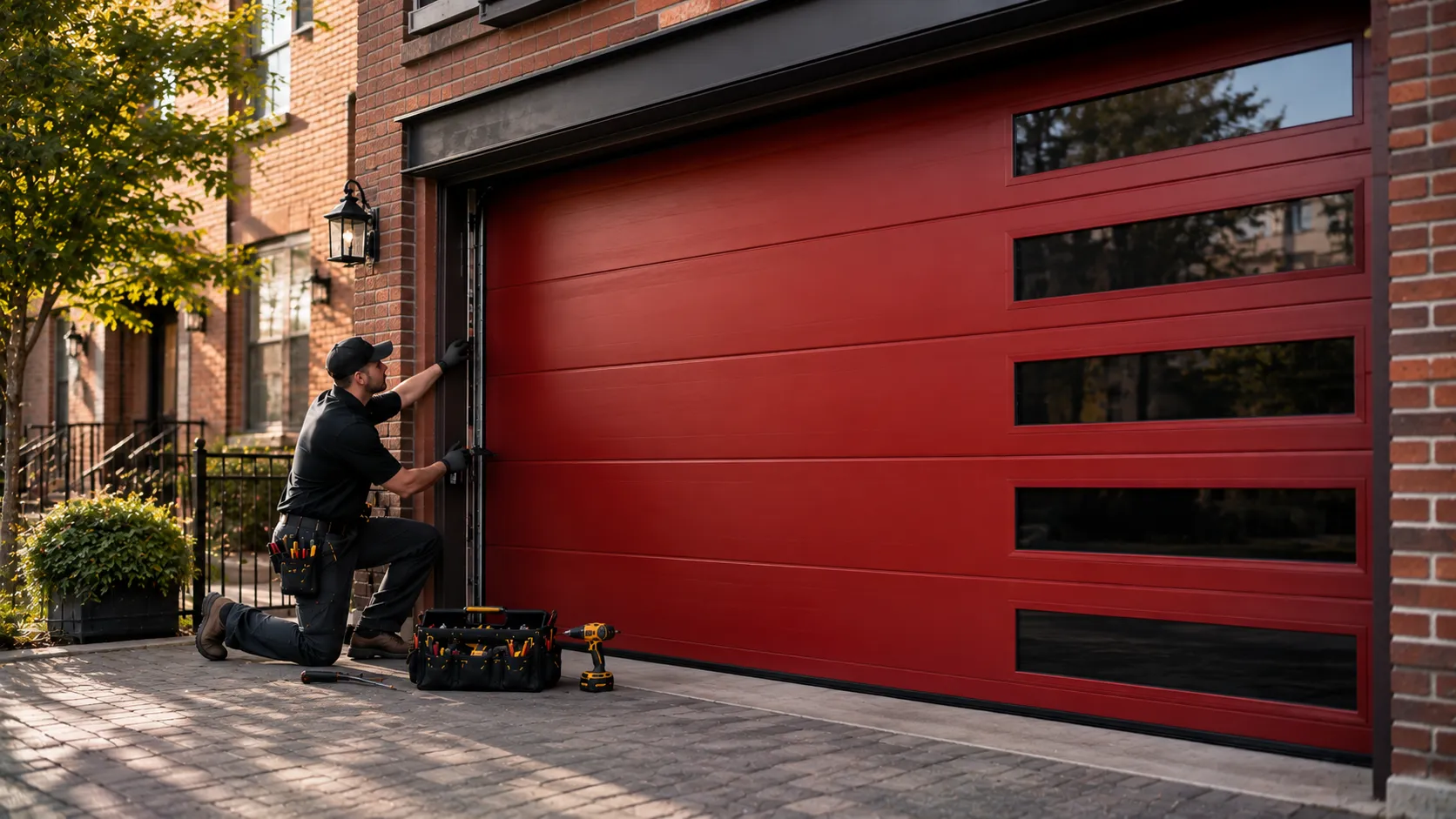
The honest complication with these installs is headroom and track clearance. Homes from this build era often used a track and spring configuration that assumed the original door's dimensions exactly. Swap in a new door that's a modern standard height or add insulation thickness, and the old track brackets sometimes don't clear the way they used to. That's not a defect in the new door, it's a mismatch with framing decisions made when the garage was built.
We won't force a door into an opening that doesn't fit the new hardware cleanly. If the header or side clearance is tight, that gets addressed before the door goes in, not patched after. It's a smaller job than a full reframe, usually just bracket and track adjustment, but it's a step that gets skipped by anyone quoting the job sight-unseen.
The other place this goes sideways is opener wiring. A lot of these garages still run openers wired to codes from decades back, and pairing a new door with an old opener that isn't rated for the new panel weight is a mistake we won't make just to save a trip.
How Long You Are Without the Door
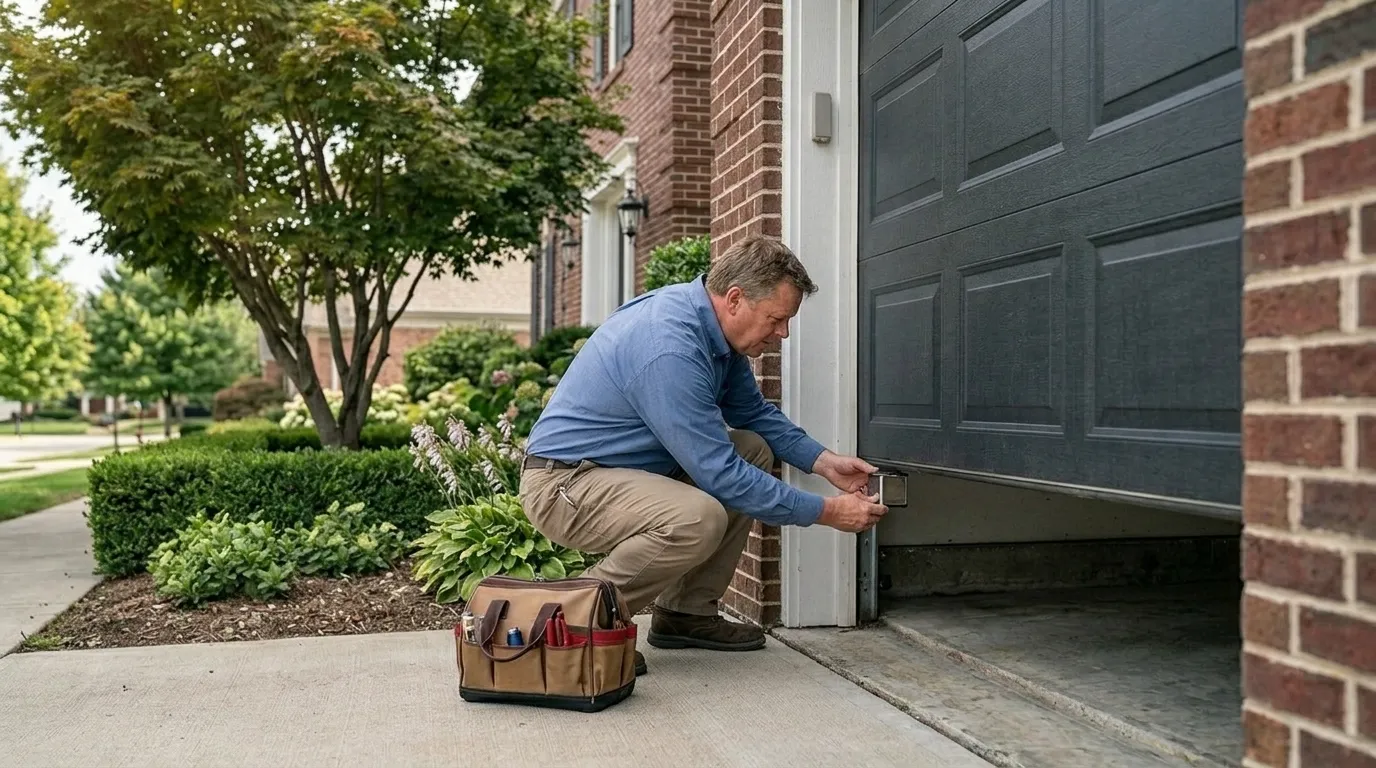
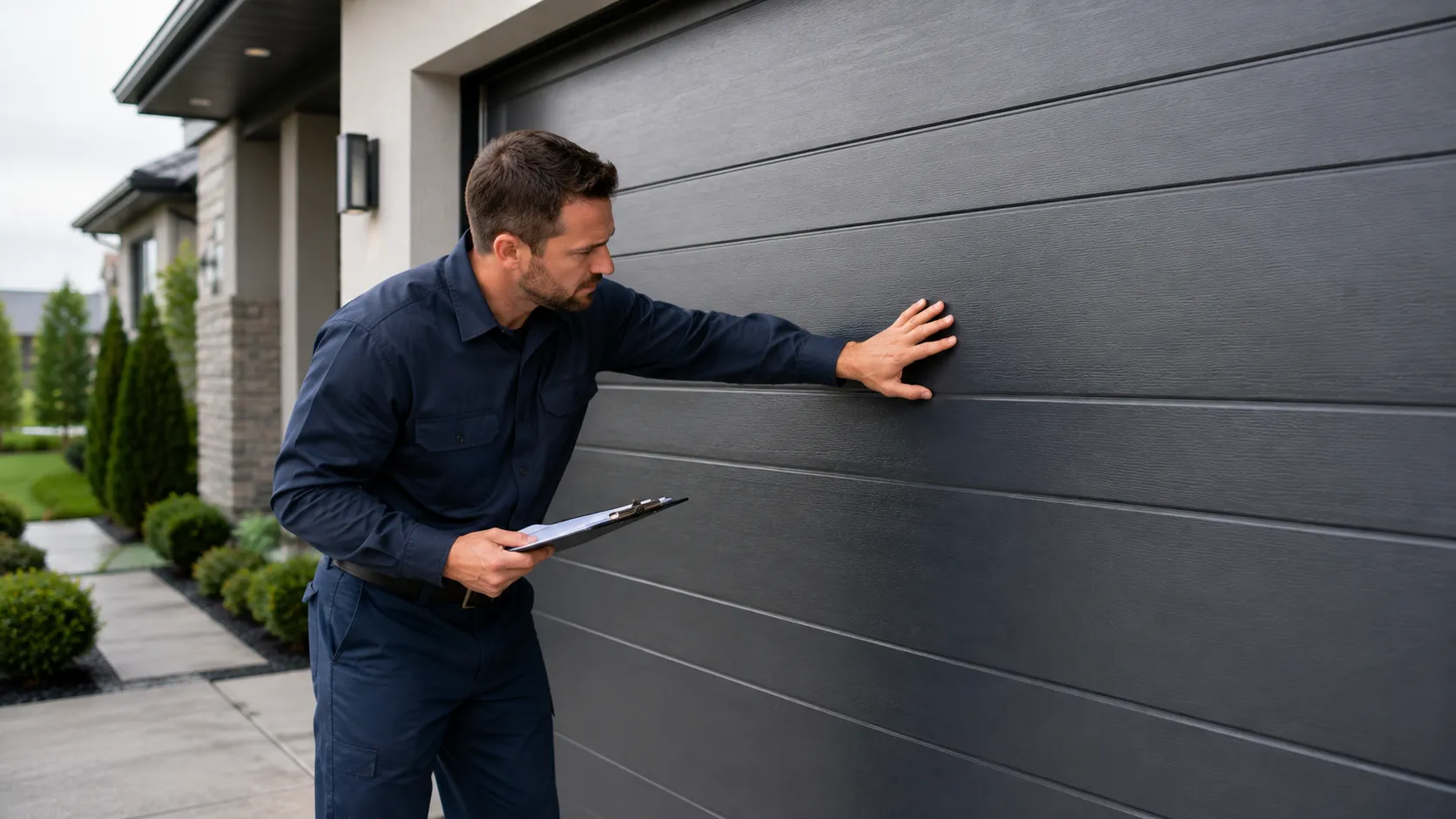
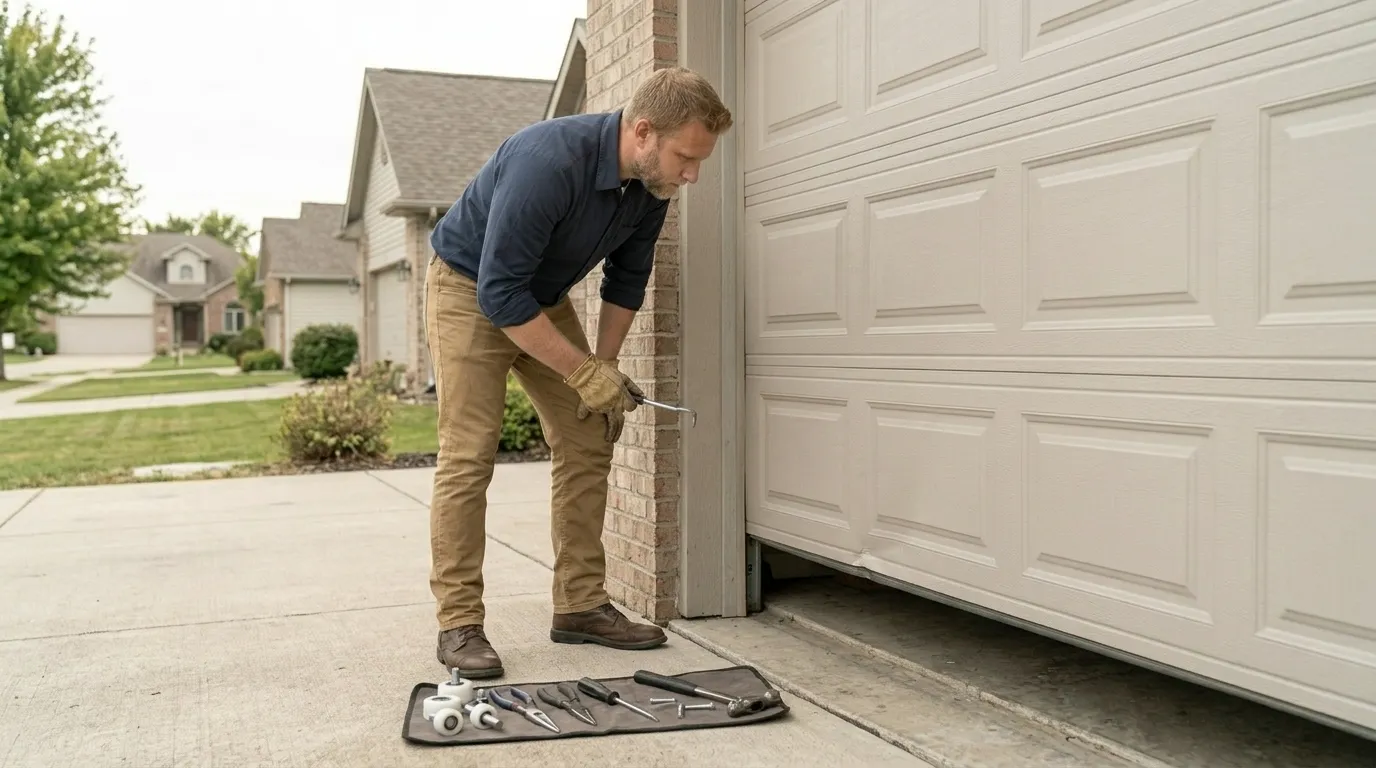
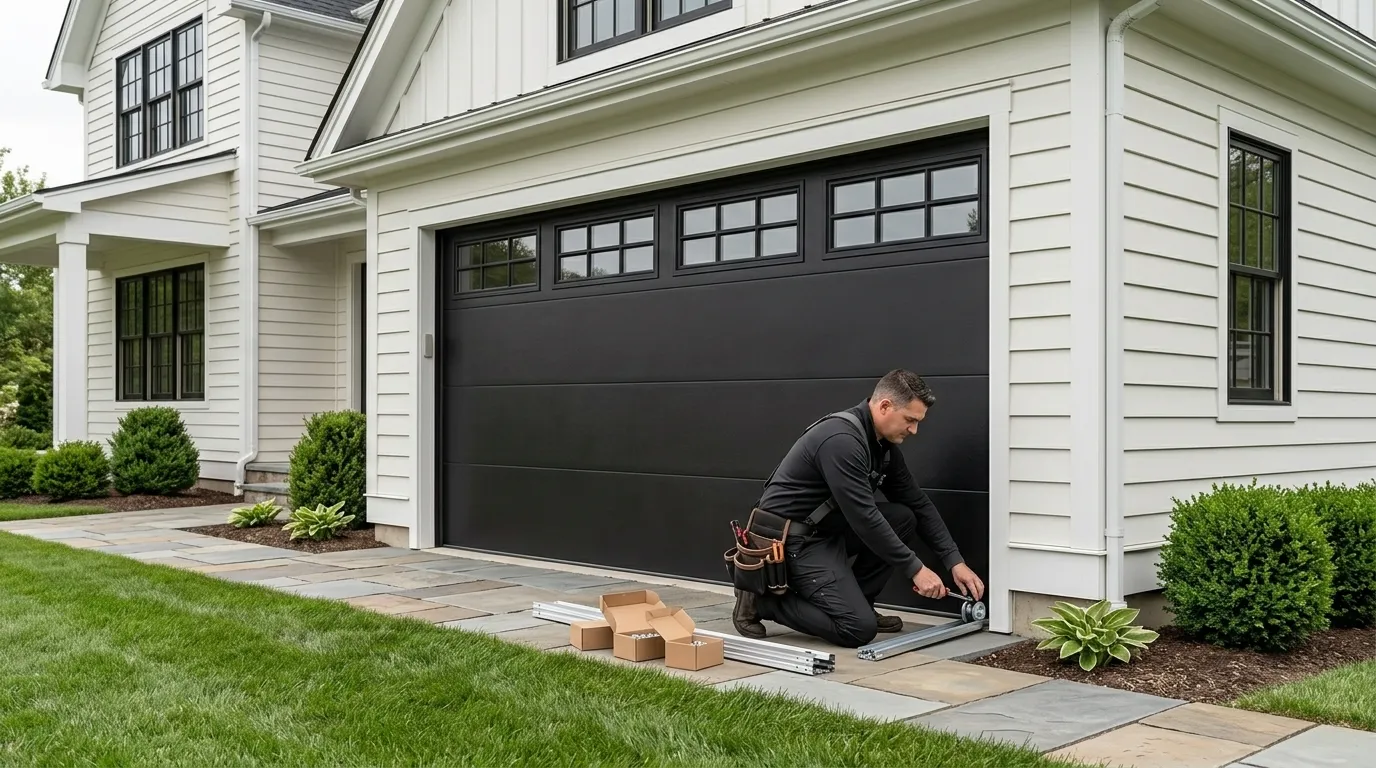
We don't carry every panel size and finish on the truck, so a new install is usually a two-visit process: one to measure, confirm opening dimensions, and check the track and header clearance, then a second visit to install once the door itself is in. Standard sizes move faster than custom widths or anything with a specific insulation spec, and that's a limitation worth saying plainly rather than promising a same-day swap we can't back up.
During that gap, your existing door usually still operates, even if it's the reason you called in the first place. If a spring has already gone and the door won't move at all, that's a different, more urgent situation and we'll talk through what can be done to secure the opening in the meantime.
We'd rather tell you the real timeline up front than have you find out the hard way that the door on order isn't the one sitting in a warehouse ready to go.
What It Costs
Cost on a new door depends on size, insulation, and whether the track or header needs adjustment to fit modern hardware into a 1989-era opening, so we're not going to throw out a number that doesn't hold up once someone's actually looked at the garage. What we can say is that median household income in Sun Valley runs $76,108, noticeably lower than the $102,625 median across the wider service area, and that gap is worth knowing before you start pricing against a neighborhood a few miles over that isn't this one.
The real cost driver here isn't the door itself, it's whether the existing bracket and track setup can take a modern door without extra labor. That's why we quote after the measure, not before it.