When Waiting Is Fine
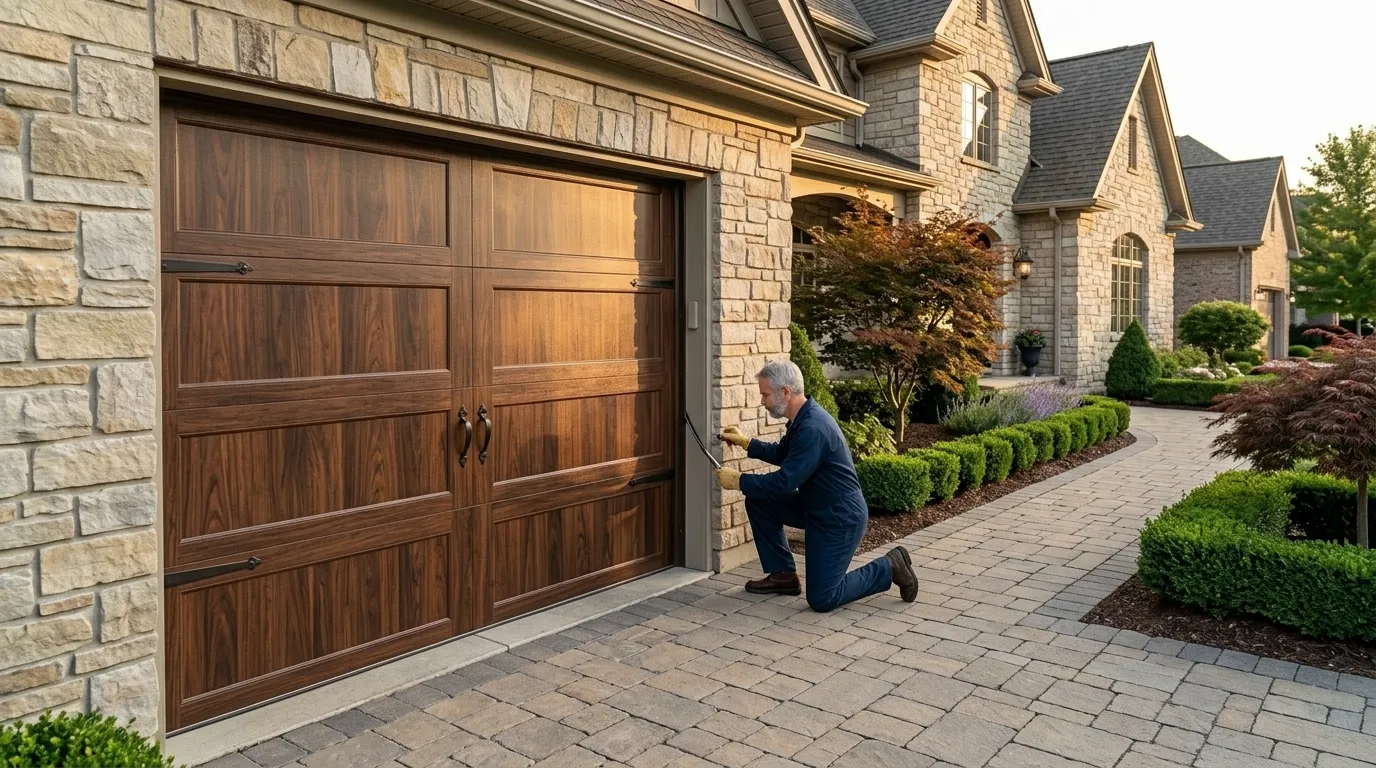
If your door still opens and closes on the first try, seals against the weather, and the spring hasn't snapped, you don't need to do anything right now. A lot of the doors we look at in Reno are original to the house - and with housing stock here running from 1938 up through 2003, with the median build year sitting around 1989, that means plenty of doors are pushing thirty-plus years old and still doing their job. Age alone isn't a reason to replace anything.
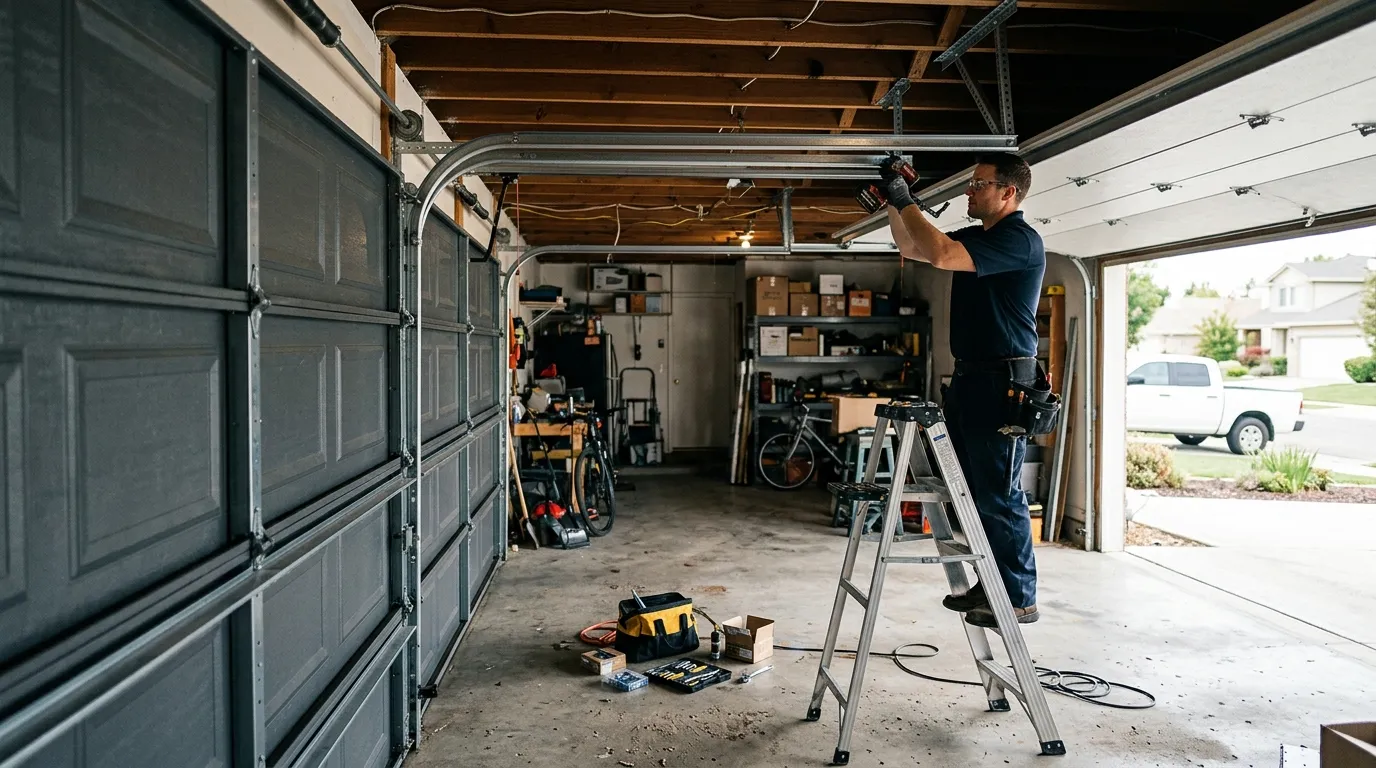
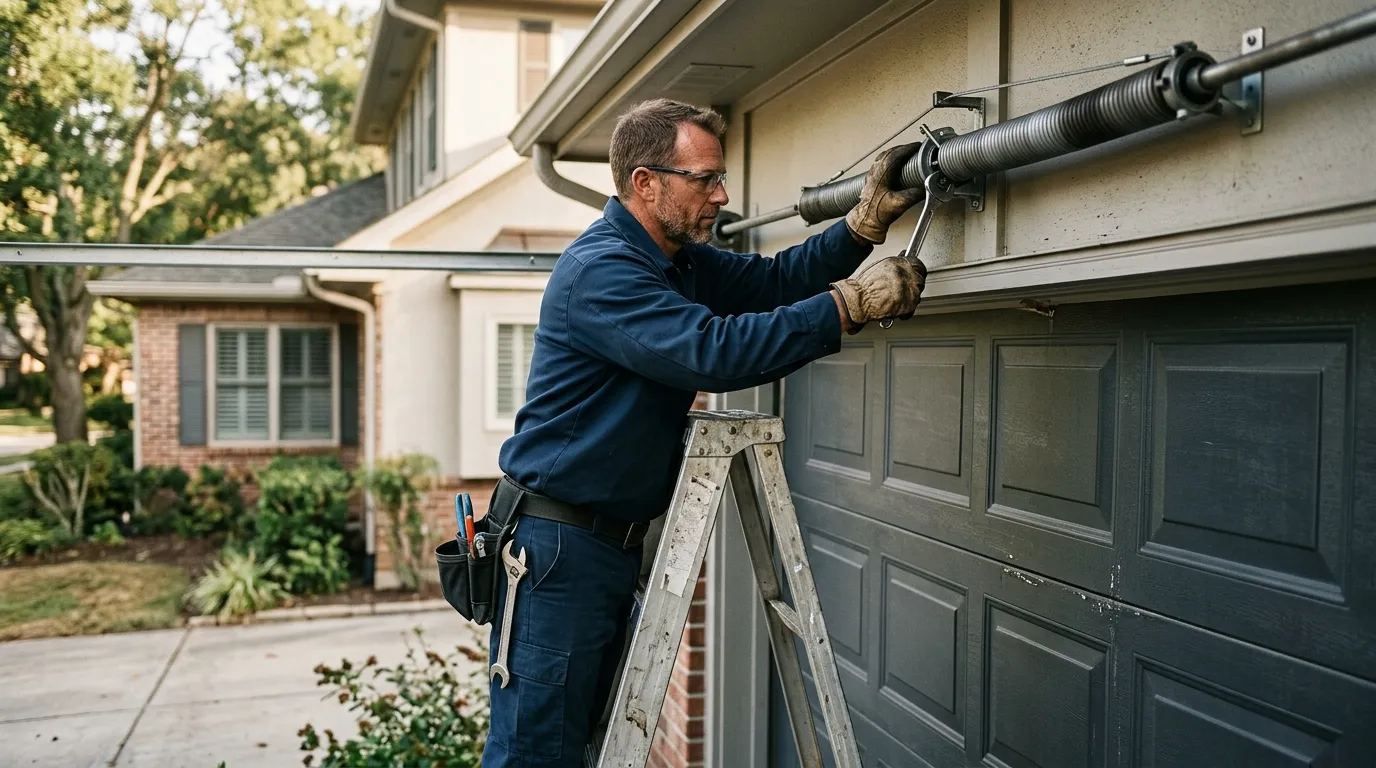
What we actually check before recommending replacement: does the door hang level in the track, does the opener strain or grind, are the panels rusted through or just cosmetically dinged, and does the weatherstripping still seal the bottom. A door built in the late 1980s with steel panels and a torsion spring that's original but hasn't failed can often run another decade with routine lubrication and a spring balance check. We don't push replacement on a door that's simply old - we push it on a door that's failing.
What It Costs
We don't have a set price to quote you here without seeing the door - spring size, panel material, and opener compatibility all change the number. What we can tell you is how to think about the decision: a repair that costs less than half of a comparable new door, on a door with no rust-through and a frame that's still square, is usually worth doing. A repair that's chasing multiple failures at once - spring, cable, and a warped panel all together - usually isn't, even if each piece looks fixable on its own.
Household income in this service area runs a median of $102,625, and we've found most owners in that range would rather spend once on a proper fix than pay twice for patchwork repairs on a door that's already telling you it's done. That's not a sales pitch - it's just what tends to make sense on a door with multiple failure points at once.
How Local Conditions Play In
Reno sits in a cold-climate band with severe winter conditions, and that changes what "worth fixing" means here versus a warmer market. Steel contracts in cold temperatures, which puts extra stress on a torsion spring that's already near the end of its cycle life. We see more spring failures in the coldest stretches of the year than any other time, and on an older door that's already showing wear, cold weather is usually what finishes the job.
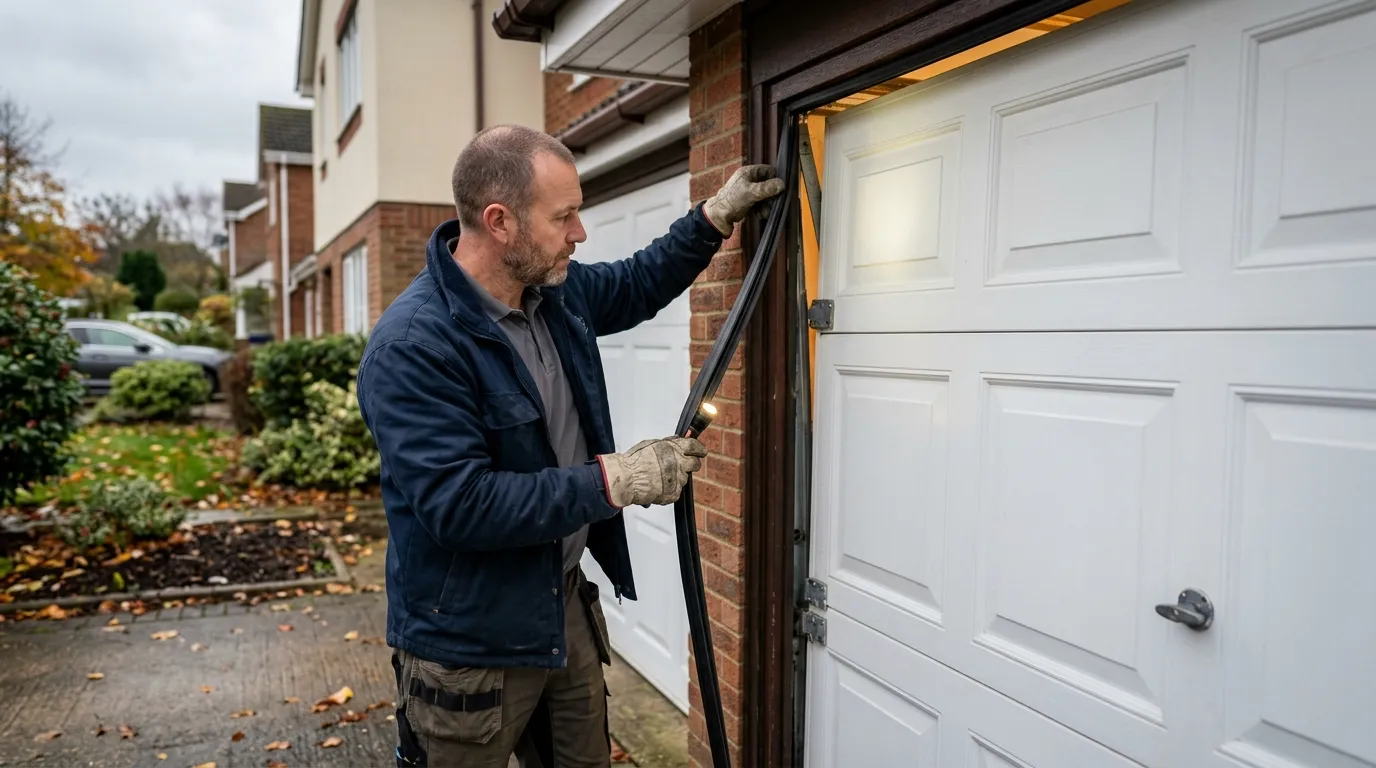
This also means the weatherstripping and bottom seal matter more here than in a mild climate - a gap that lets in cold air is a bigger deal on a house built before modern insulation codes than it would be somewhere without hard winters. If your door is original to a home built in the 1980s or 90s and the seal has gone stiff or cracked, that's often worth fixing on its own, separate from anything mechanical.