What Is Built Here
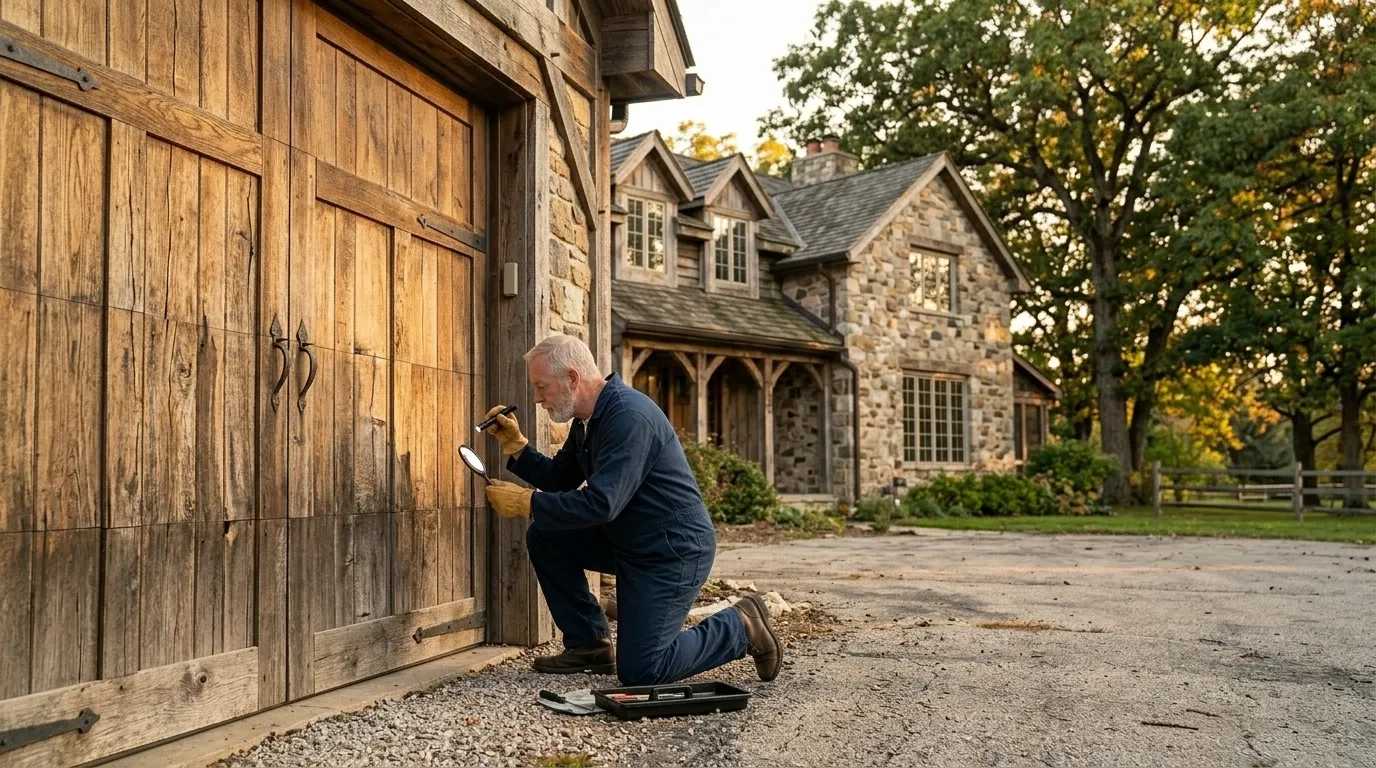
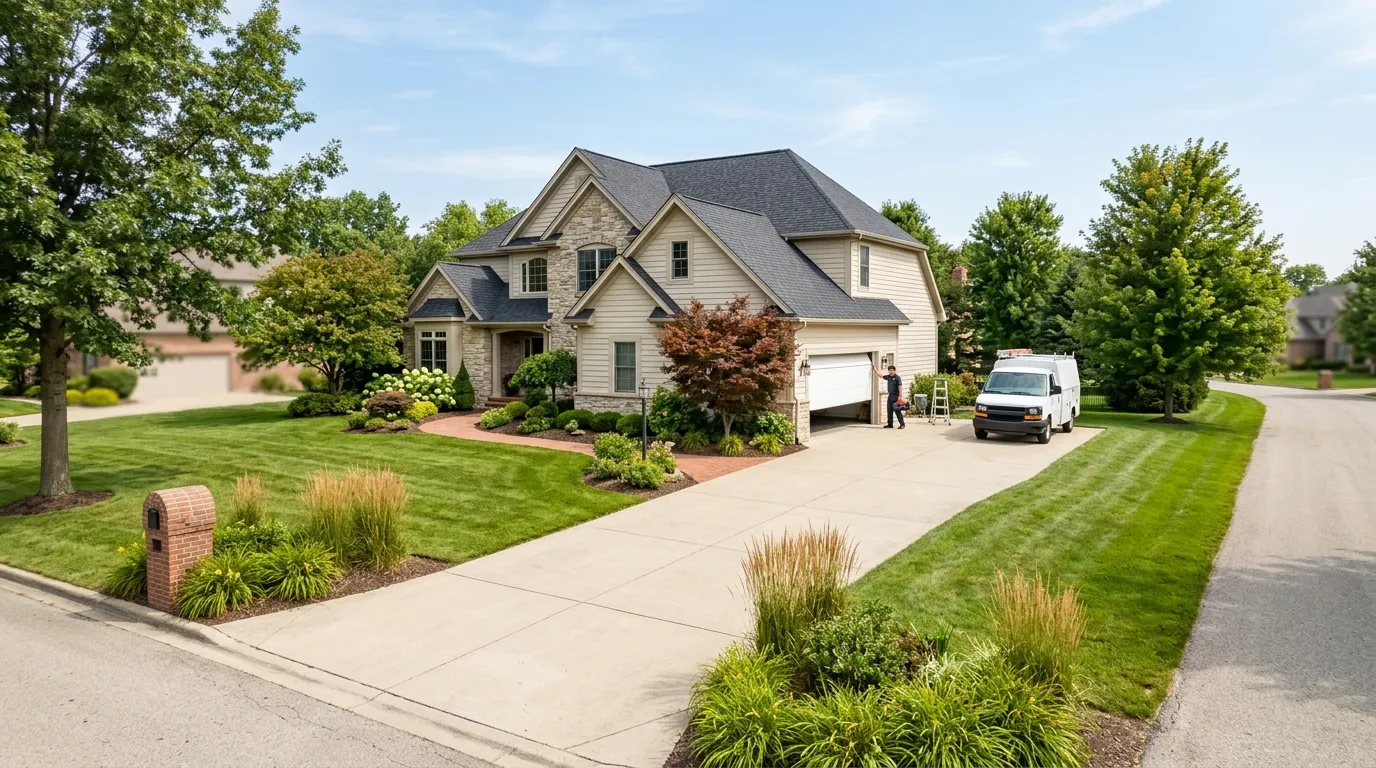
West University sits about a mile southeast of the center of Reno, close enough that it picks up some of the older housing stock mixed with later infill. Across the wider service area, homes went up between 1938 and 2003, with a median build year of 1989, and most of the five named areas we work in lean 1980s-90s construction. That range matters for garage doors because it spans several eras of hardware: some houses still have the original torsion setups from when they were framed, others got a door swap somewhere in the last twenty or thirty years without ever touching the track or jamb. When we get a call from this part of Reno, we don't assume a single standard opening or a single spring size. We ask the build year first, because a house from the late 30s and a house from the late 90s can need entirely different parts, even if they look the same from the street.
What the Doors Are Like
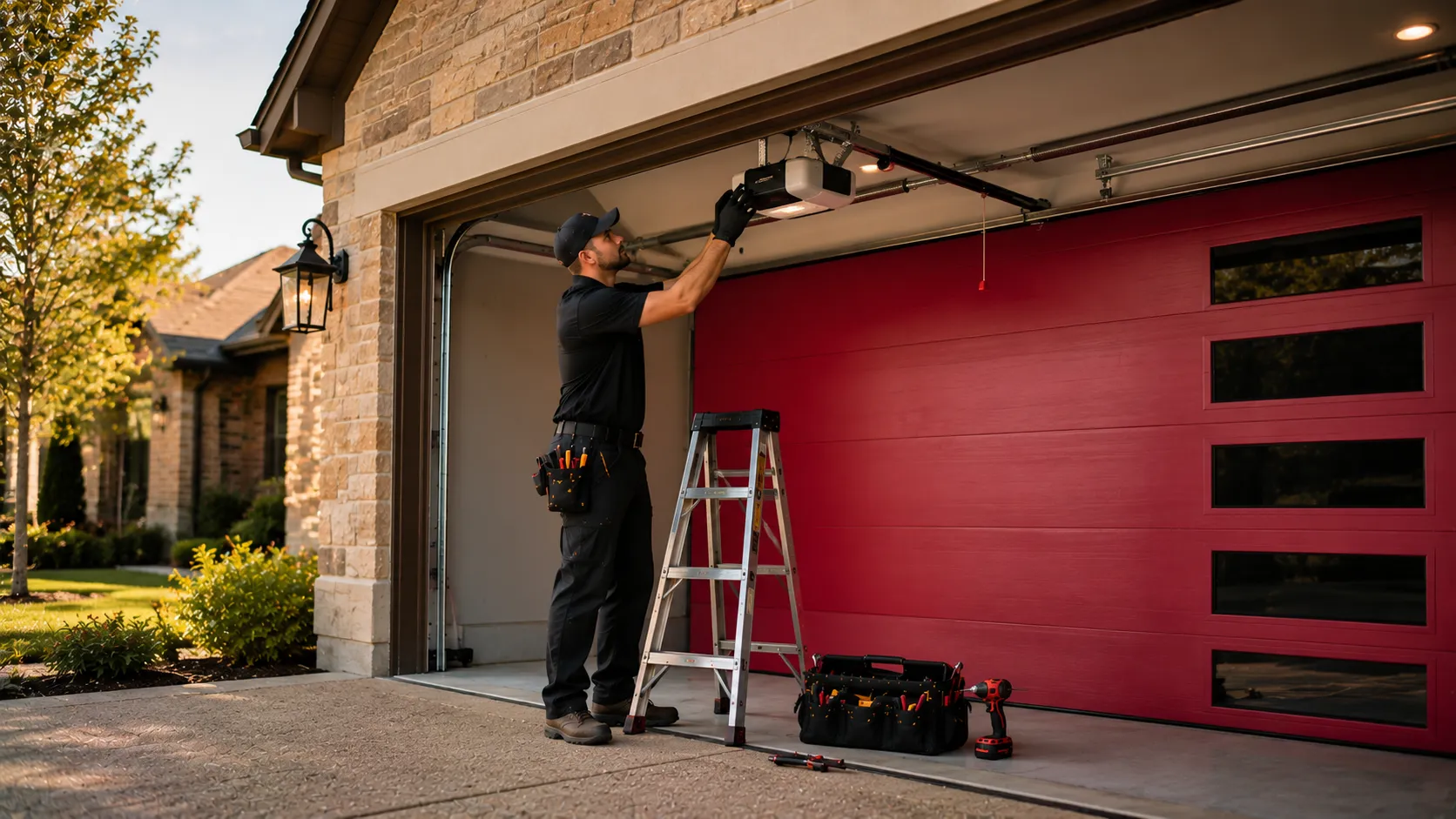
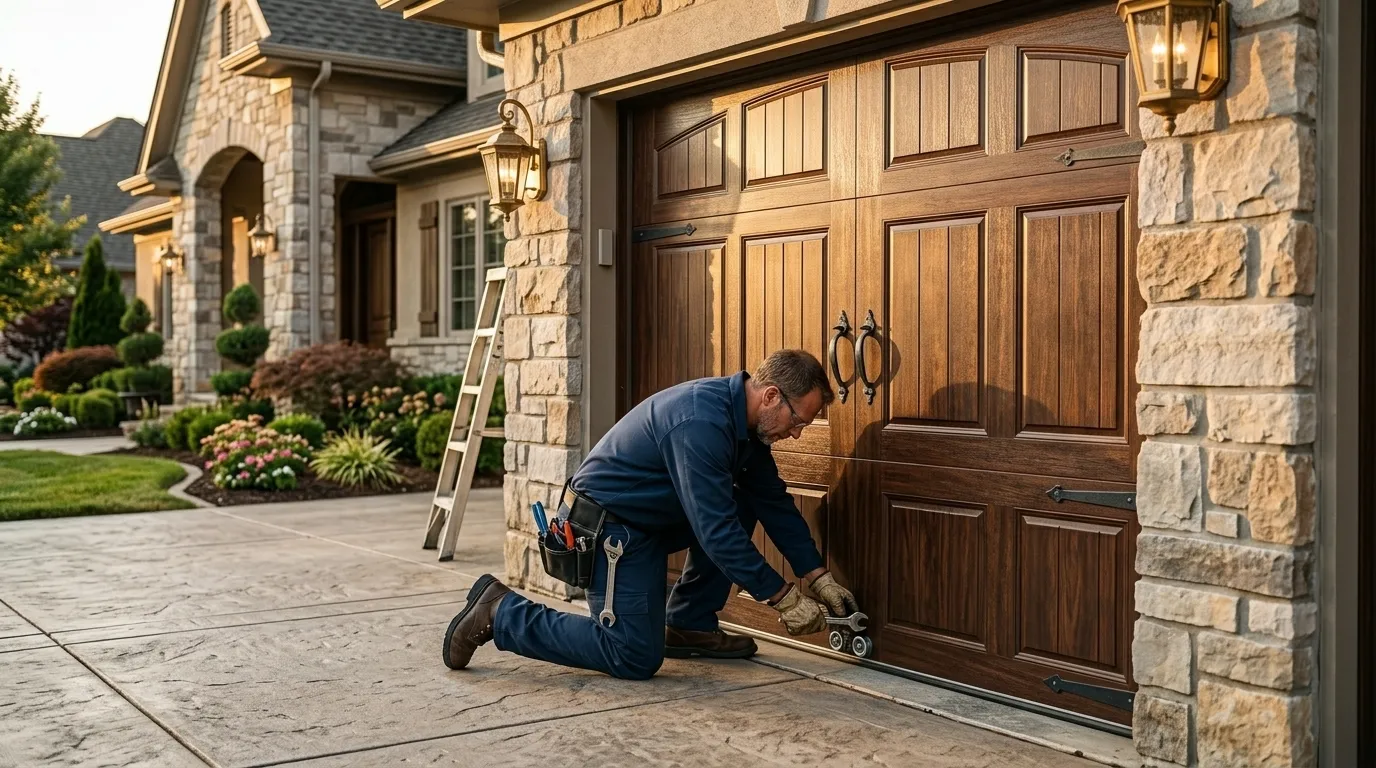
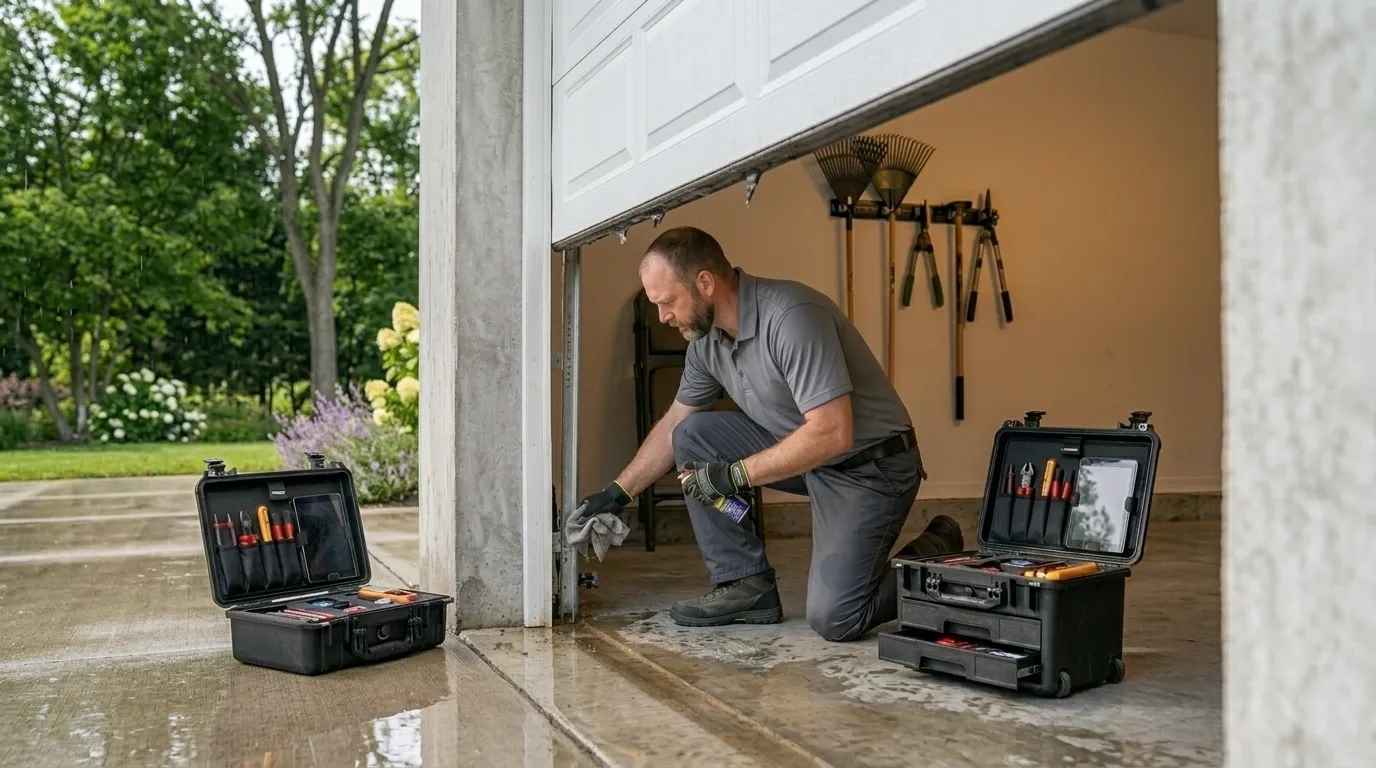
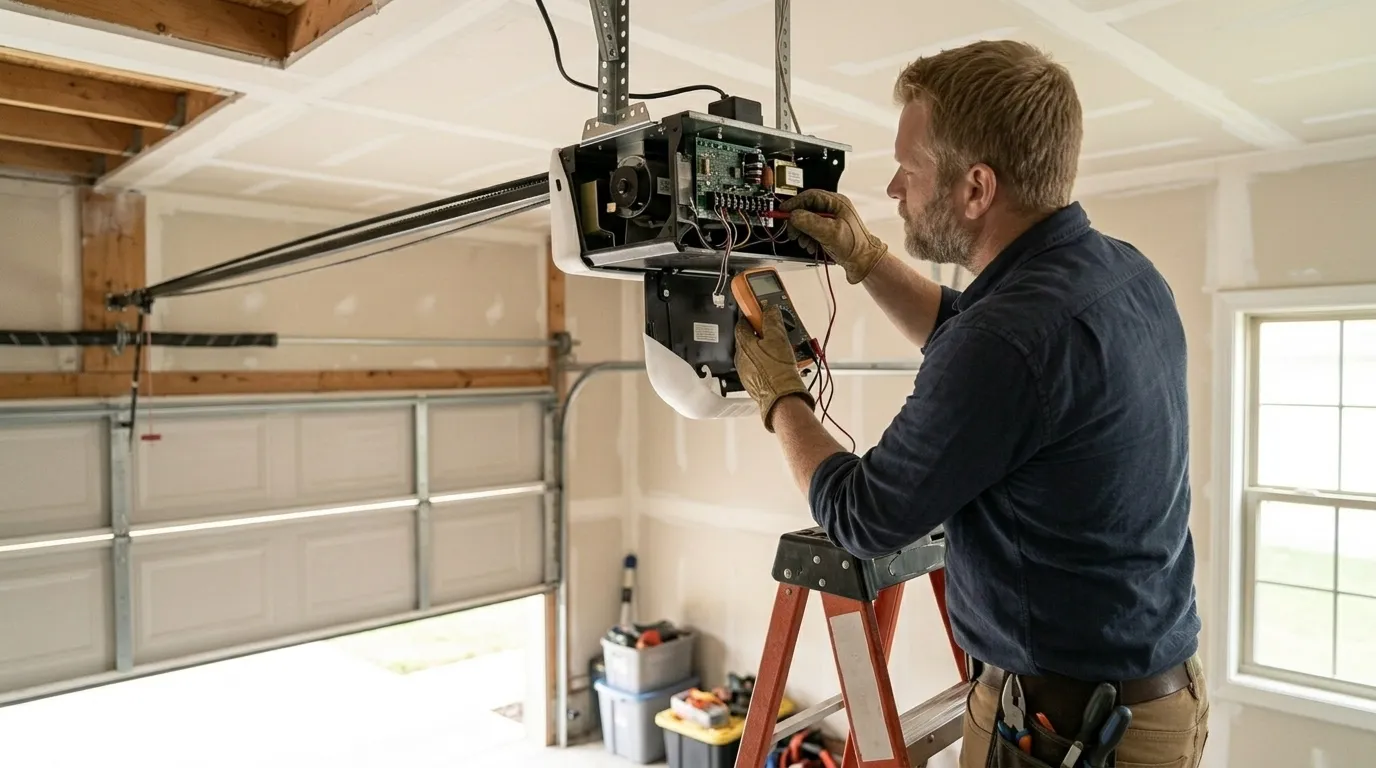
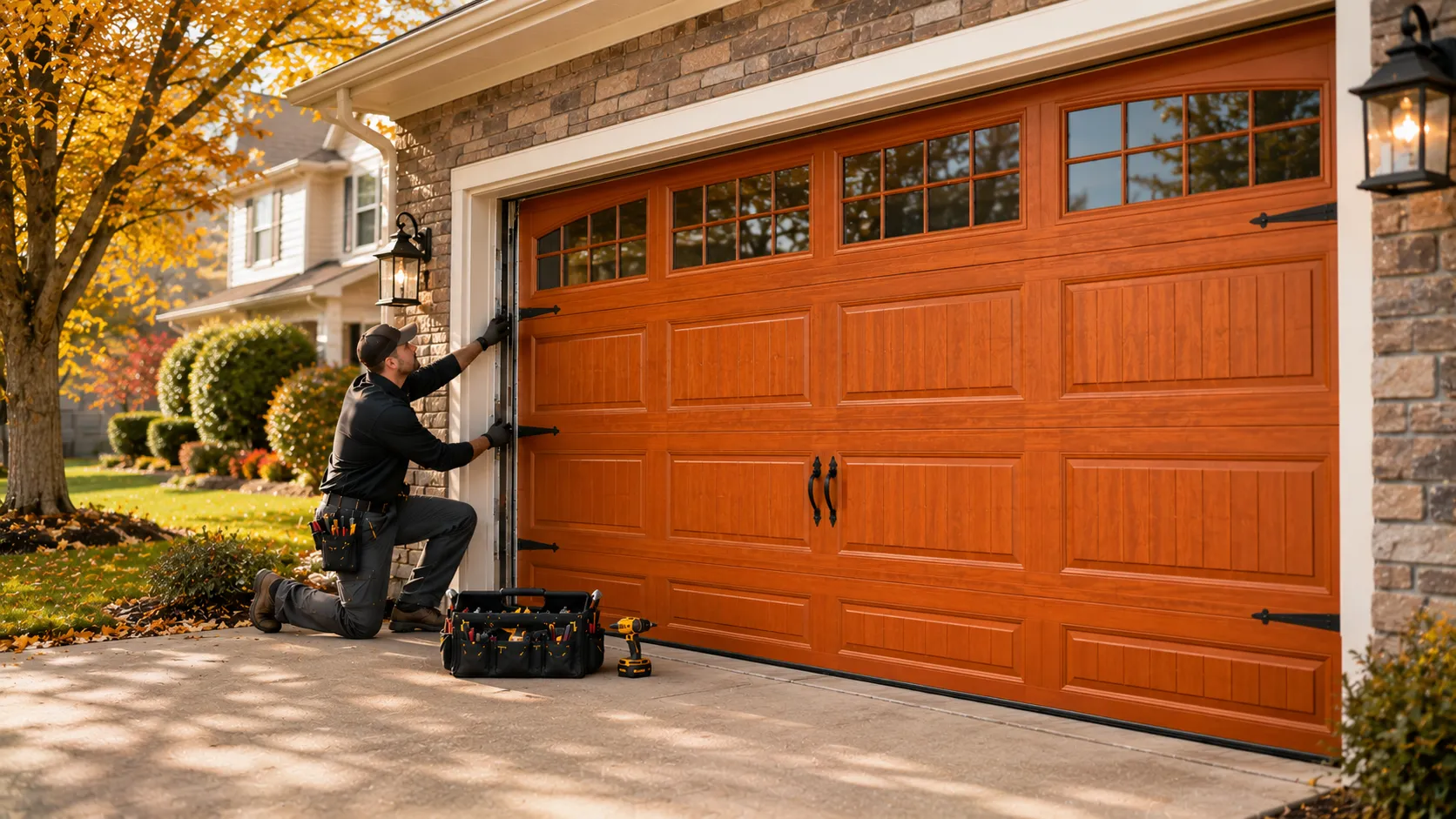
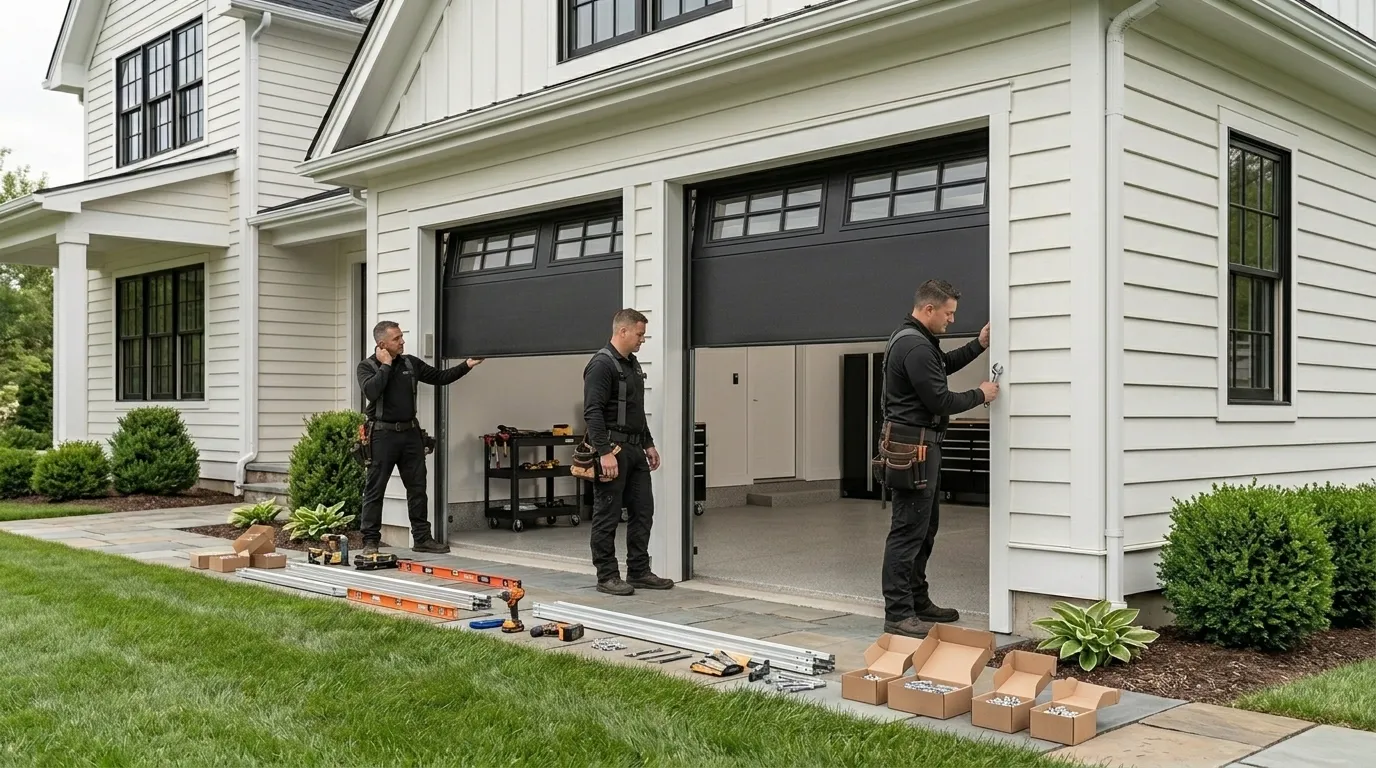
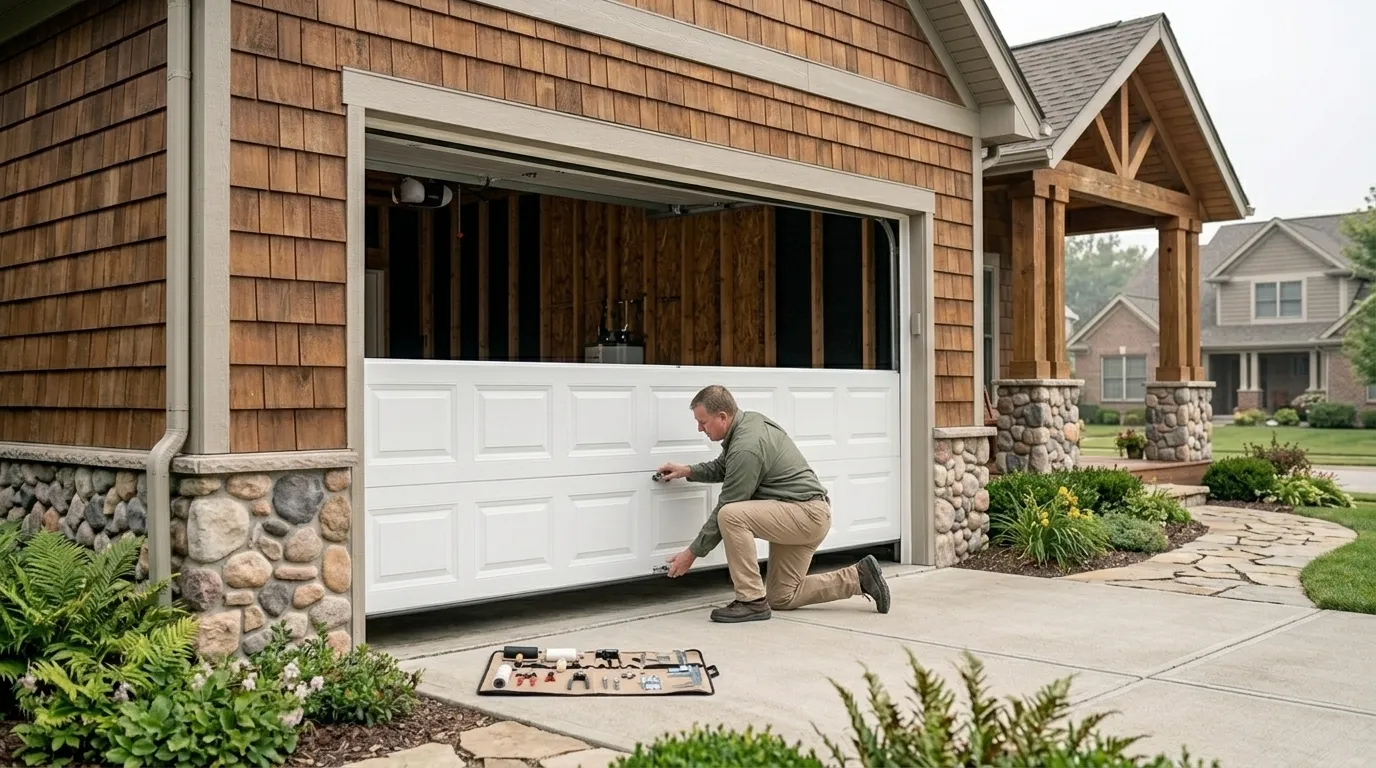
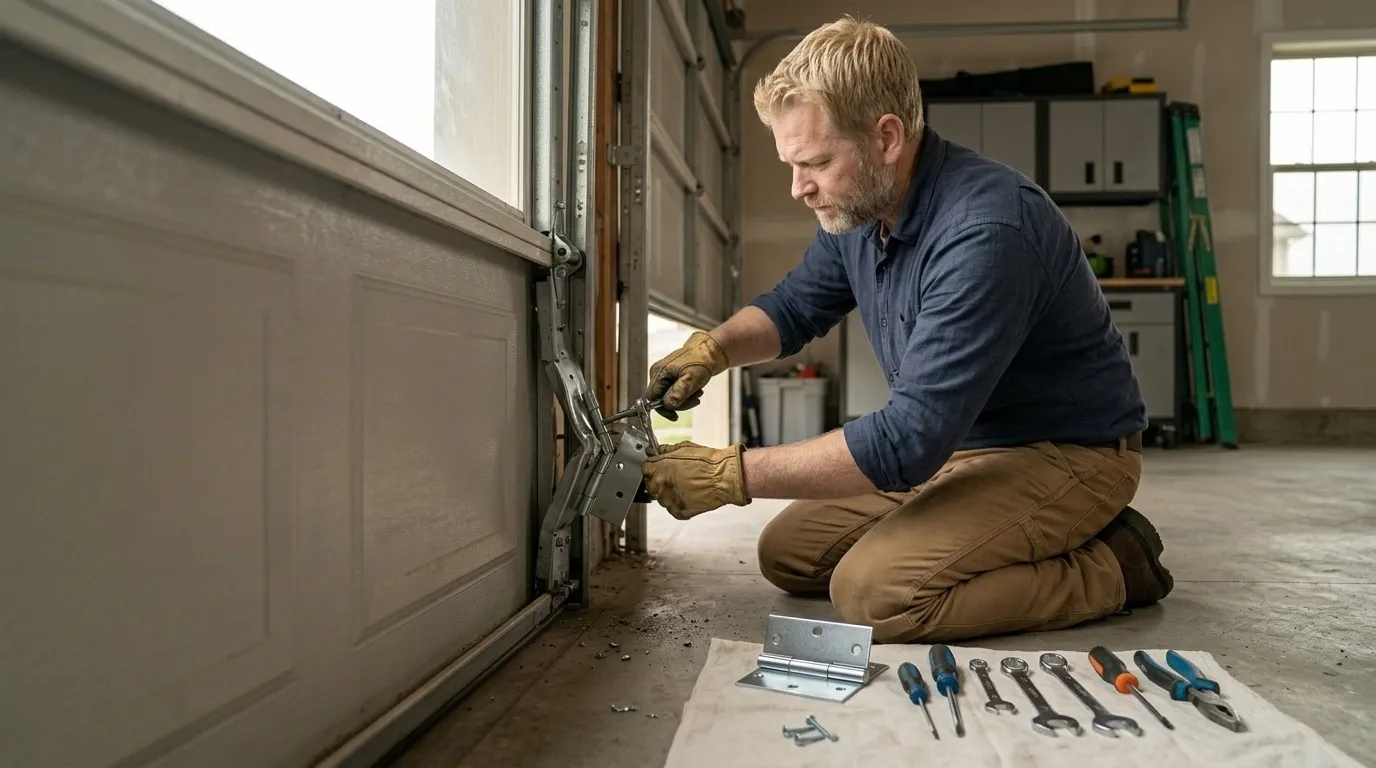
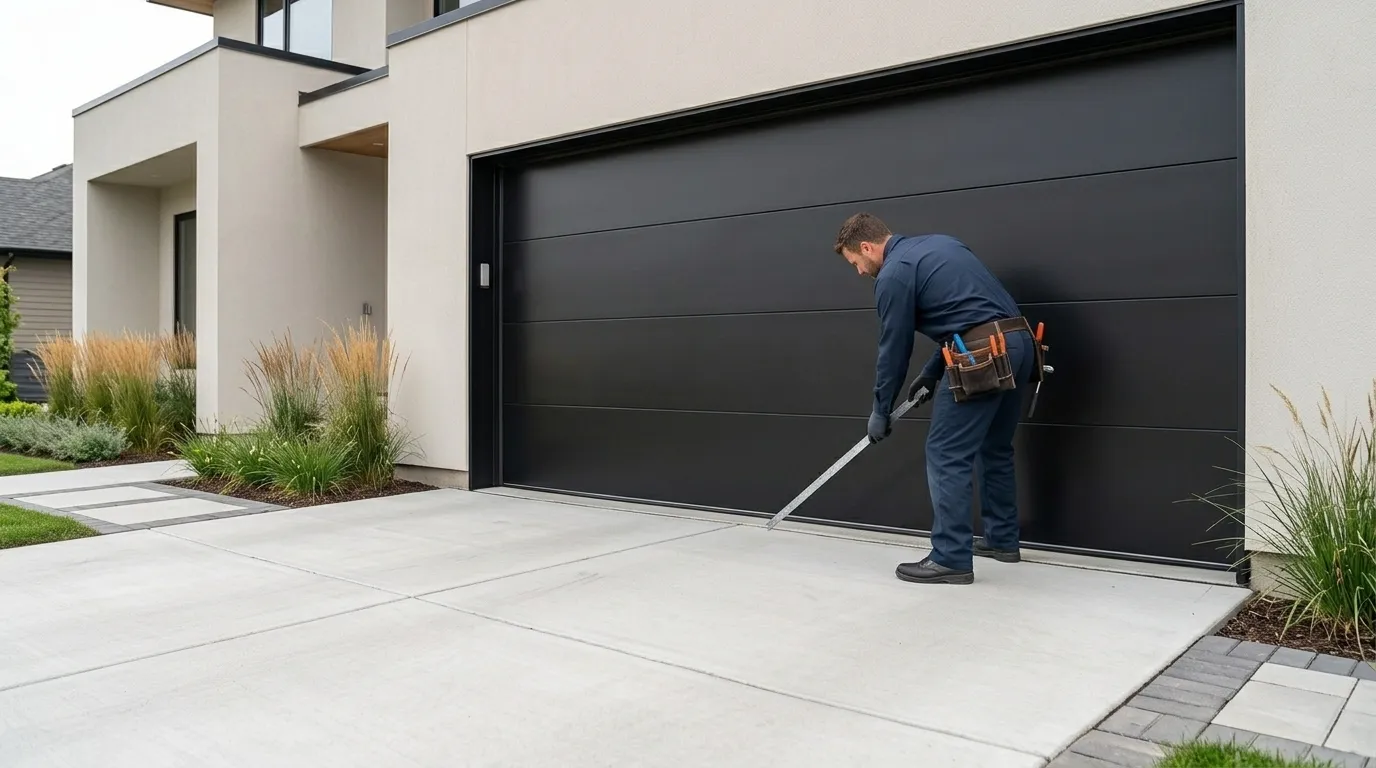
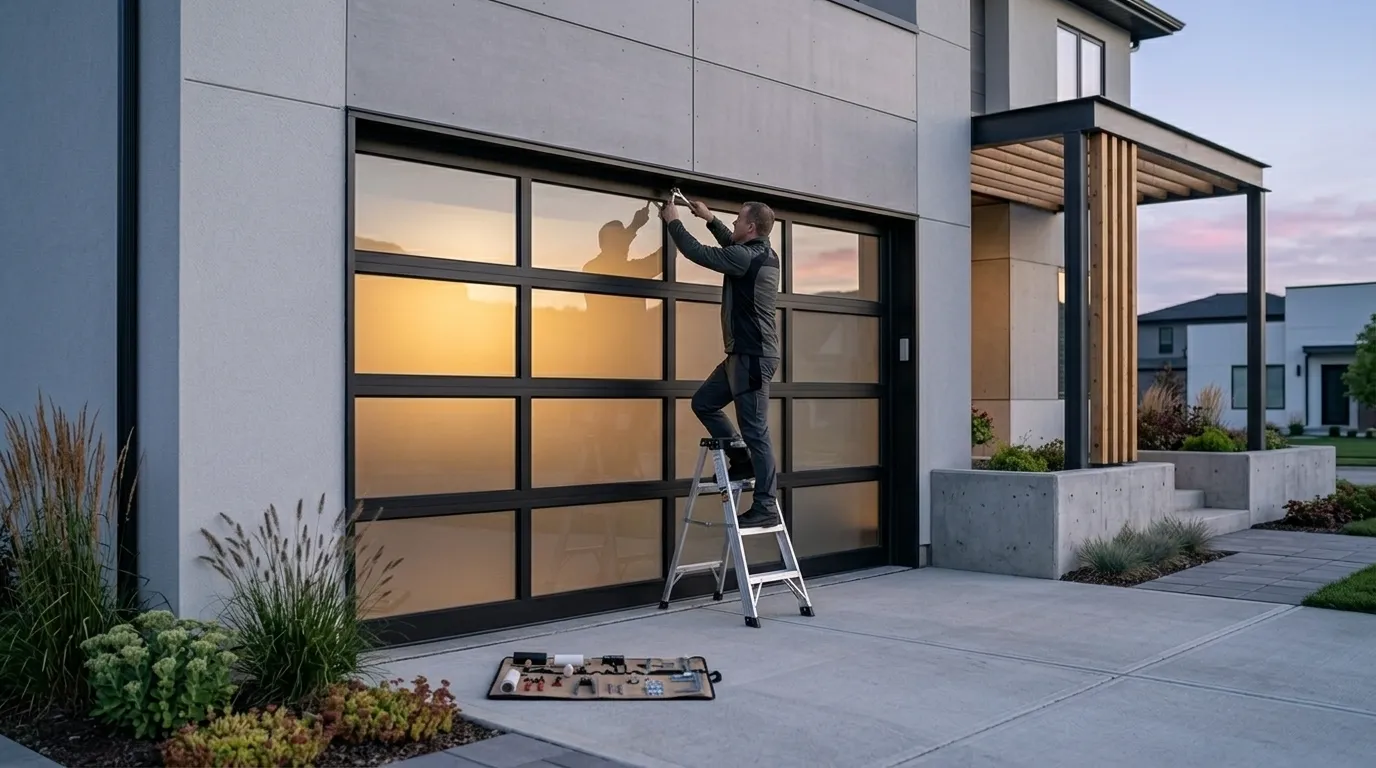
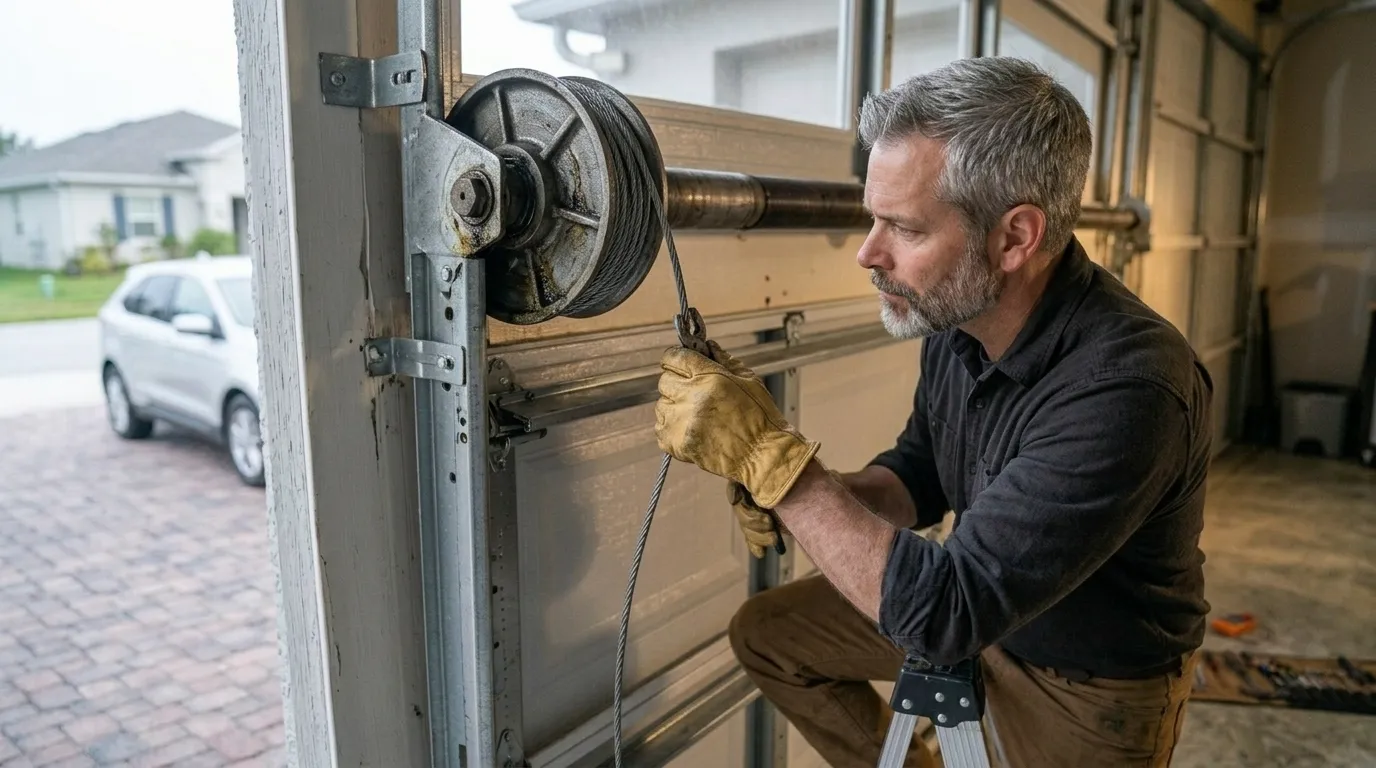
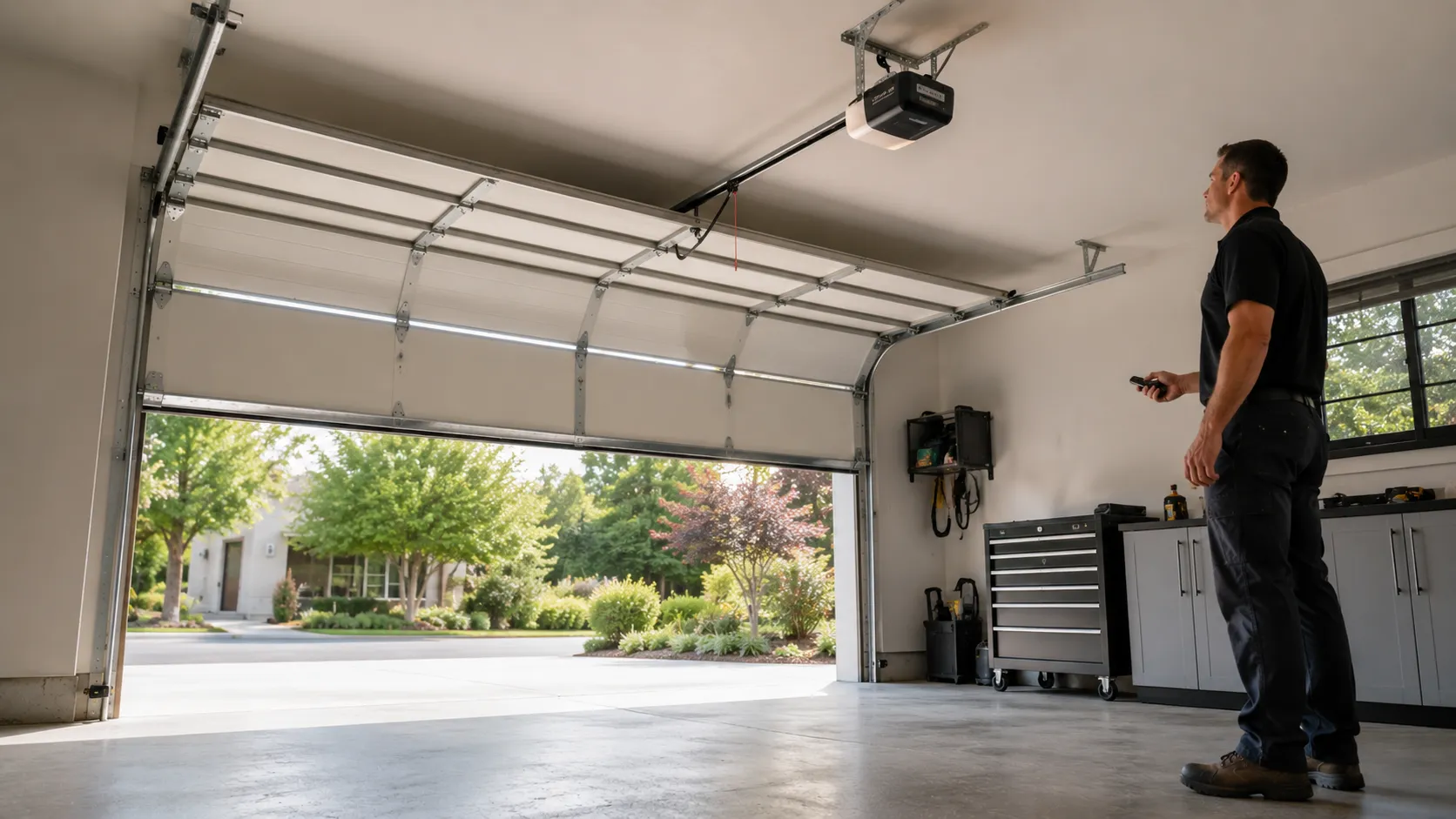
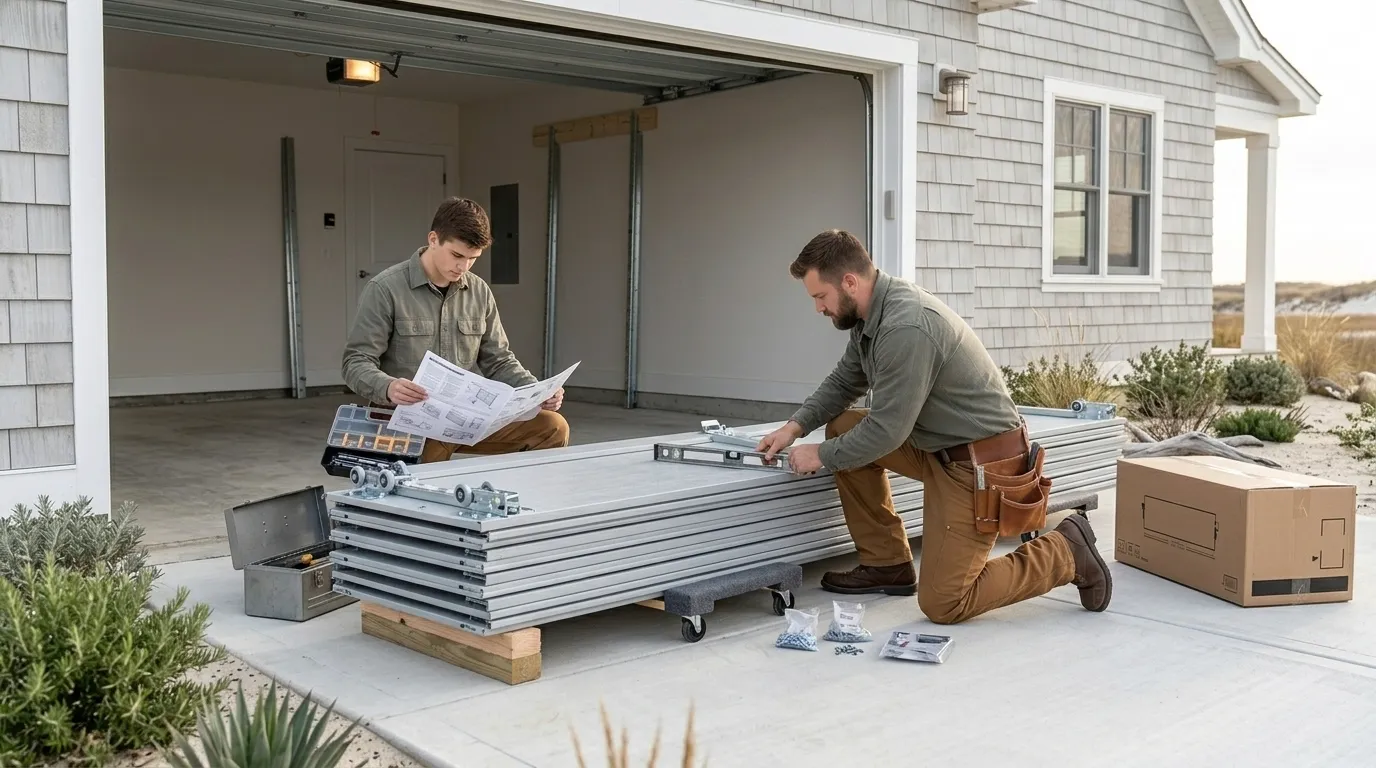
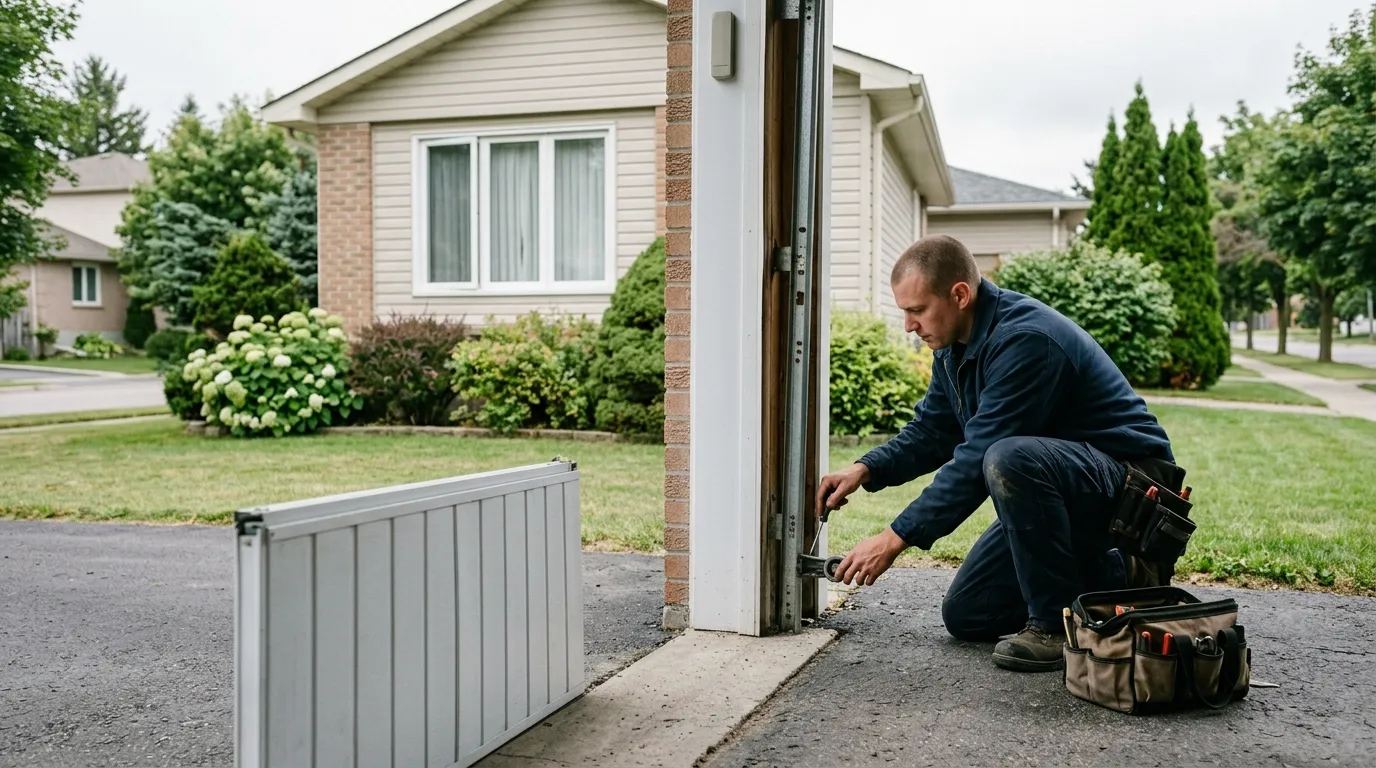
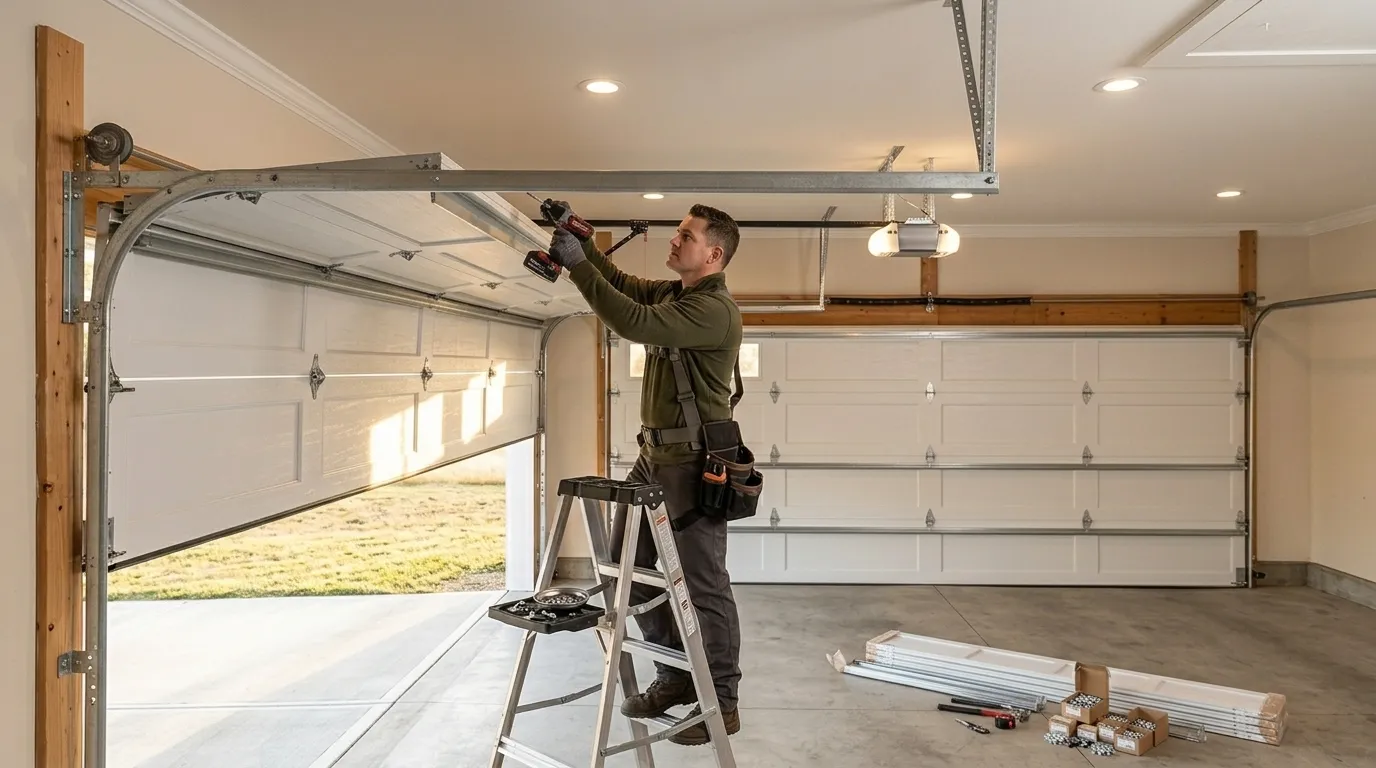
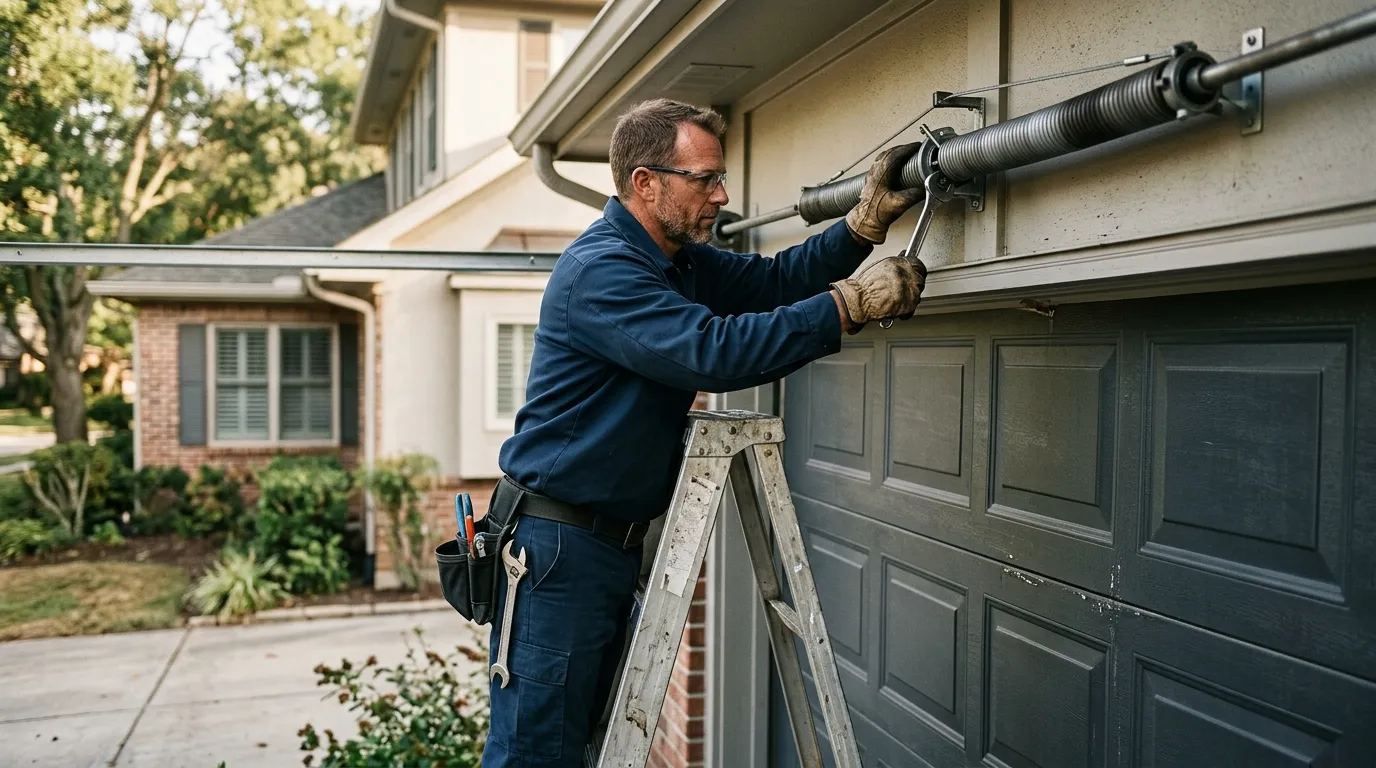
This part of Reno sits in a cold, severe climate band, and that shows up in the doors more than people expect. Cold makes steel springs brittle over years of cycling, and older nylon rollers on 1980s and 90s track systems crack rather than wear smooth. On houses toward the 1938-era end of the build range, we still find one-piece doors on side-mounted torsion hardware - parts that newer suppliers don't stock, so a repair sometimes means adapting a current part rather than matching the original exactly. On the newer end of the range, doors are more likely sectional with center-mounted torsion springs, which are easier to service and replace. We don't upgrade openers or insulation as a rule unless the door itself needs work - if your door is sound, we're not going to talk you into replacing it.
Where You Are
West University is about a mile southeast of central Reno, with Northeast Reno roughly three miles east and Northwest Reno about three miles west-southwest - so you're inside the denser core of the service area rather than out toward Sun Valley, Cold Springs, or Spanish Springs, which sit six to twelve miles out. That central position means shorter response distance for us, but it doesn't change what the houses need. The service area overall runs about 18,000 households and close to 11,800 owner-occupied houses, with a median household income around $102,600 - context that tells us people here tend to fix rather than defer, but it's not a substitute for knowing your actual door and spring setup.