What Is Built Here
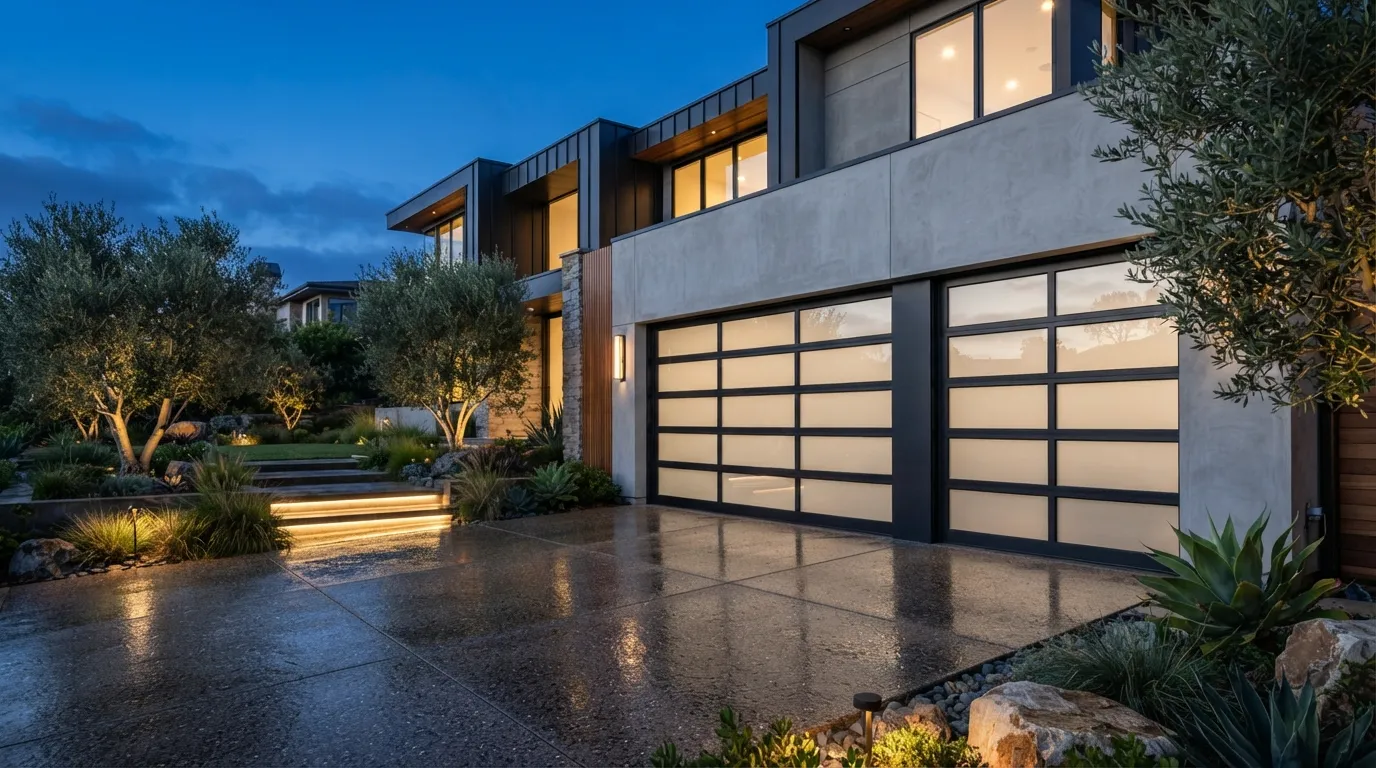
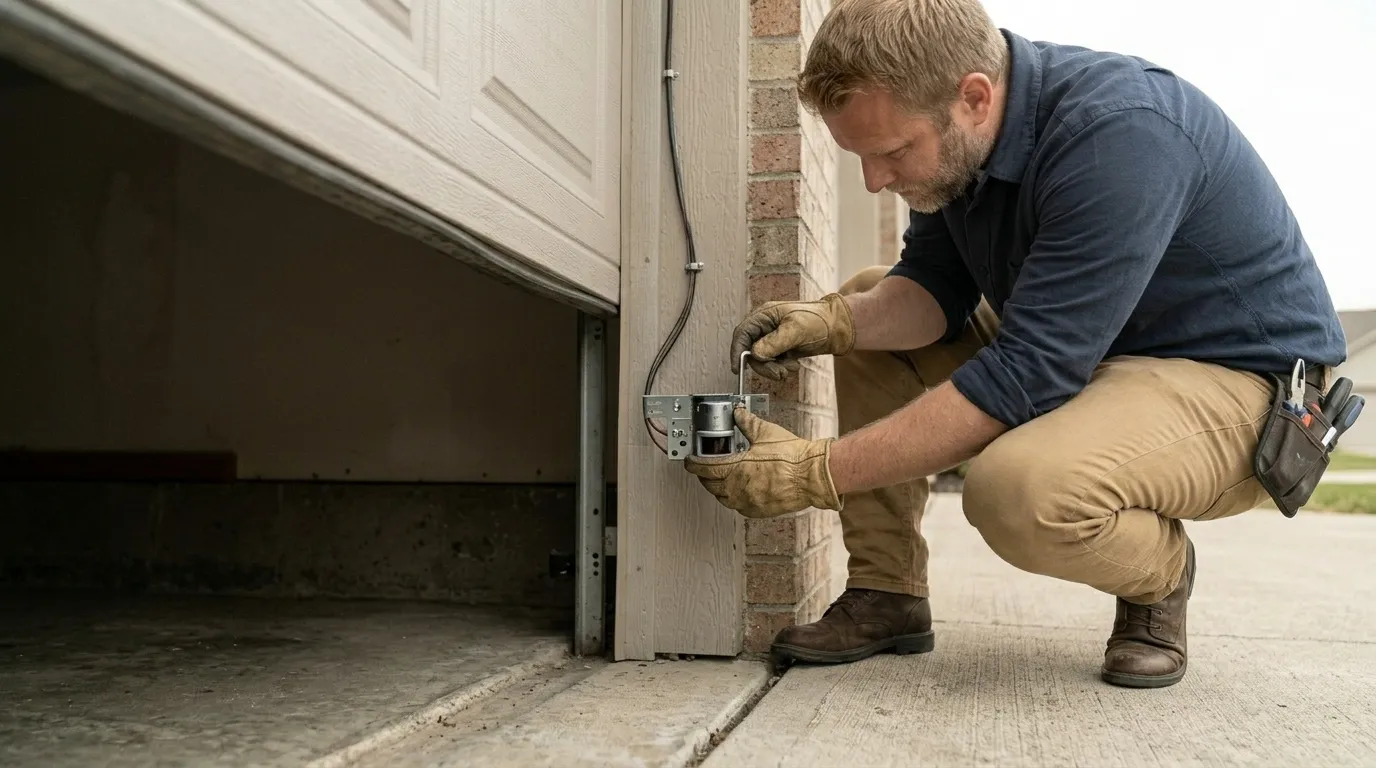
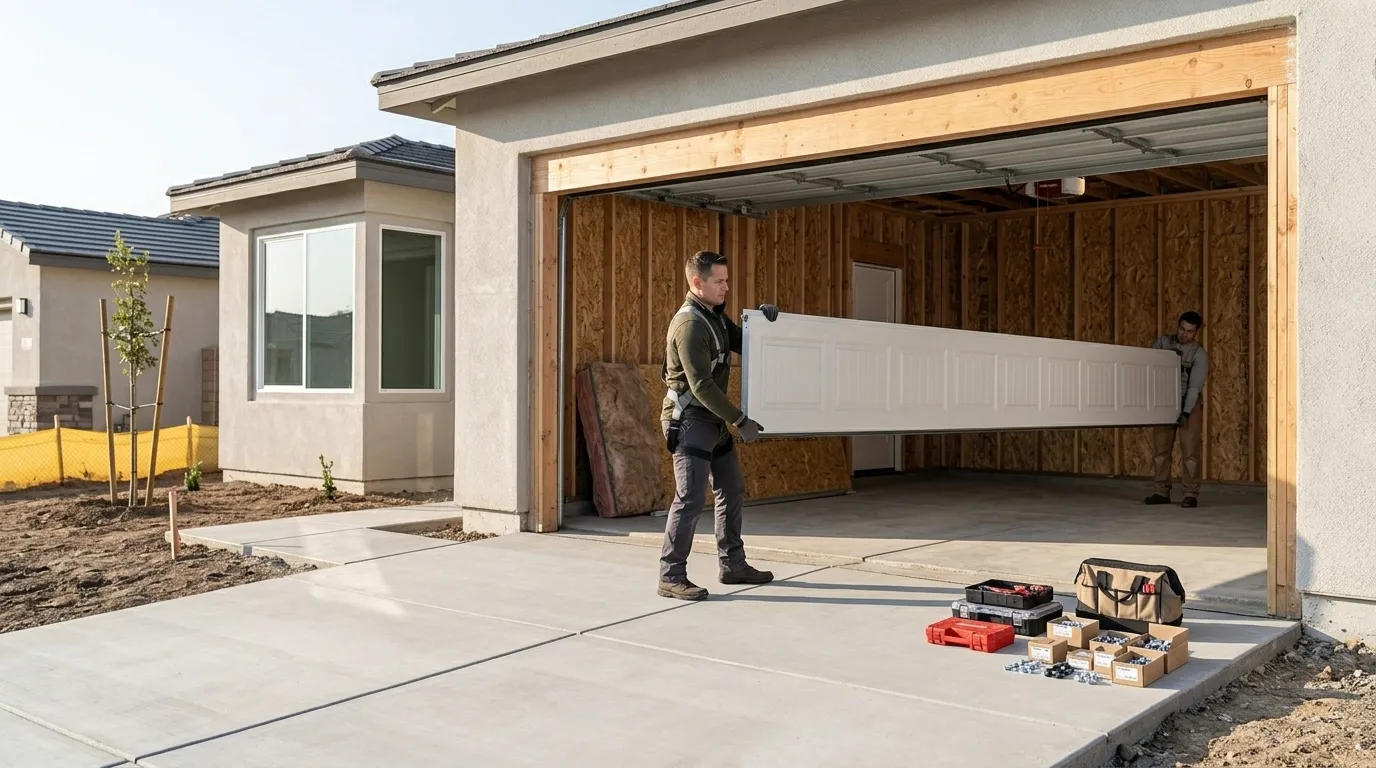
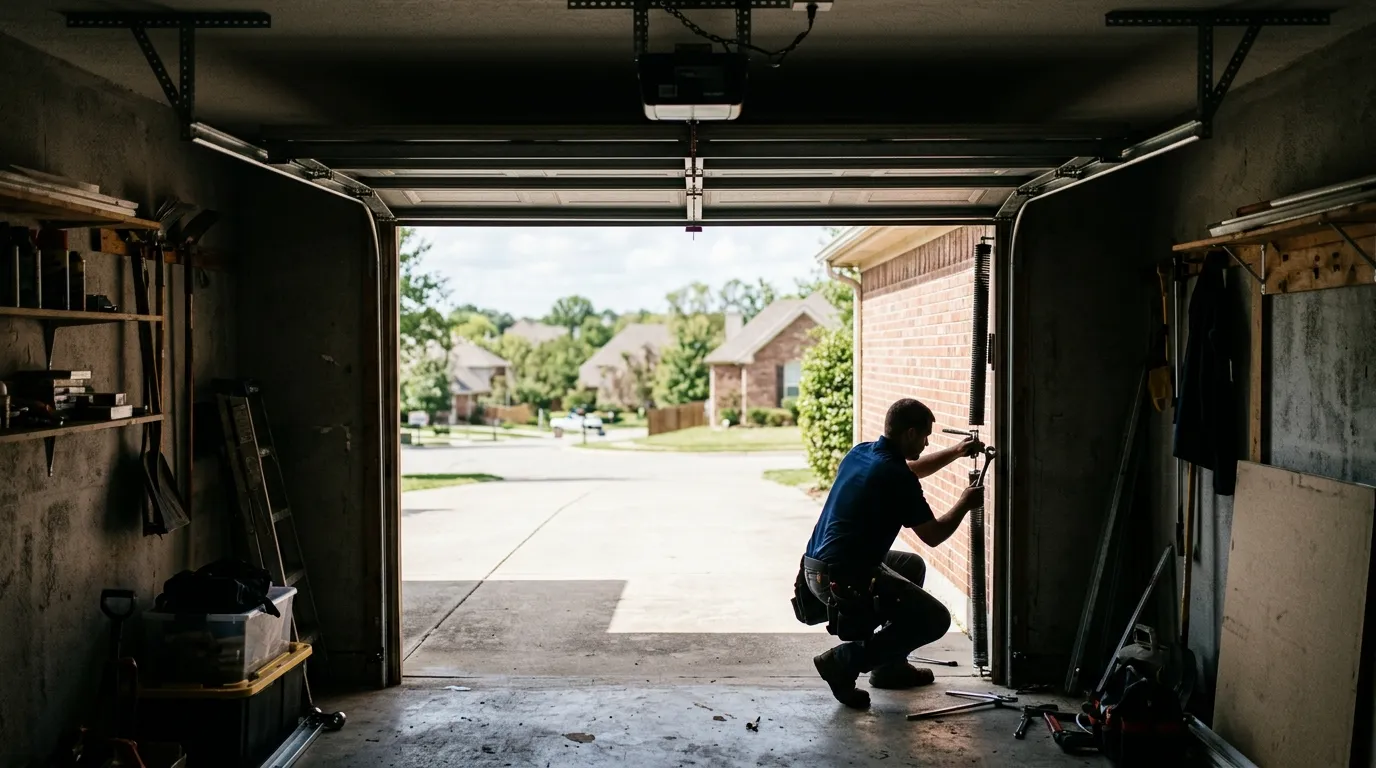
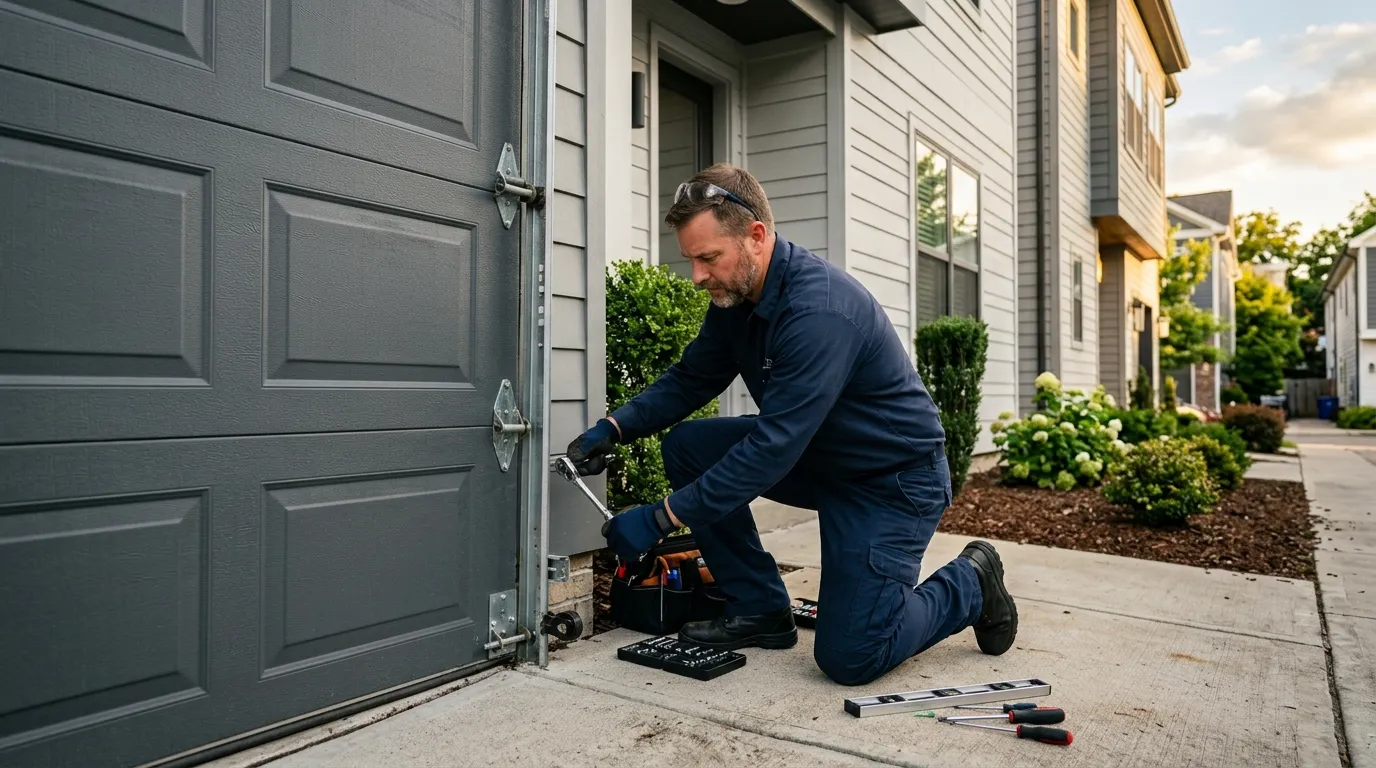
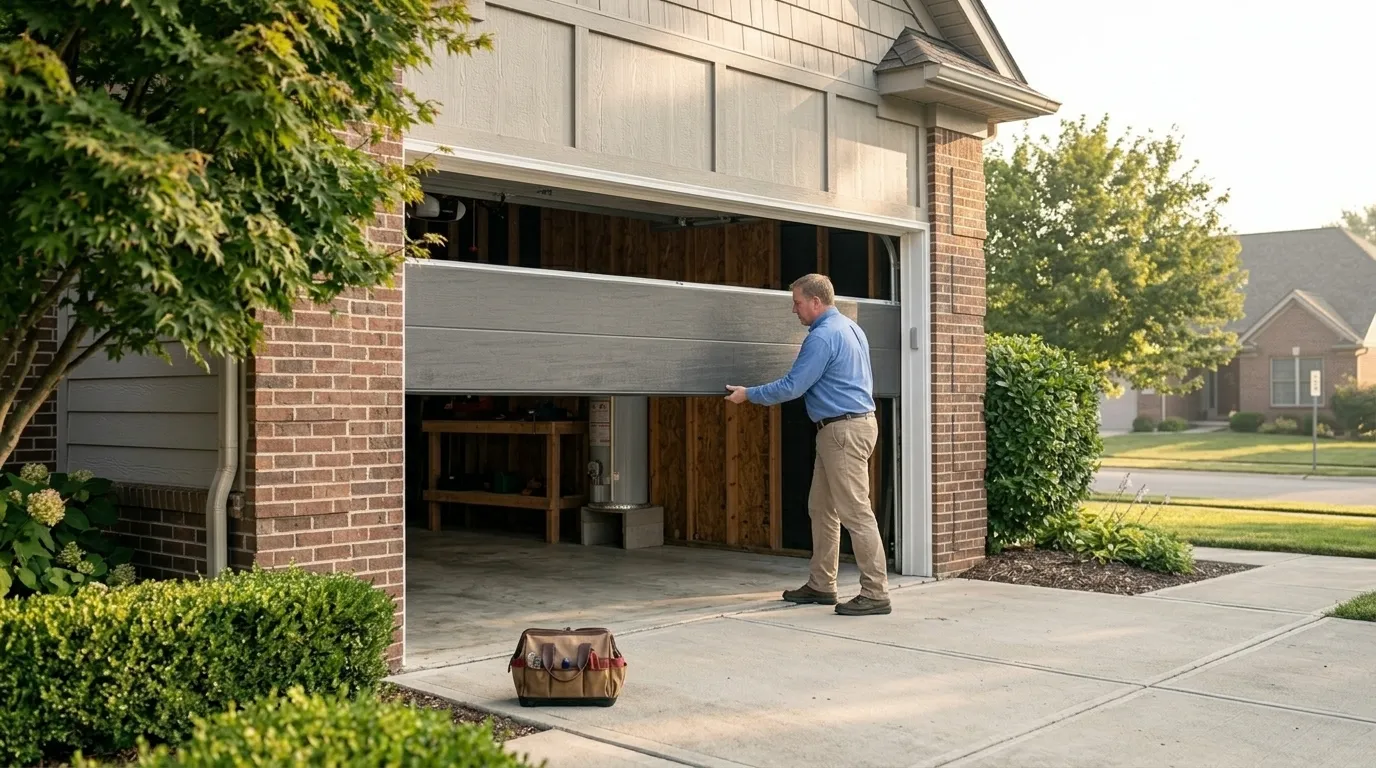
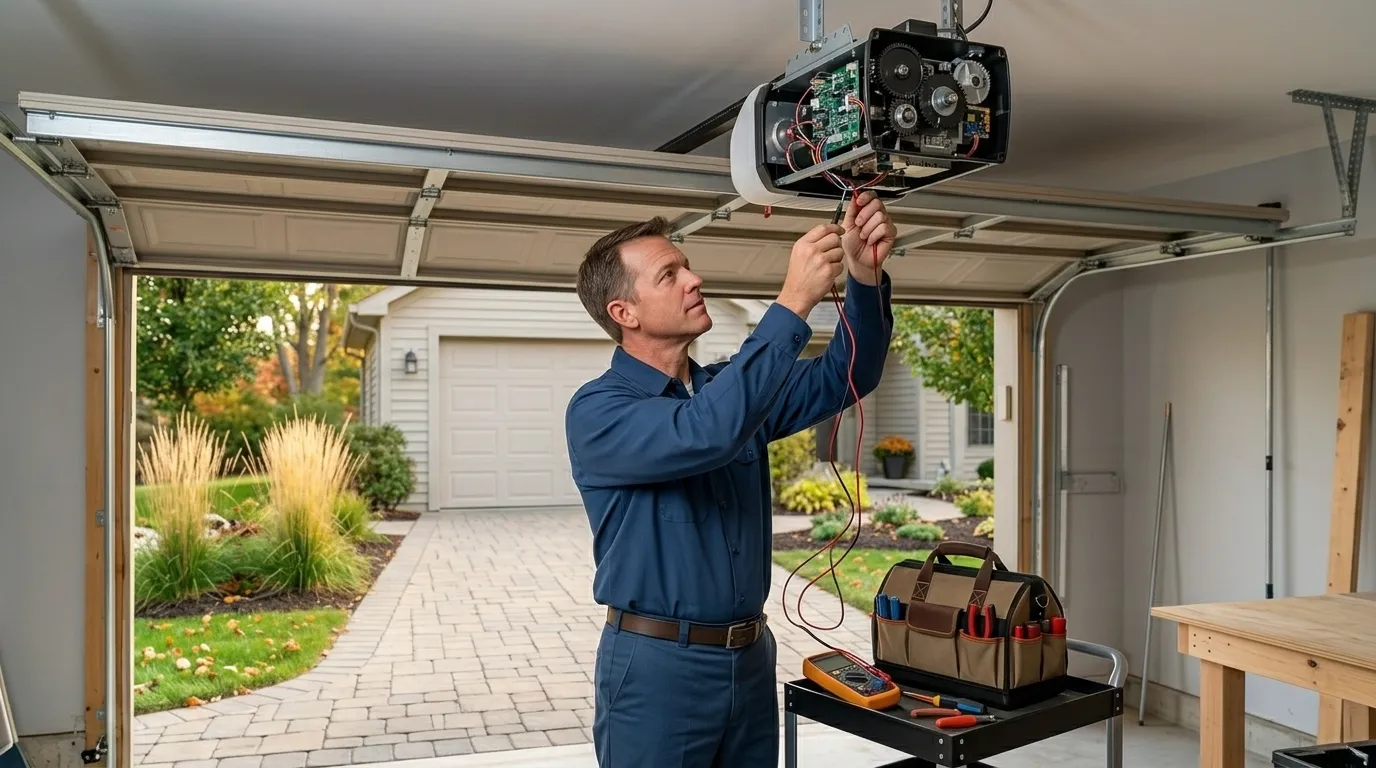
Northeast Reno sits inside a service area where housing runs from 1938 up through 2003, with the median build year landing around 1989. That means most of the doors we see out here are original steel sectional doors on extension or torsion springs sized for a builder-grade opener from the late 80s or 90s, not the heavier insulated doors going into new construction today. A lot of these openers are chain-drive units that have never been serviced, which is normal for a house this age but it also means the gears and drive components are past their expected life on plenty of jobs. We're not guessing at this - it's what the housing stock across the five main areas we work in actually looks like, and Northeast Reno's mix matches that pattern closely. If your house was built in that window, the spring on your door was probably sized for the original door weight, not for whatever insulated replacement panel a previous owner may have swapped in. That mismatch is one of the more common reasons a door starts binding or reversing early, and it's worth checking even if nothing sounds broken yet.
What the Doors Are Like
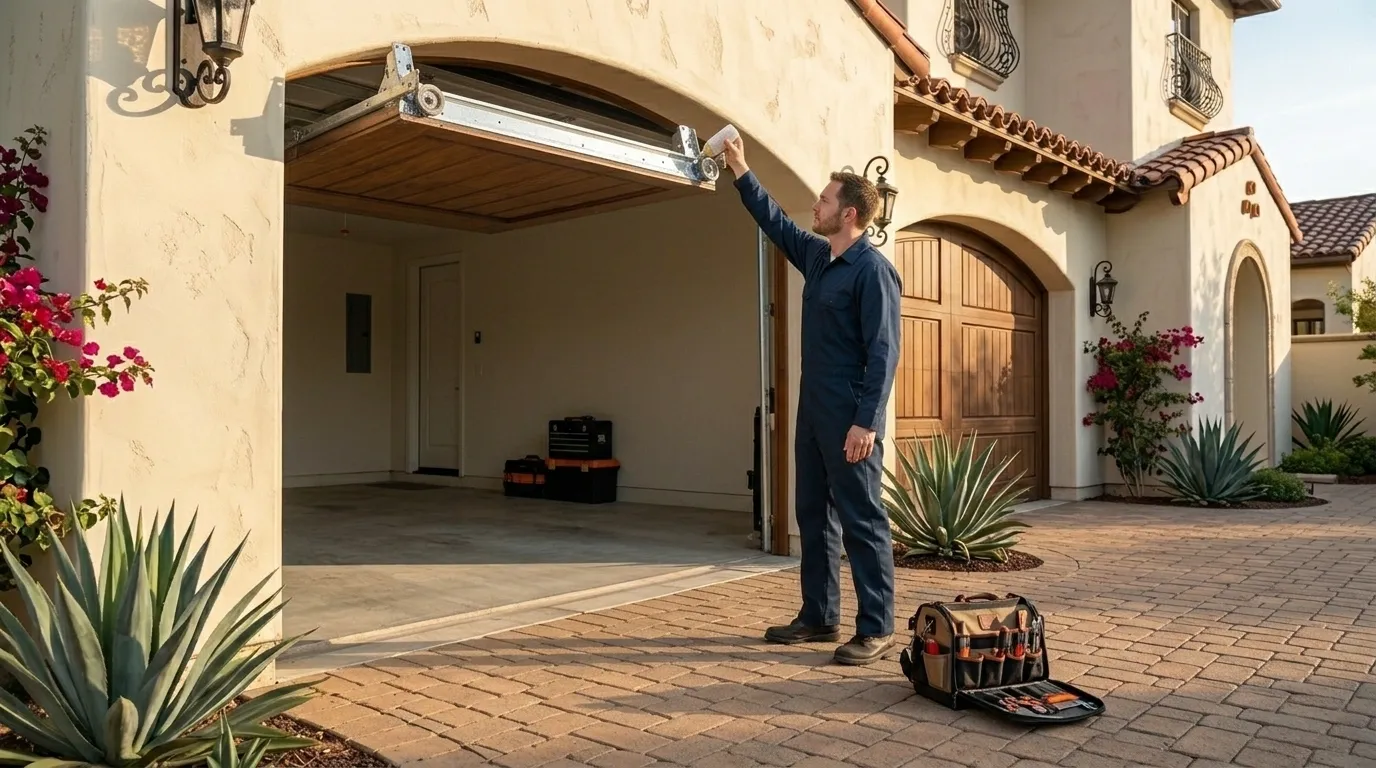
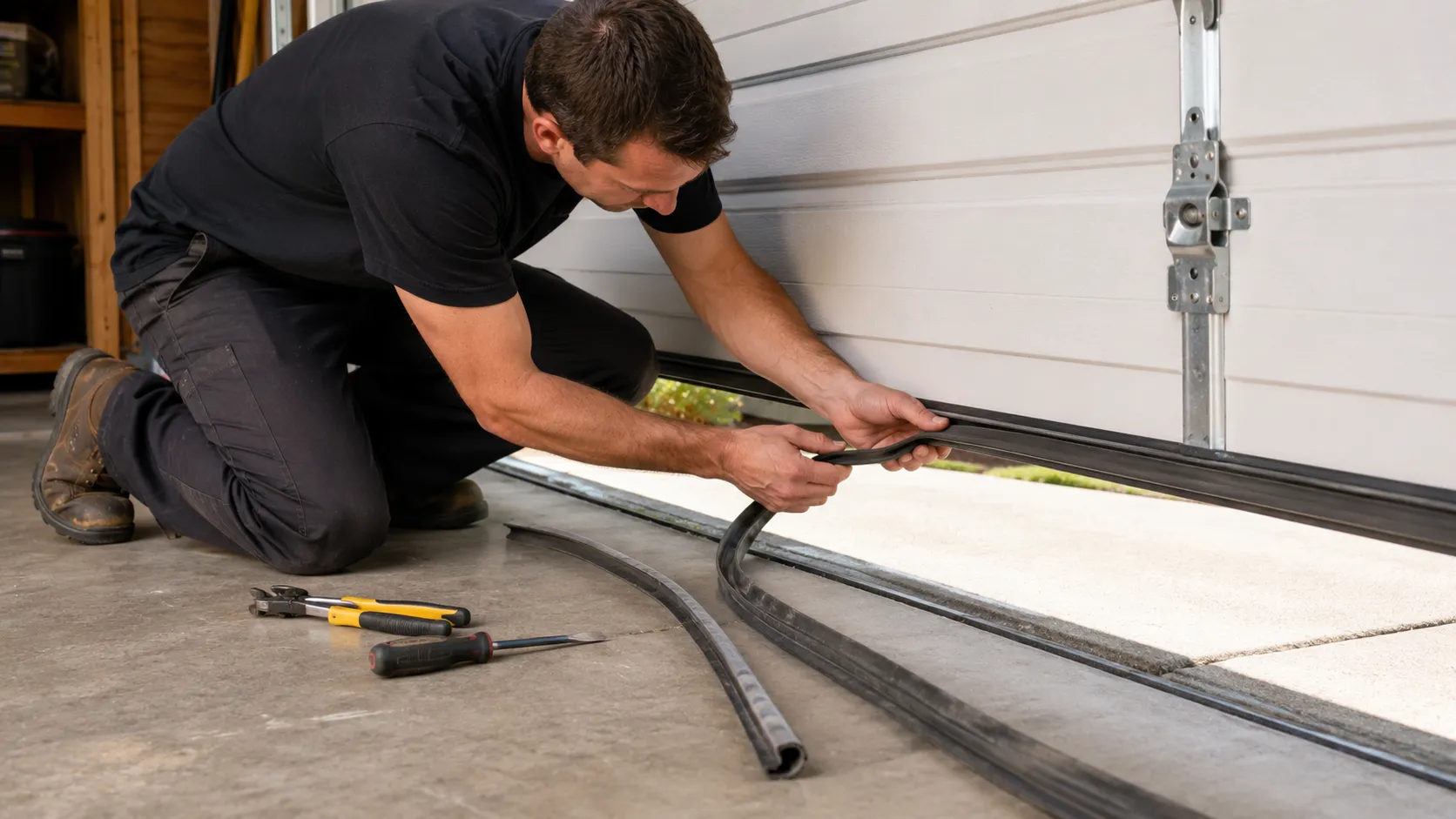
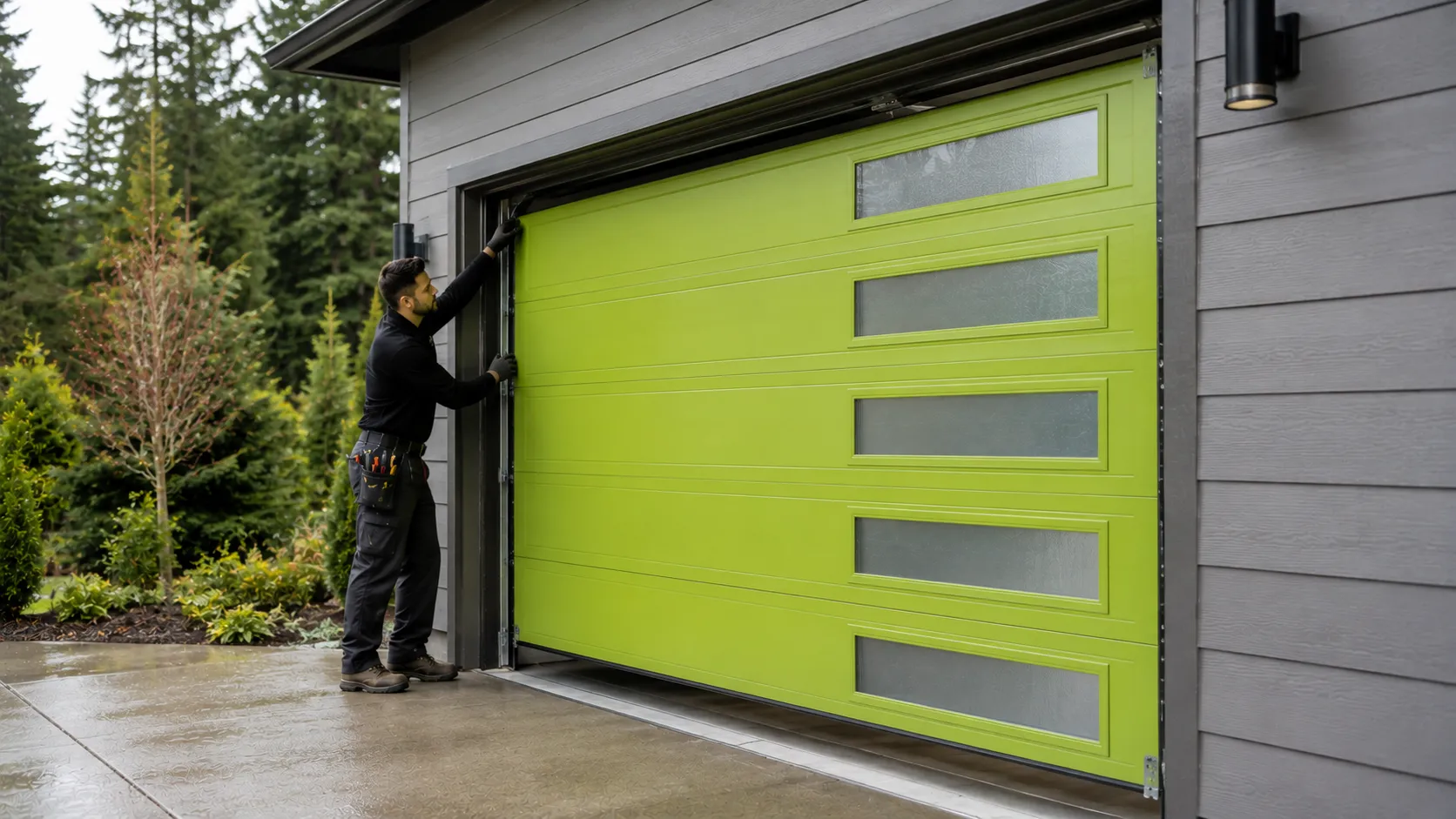
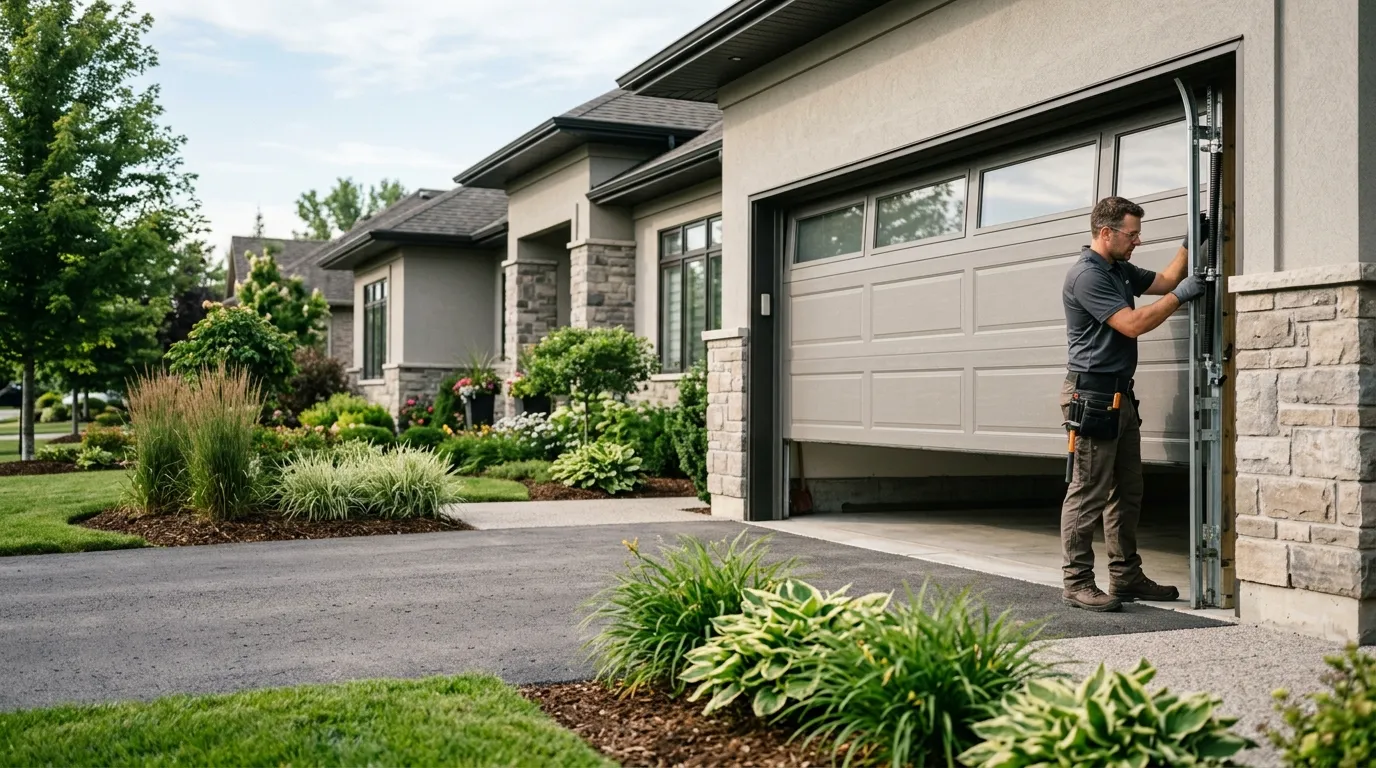
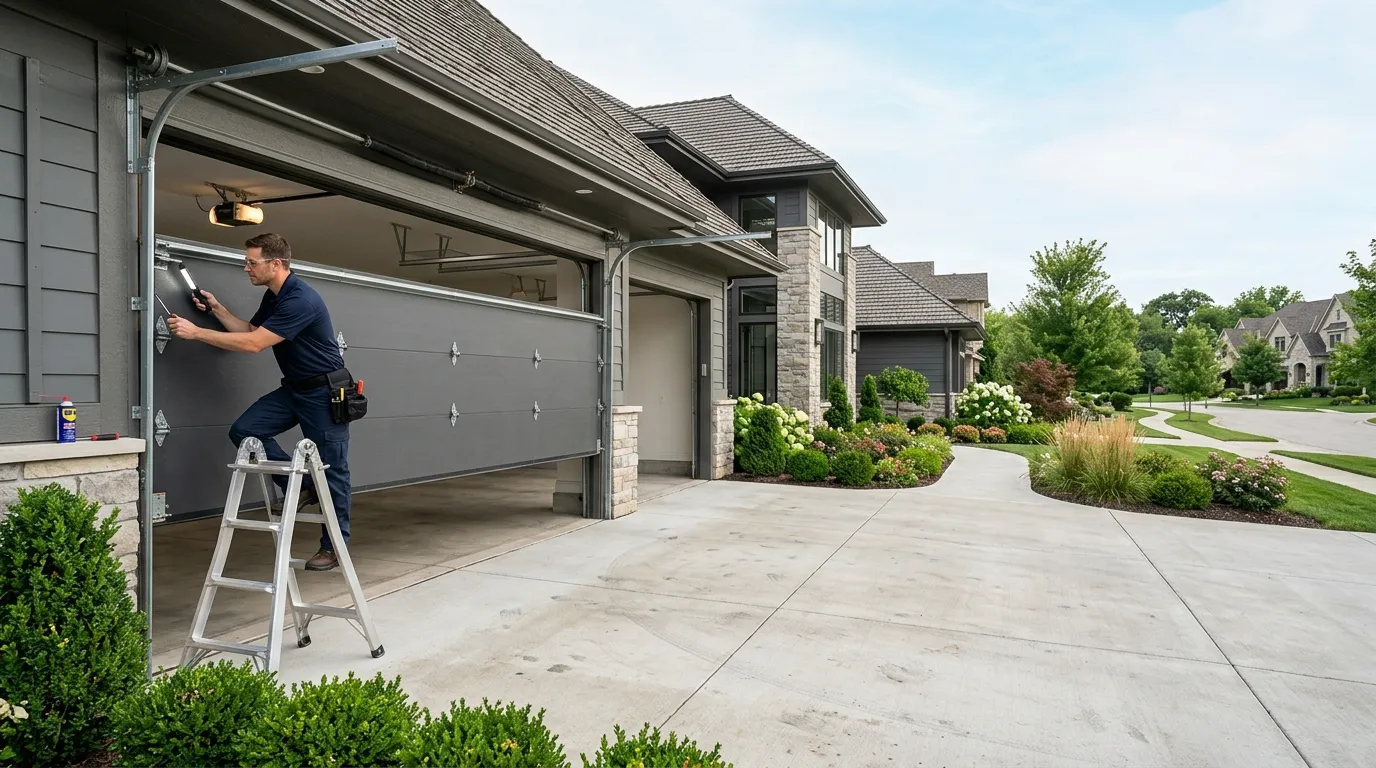
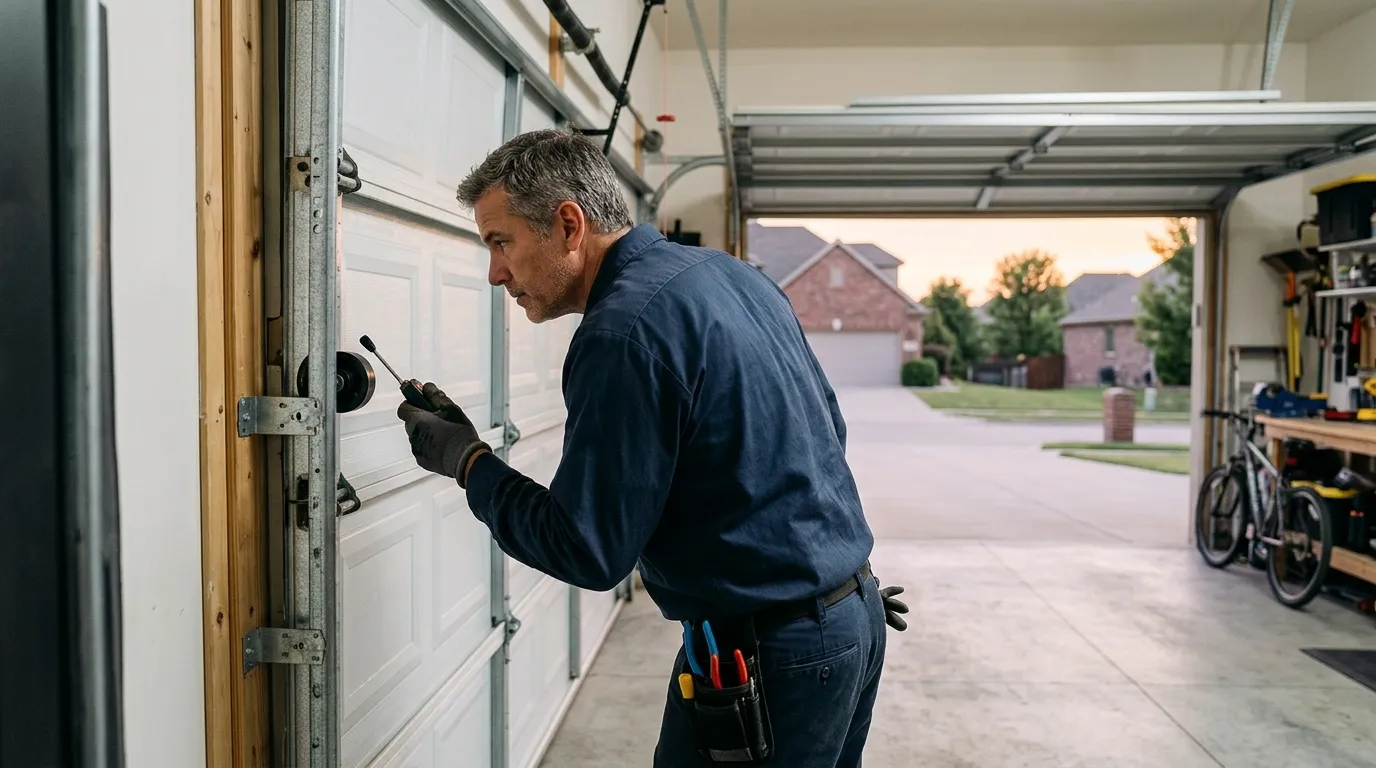
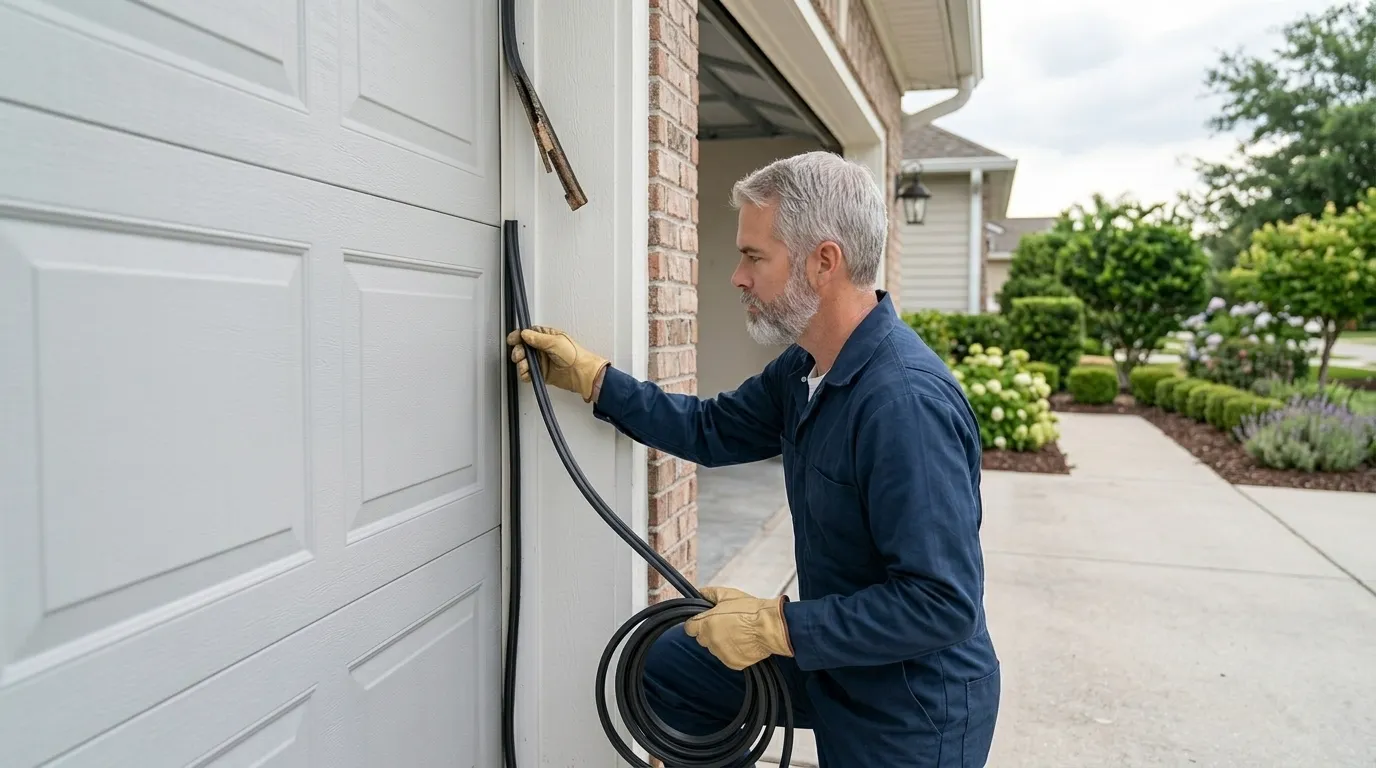
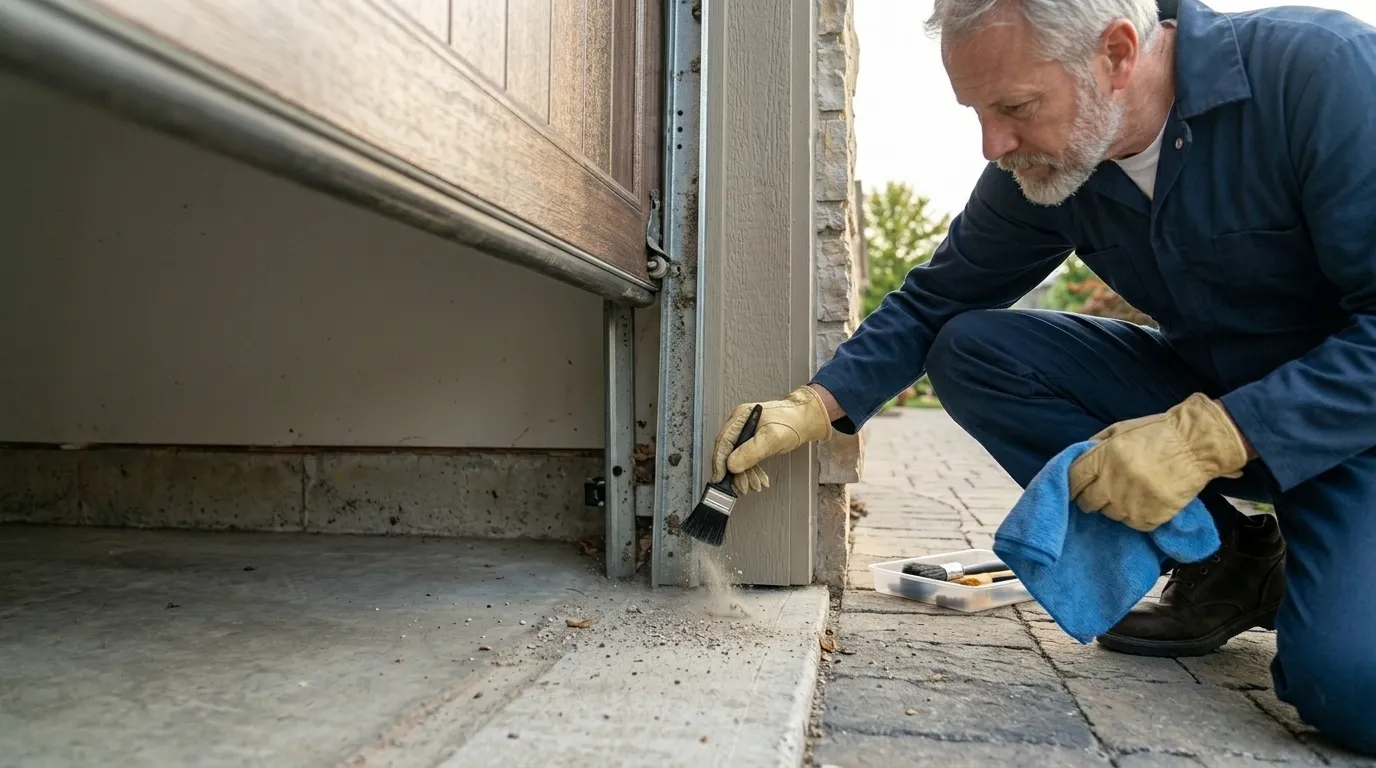
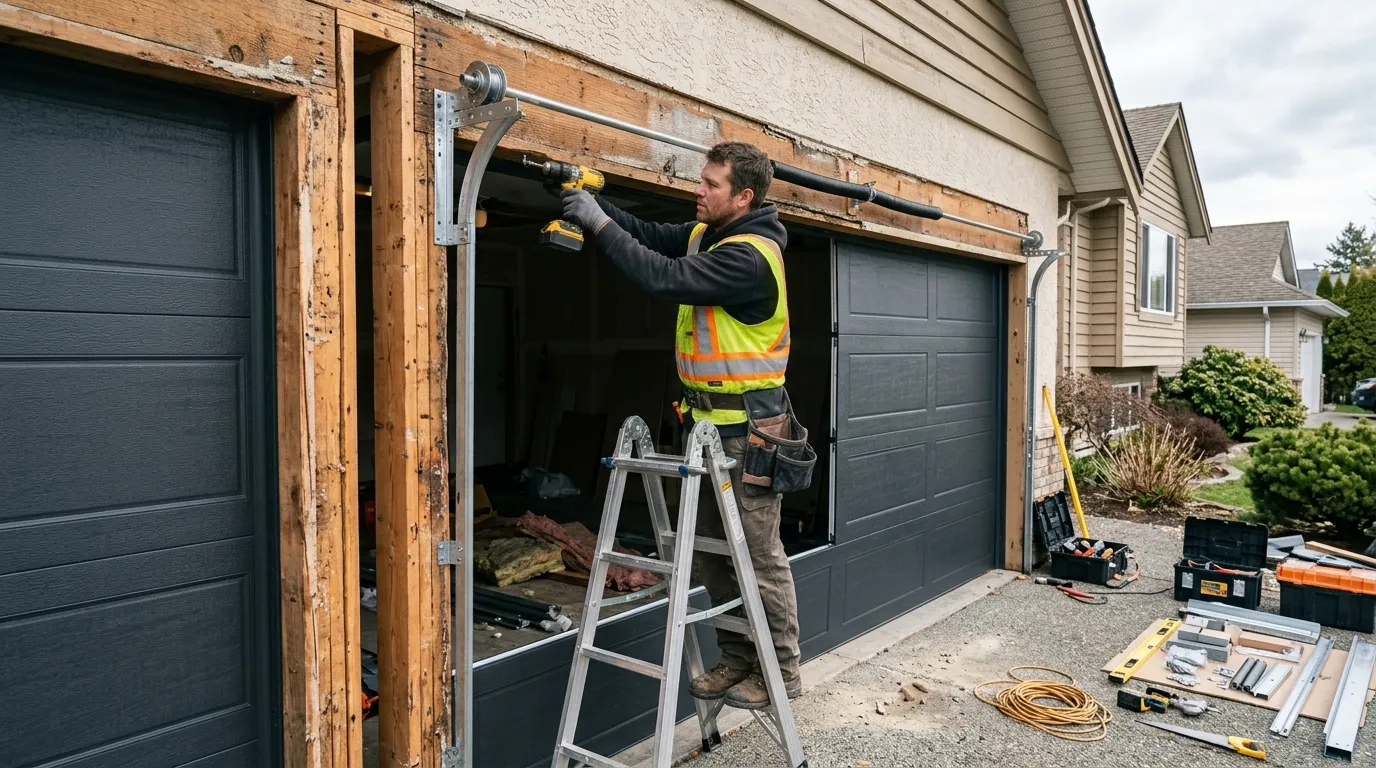
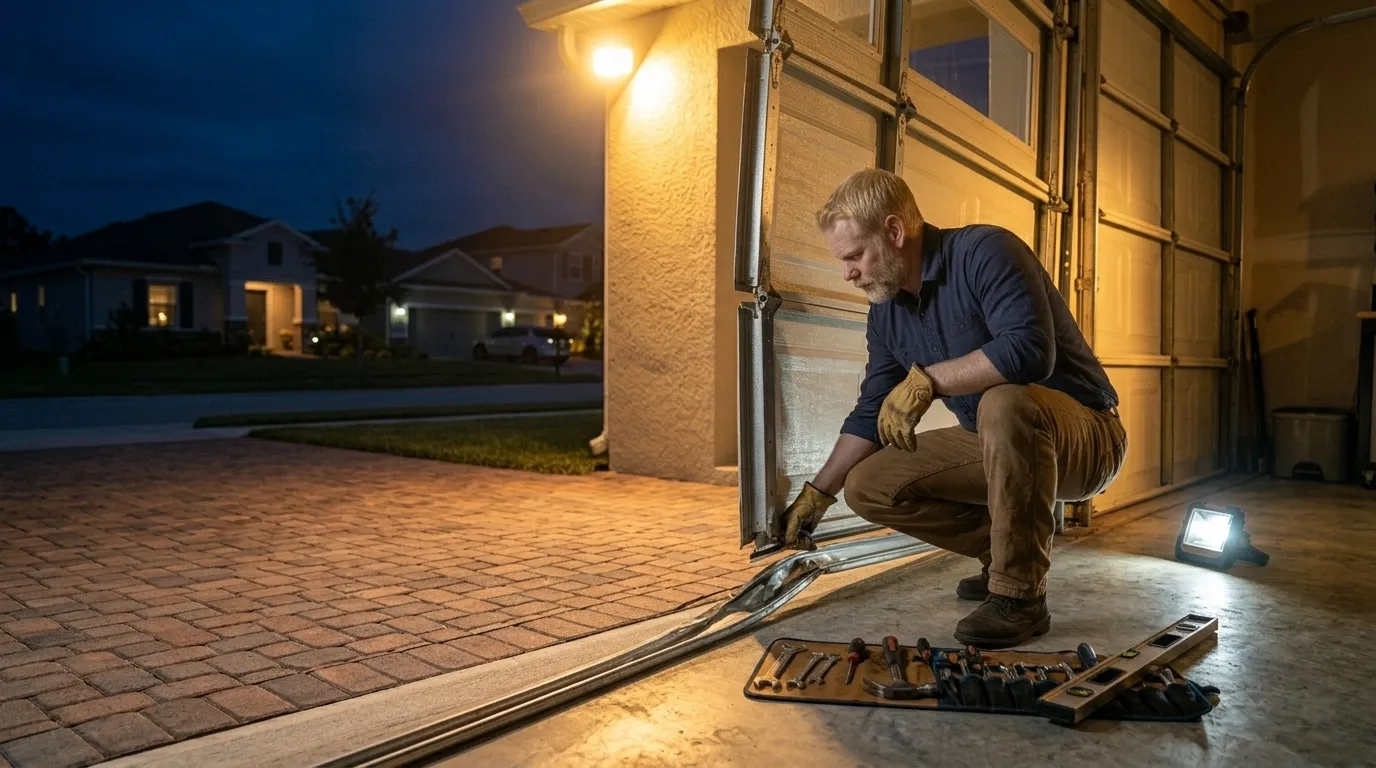
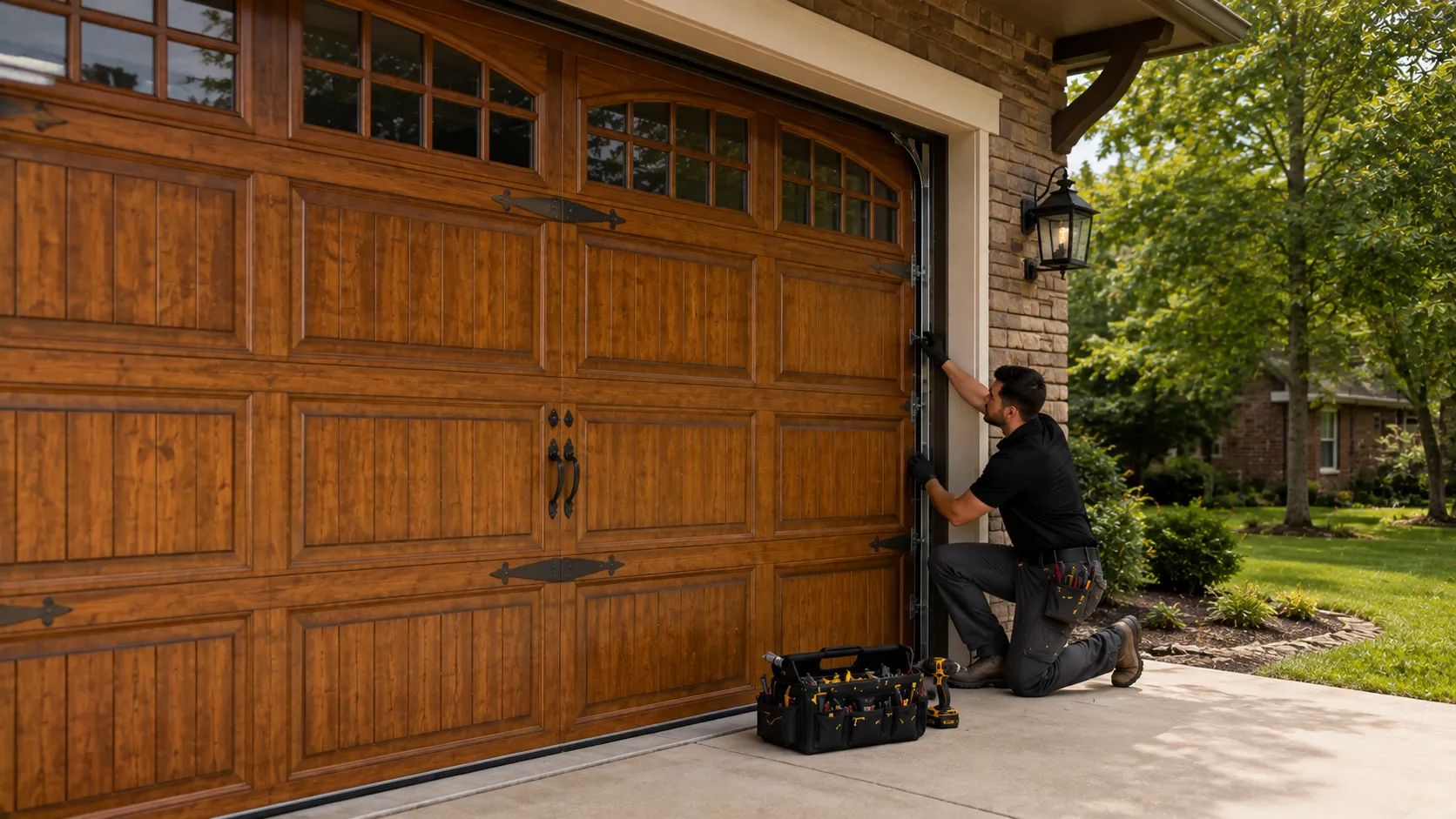
With a build era running from 1938 to 2003 and most of the stock landing in the 1980s and 90s, Northeast Reno doors are typically 16-foot steel sectional units, non-insulated or lightly insulated, on torsion springs mounted above the opening. Reno's winter cold is classified as a severe cold climate band, and that matters more for openers and springs than most people expect - cold steel gets brittle faster, and a torsion spring already near the end of its cycle life is more likely to let go on a cold morning than in July. Rollers on doors this age are often the original nylon or steel type, which get noisy and eventually crack after two to three decades of daily cycles. None of this means every door needs replacing. A lot of these are solid doors that just need a spring swap, new rollers, or a cable, and we'll tell you that instead of pushing a full replacement when the door itself still has life in it.
Where You Are
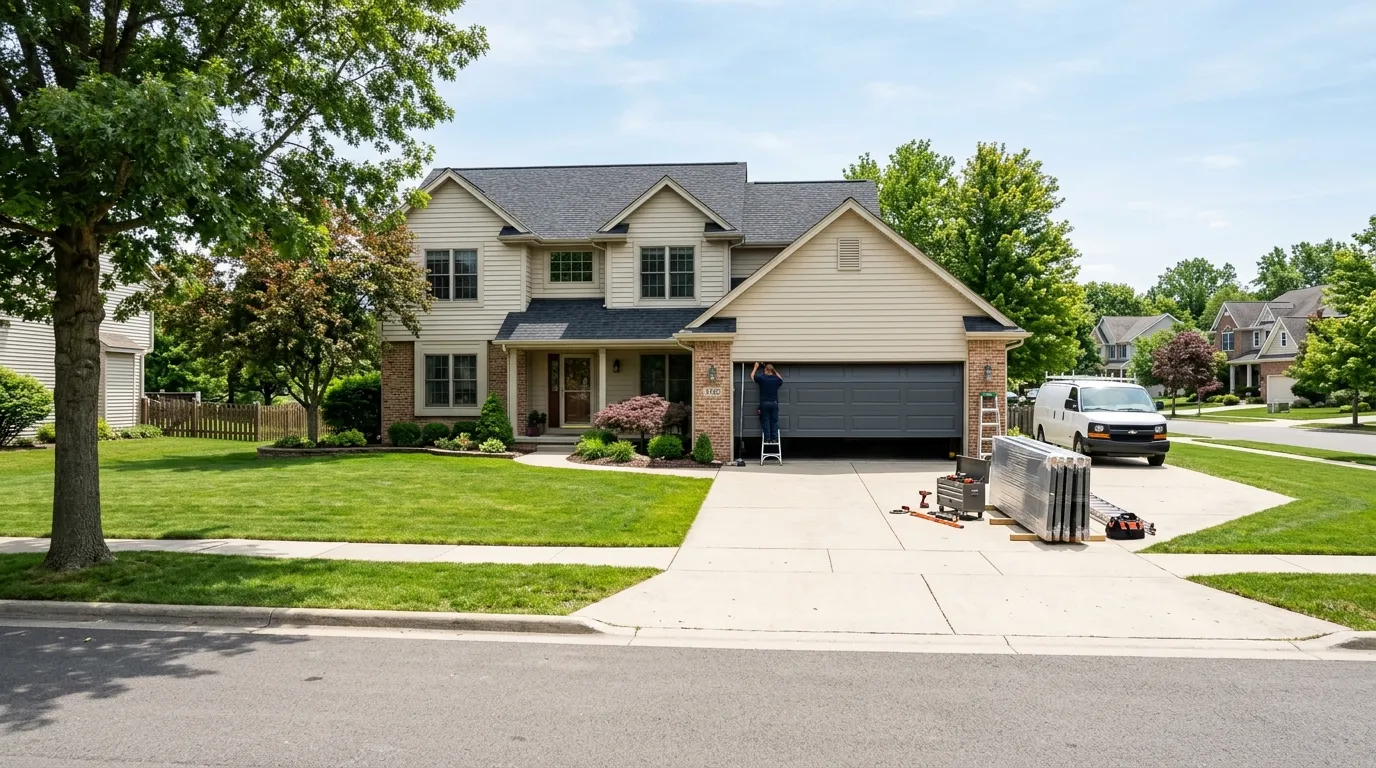
Northeast Reno sits about 3 miles east of downtown, inside a service area that covers roughly 18,039 households and 11,782 owner-occupied houses, with a median household income of $102,625. That income figure matters less for what breaks and more for what people choose to fix versus replace - we see more owners here opt for a full door and opener swap rather than patch an aging unit repeatedly, once the repairs start adding up. Compared to the areas further out like Cold Springs or Spanish Springs at 12 miles, or Virginia City at 20, Northeast Reno is close enough that a same-day call is realistic on most days. Northwest Reno and Northeast Reno sit on opposite sides of the center at similar distances, and North Valleys is the farthest north point we cover at 7 miles.