What Is Built Here
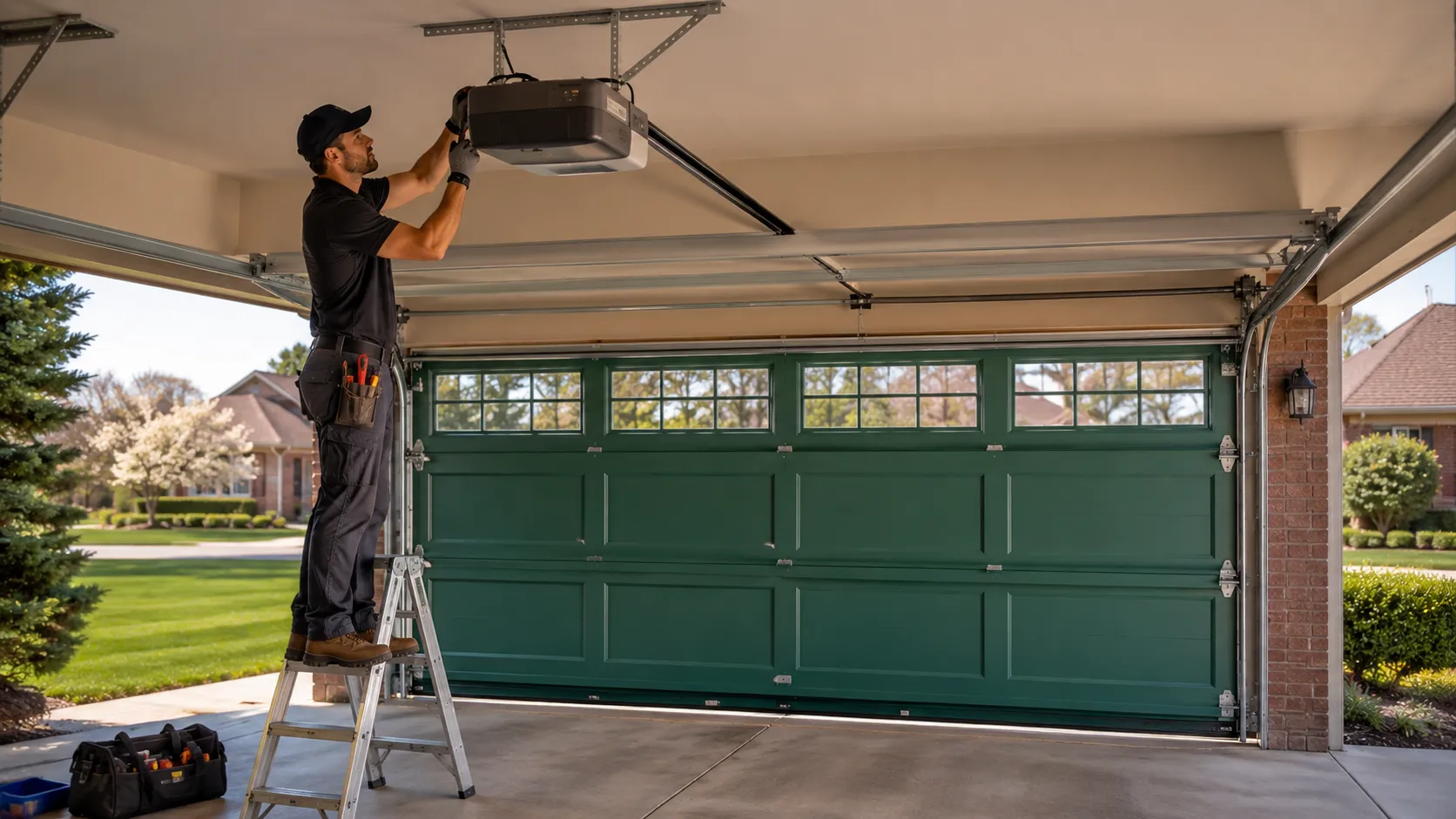
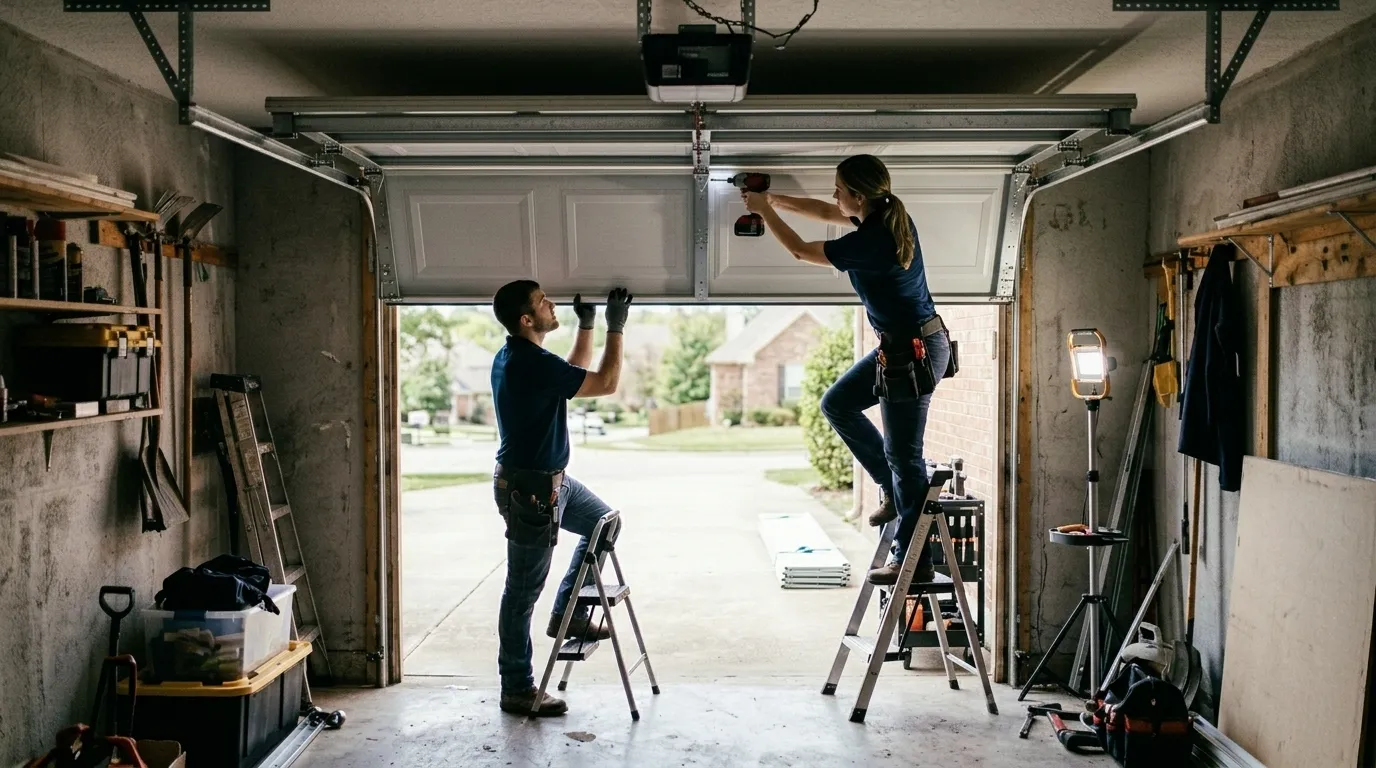
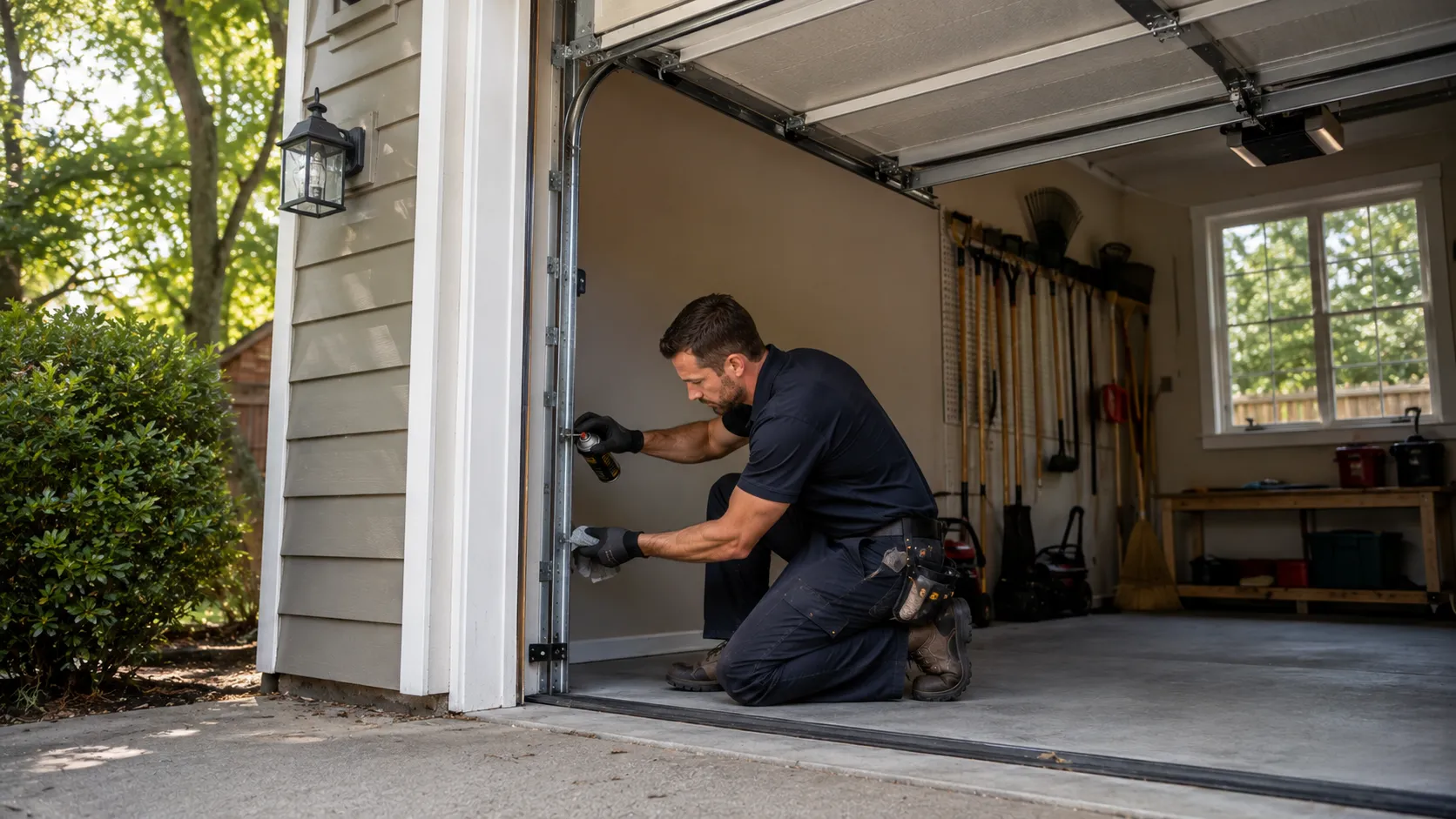
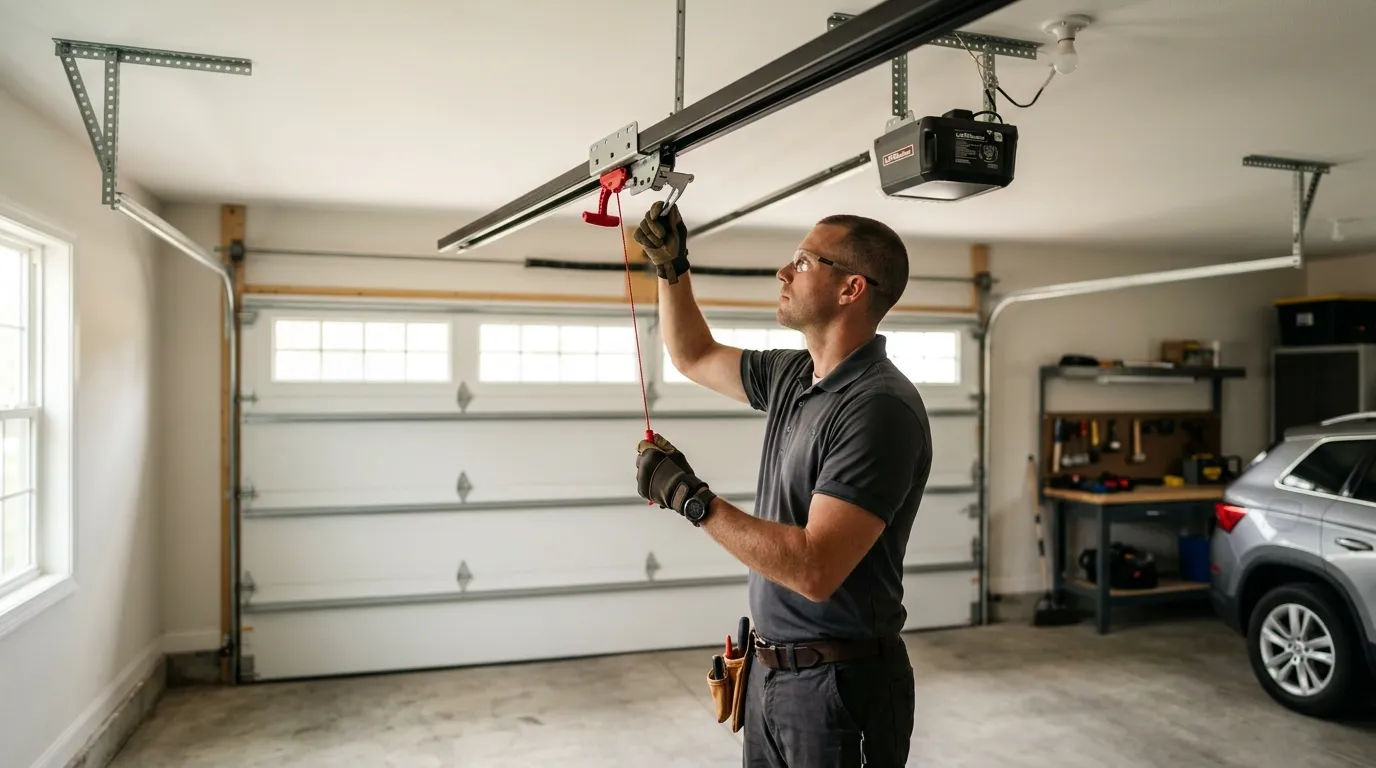
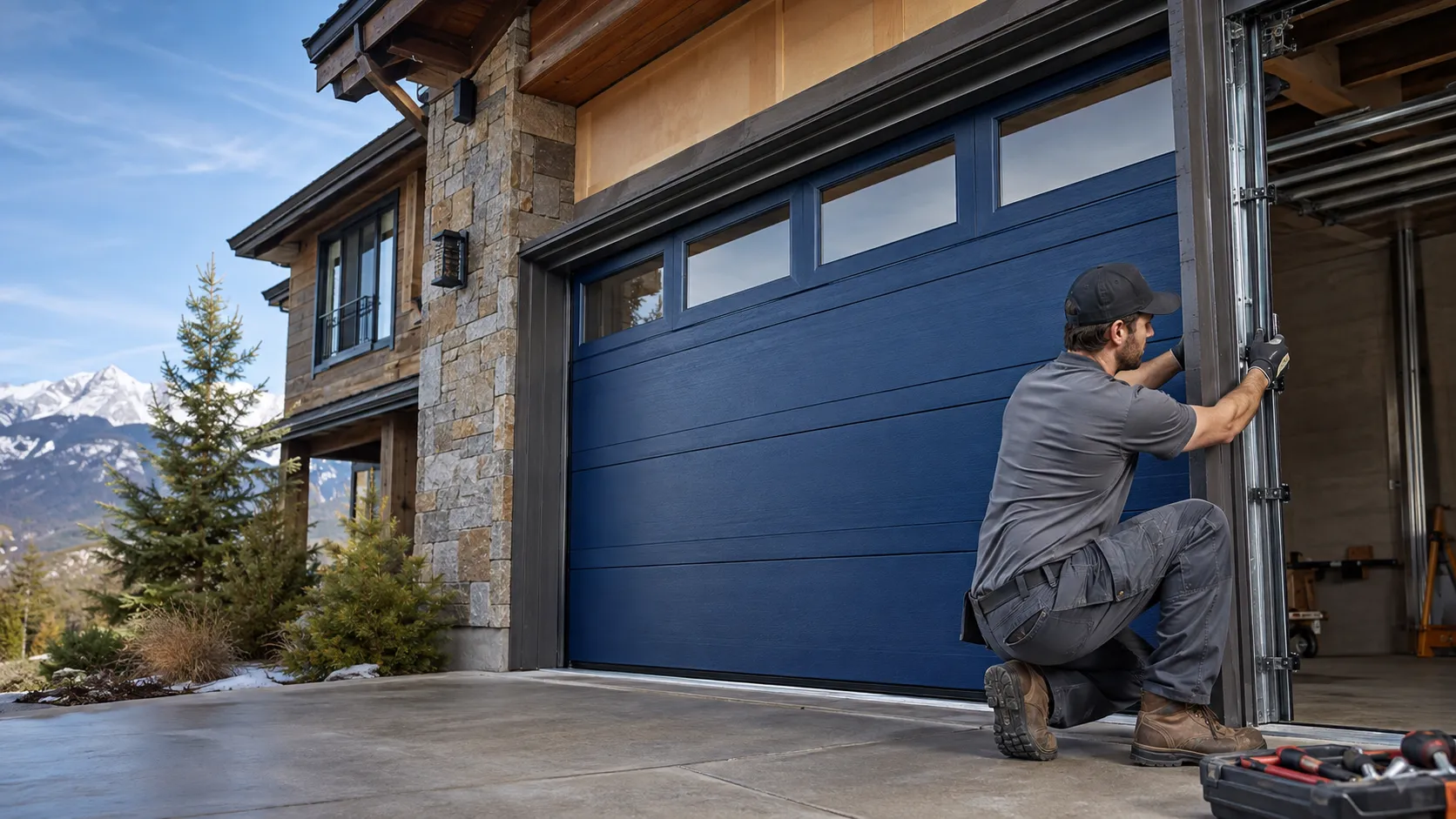
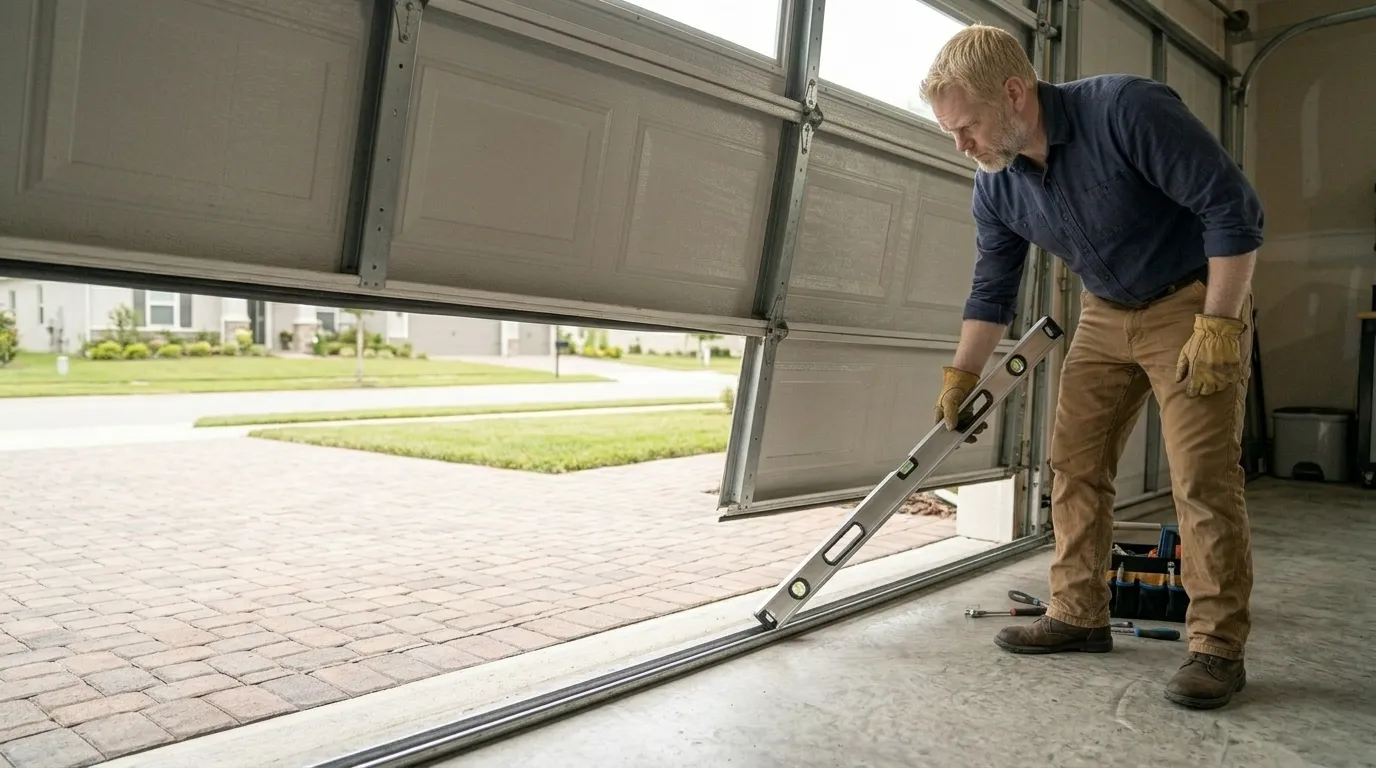
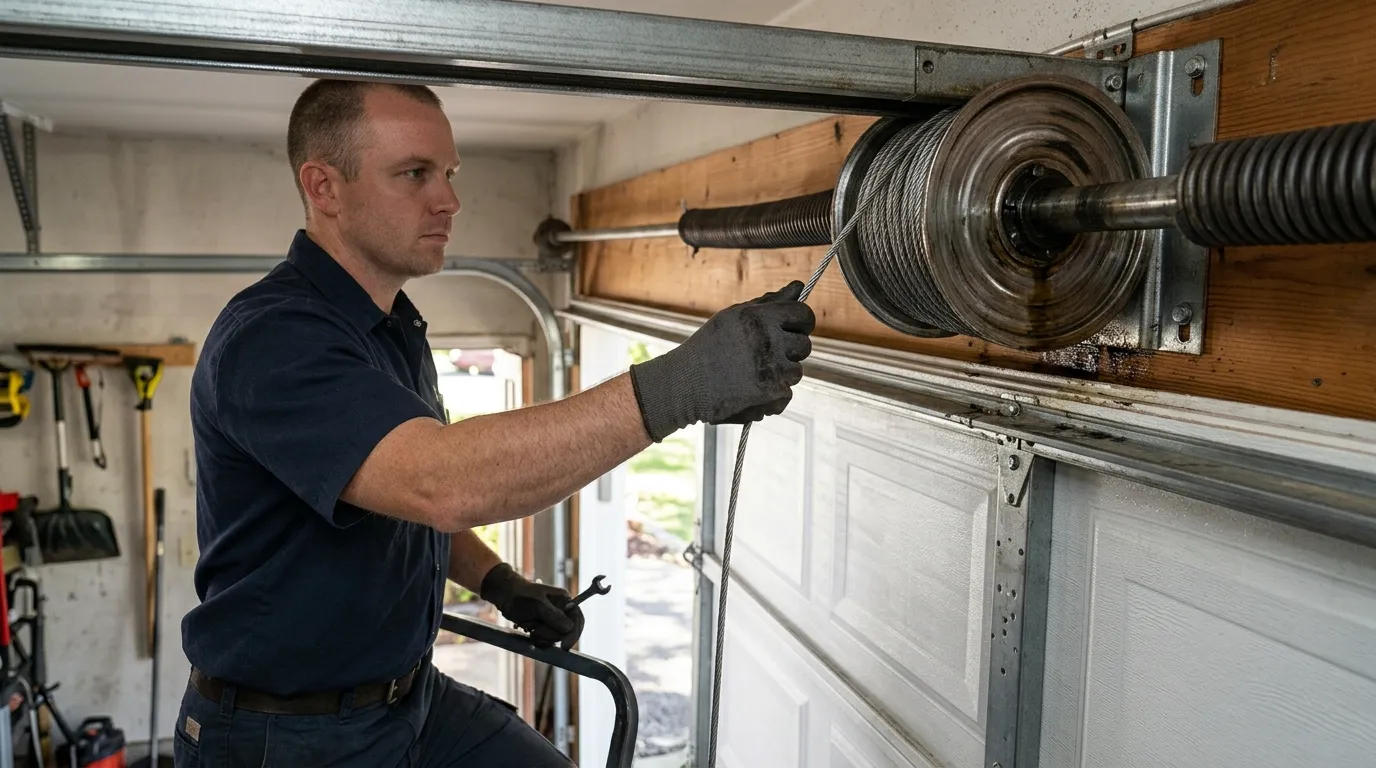
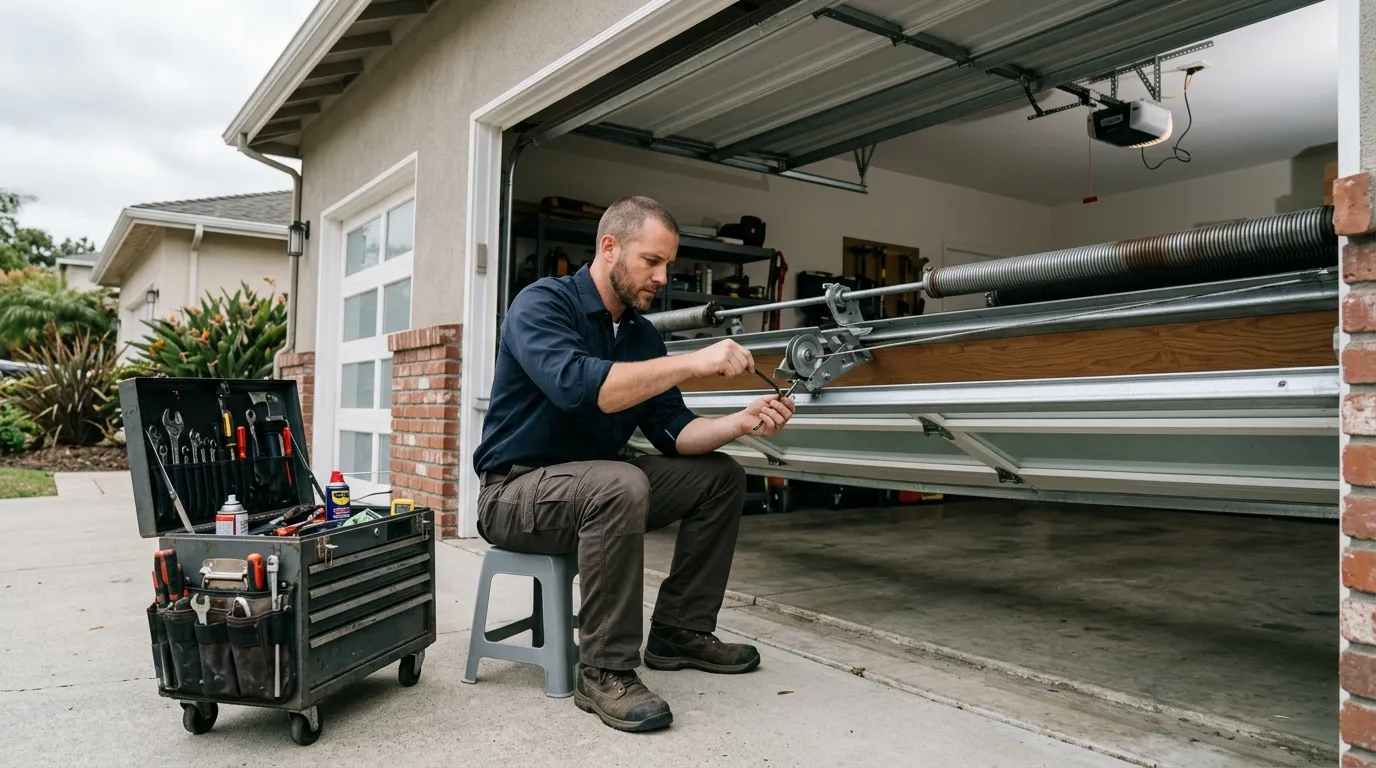
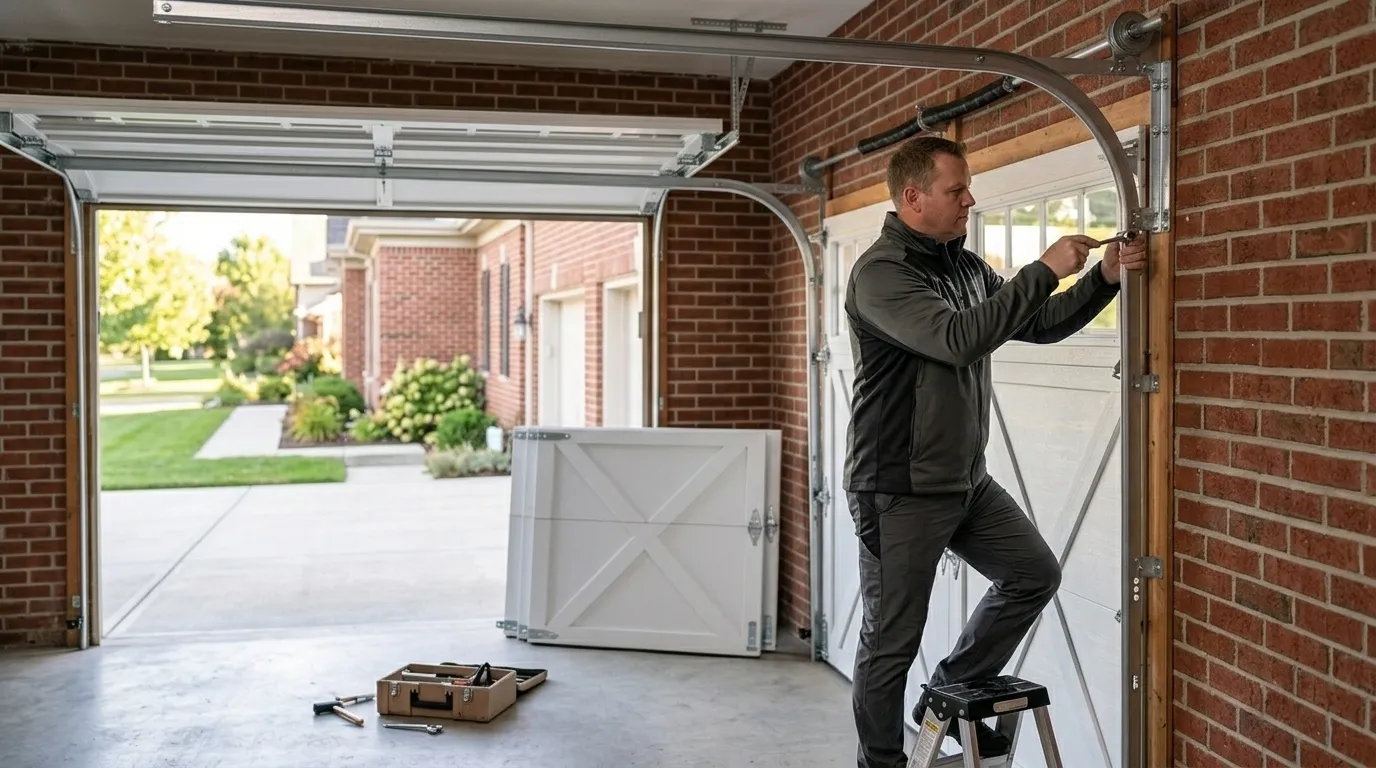
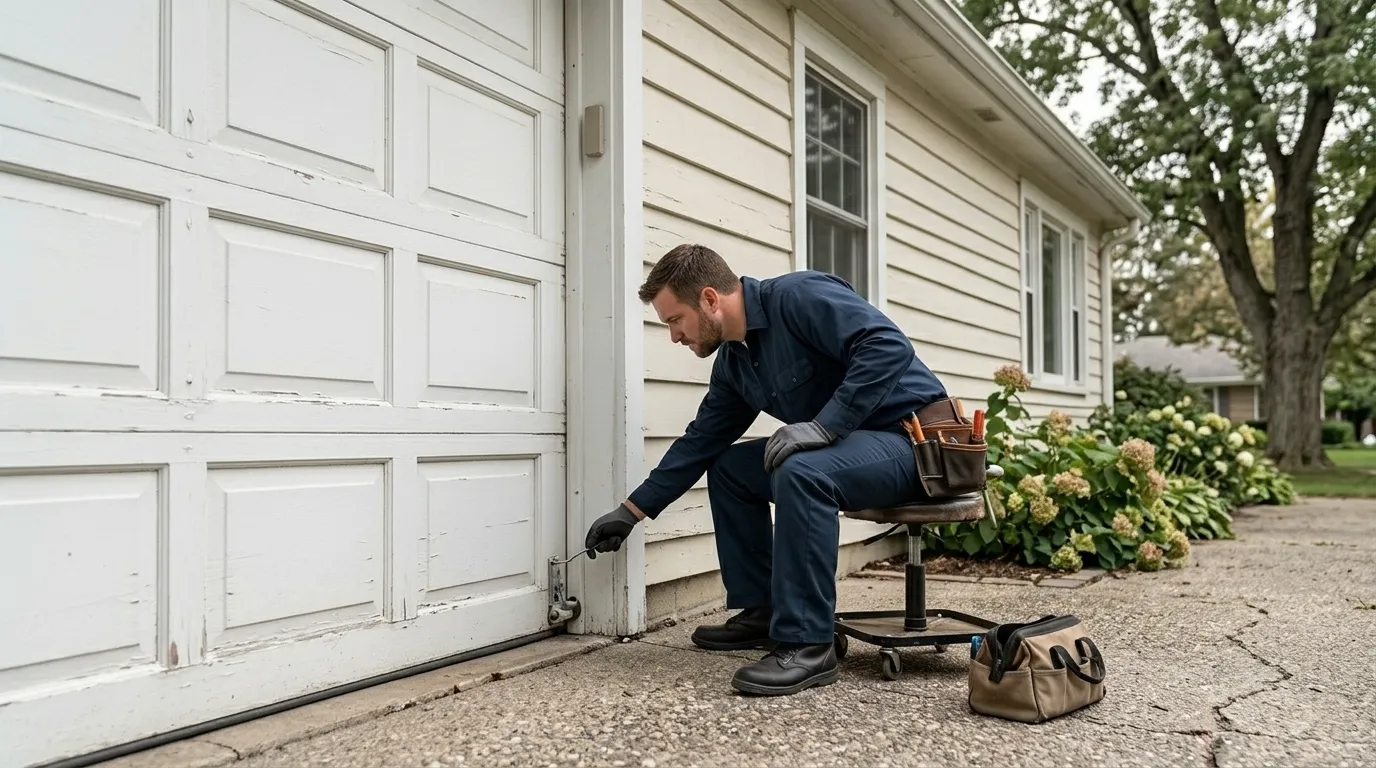
Northwest Reno sits inside a service area where housing went up between 1938 and 2003, with the median build year landing at 1989. That puts most of what you'll find in this part of town squarely in the 1980s and 90s wave of construction, one of five named pockets across the area that share this era. If your house dates from that stretch, you're likely looking at a steel sectional door on a torsion spring system that's original or close to it - the springs from that period are past their rated cycle count in most cases, whether or not they've ever failed. Some homes on the edges of this build window run older or newer doors, but the bulk of the work we get called out for here follows the 1980s-90s pattern: torsion springs due for replacement, openers from an earlier generation of chain-drive units, and tracks that were installed to code for that decade but not necessarily for how the doors get used now. We don't guess at what's behind your door before we see it, but knowing the era narrows down the parts we bring on the first trip.
What the Doors Are Like
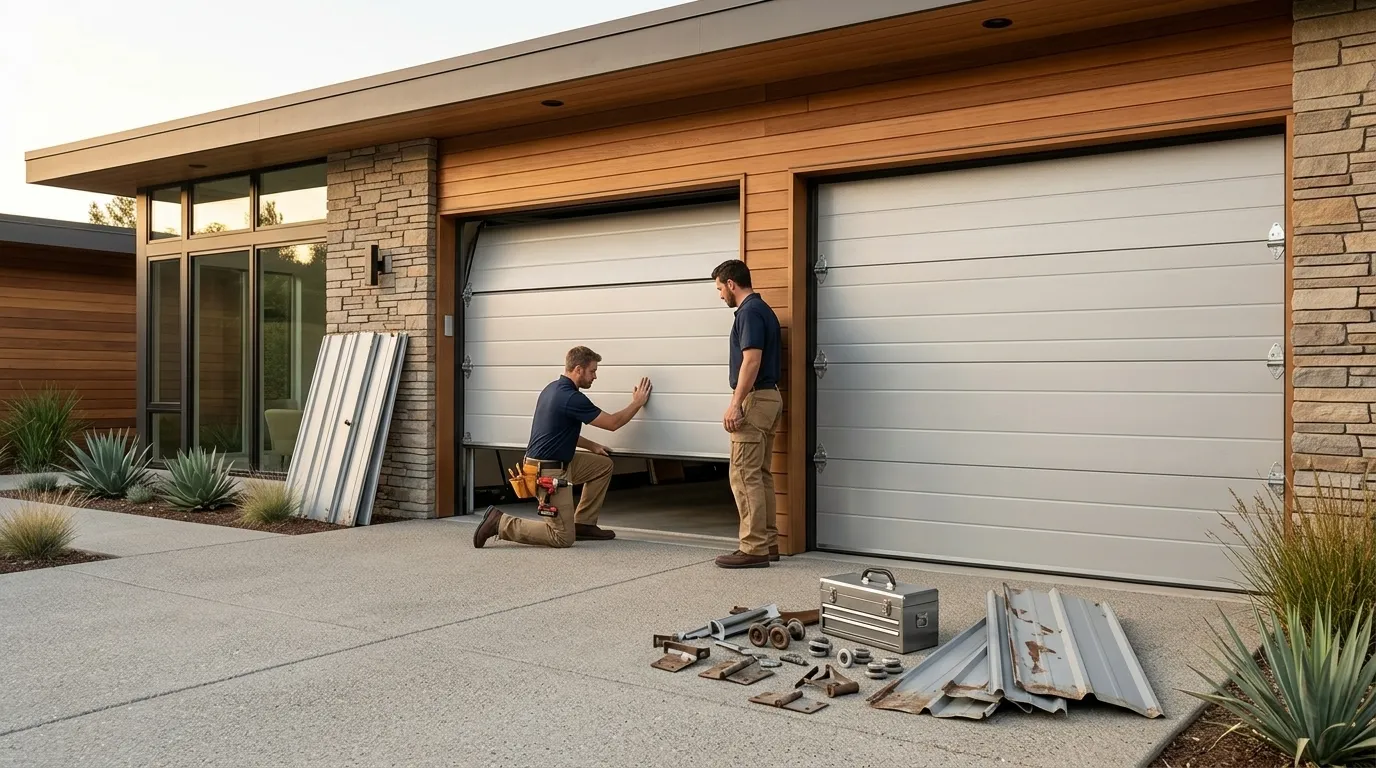
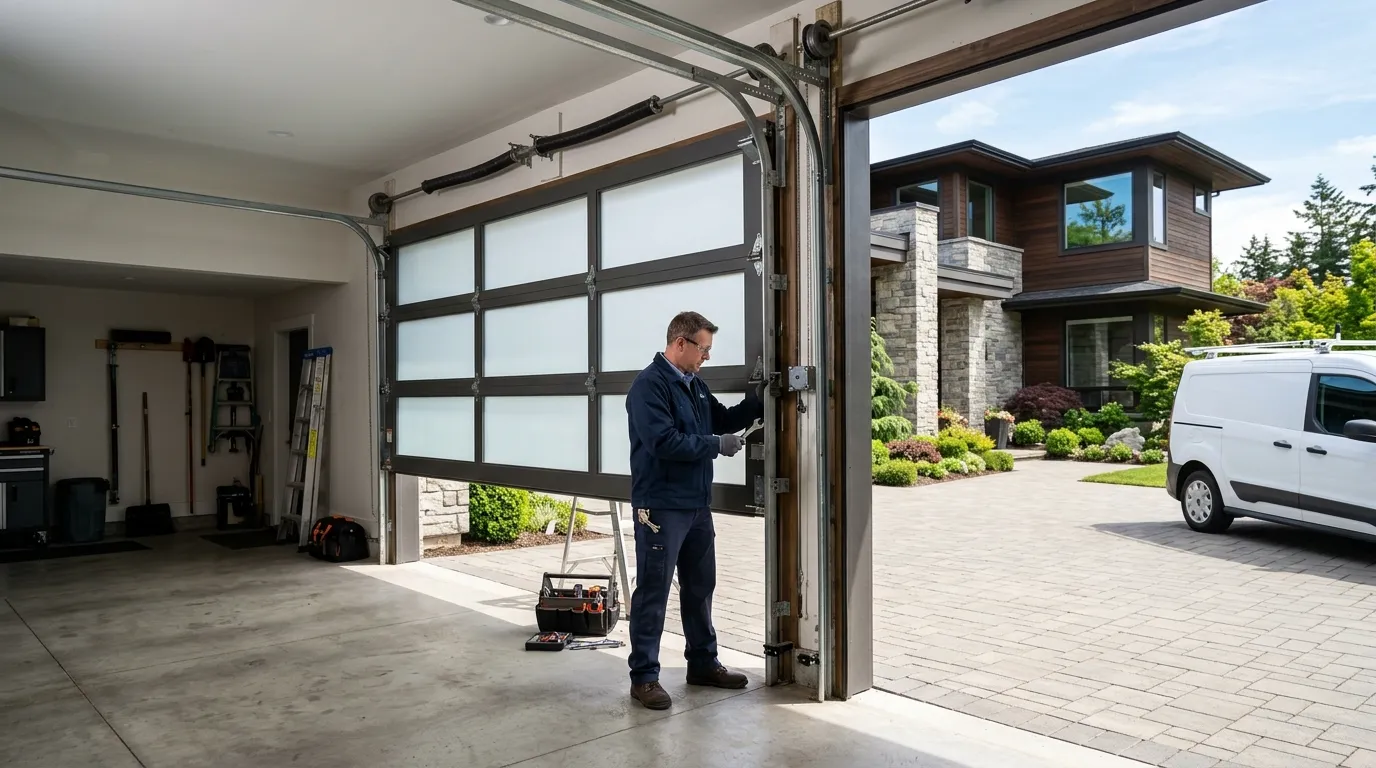
This area sits in a cold, severe climate band, which matters more for garage doors than most owners expect. Cold makes steel contract, springs stiffen, and nylon rollers crack faster than they would in a milder zone - all things that show up as a door that's suddenly noisy or hesitant in the first cold snap of the season. Doors from the 1980s-90s stock common here were built to the standards of their time, which didn't always include the insulation or weatherstripping owners want now. A lot of the replacement work we see in this part of the service area isn't emergency spring breaks - it's owners upgrading from an uninsulated single-layer door to something that holds heat better against a real cold-climate winter. We'll tell you straight if your existing door is sound and just needs a spring or seal, versus when the age and the cold have both caught up with it and replacement is the better spend.
Where You Are
Northwest Reno sits about 3 miles west-southwest of the city center. From here, Sun Valley is roughly 6 miles off, Verdi about 7, and West University is close by to the southeast at about a mile. Northeast Reno sits across town, roughly 3 miles east, while North Valleys runs about 7 miles north. Being this close to the center means shorter drive time for us and less guessing about which build era your street falls into, since Northwest Reno tracks the same 1980s-90s pattern common across this side of the service area.