When Waiting Is Fine
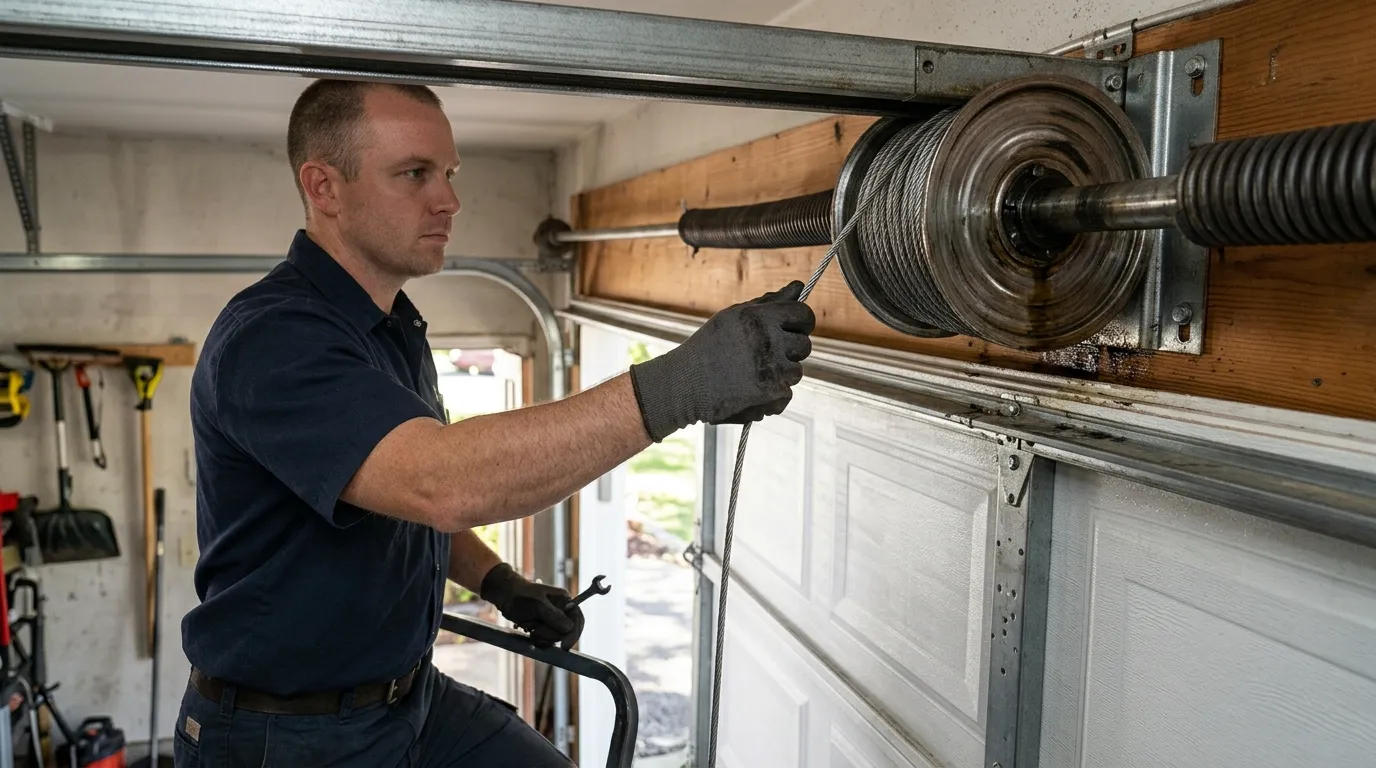
If the spring let go and the door is down, you can usually wait. A broken torsion spring means the door won't open on the opener alone, but the house is still secure once the door is closed. That's true whether the break happened at 2pm or 2am.
What changes the calculus is temperature. Reno sits in a cold-severe climate band, and steel contracts in low temperatures. A spring that was already fatigued is more likely to snap on a cold morning than a mild afternoon, and once it's broken, cold makes the metal on the rest of the hardware more brittle to work with. If you can leave the car in the driveway for a day or two and the door is closed and locked, there's no reason to pay after-hours rates just to have someone stand in your driveway at night.
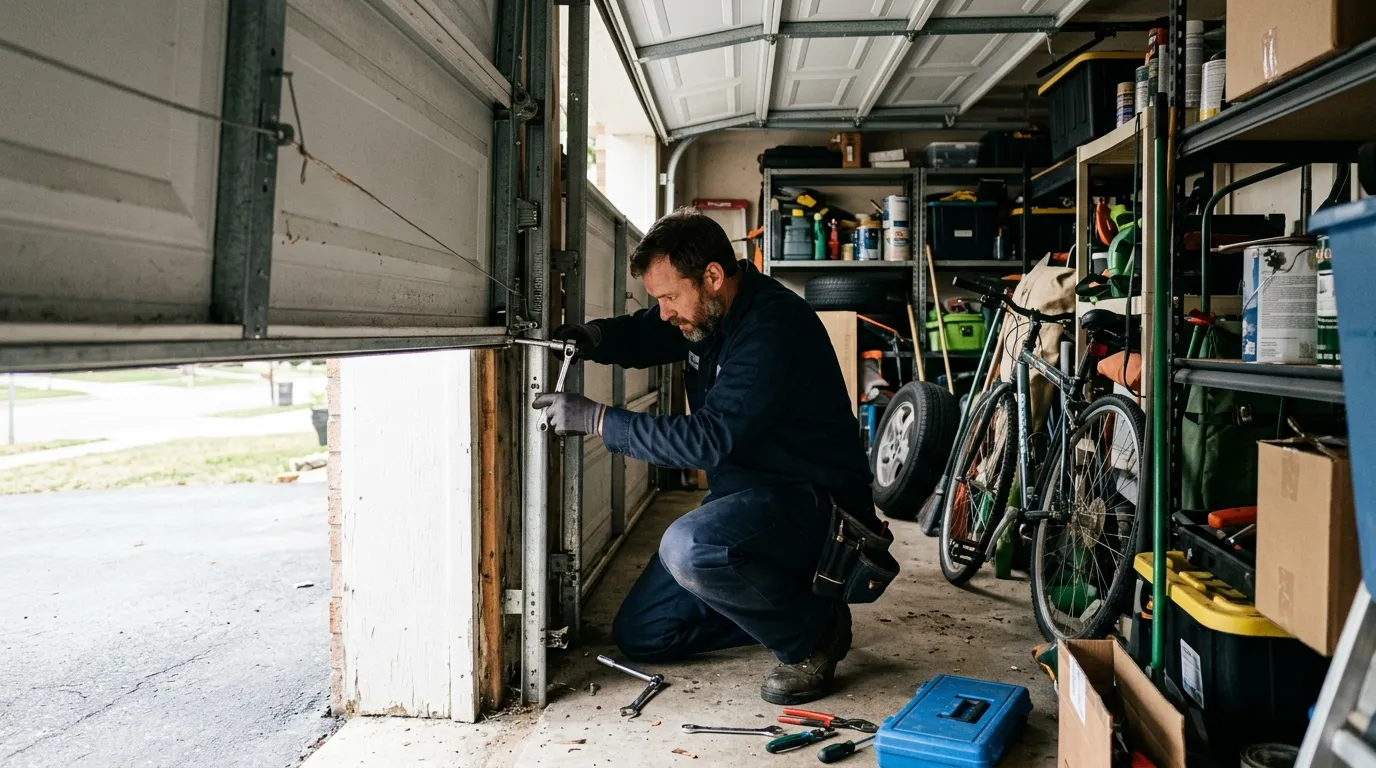
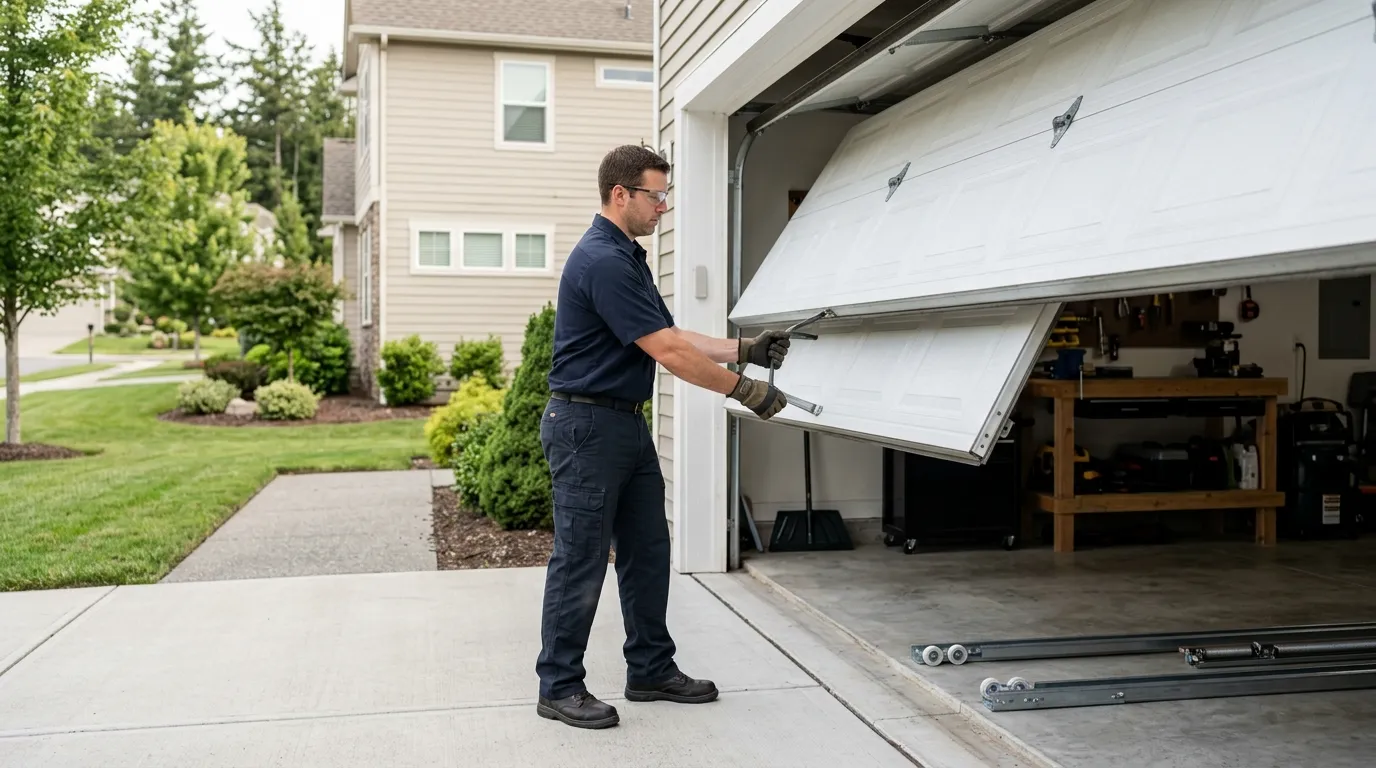
The one case where you shouldn't wait: if the door is stuck partway open, or a cable has come off the drum along with the spring. That's a different repair and it's not safe to leave a gap in the door overnight in winter.
What It Costs
We don't have a price to quote here without seeing the door, the spring size, and whether it's a single or double door setup, so we're not going to make up a number. What we can tell you is what drives the cost up or down: single springs are less involved than a two-spring double-door setup, and if the cable or drum got damaged when the spring let go, that adds to the job.
One thing worth knowing before you call around: a repair quote that sounds too low for a double-door torsion job is worth a second look, because it often means only one spring is being replaced when both are worn. Springs on the same door usually wear at close to the same rate, especially on houses from the same build era, so replacing just one often means a second call within a year or two.
How Local Conditions Play In
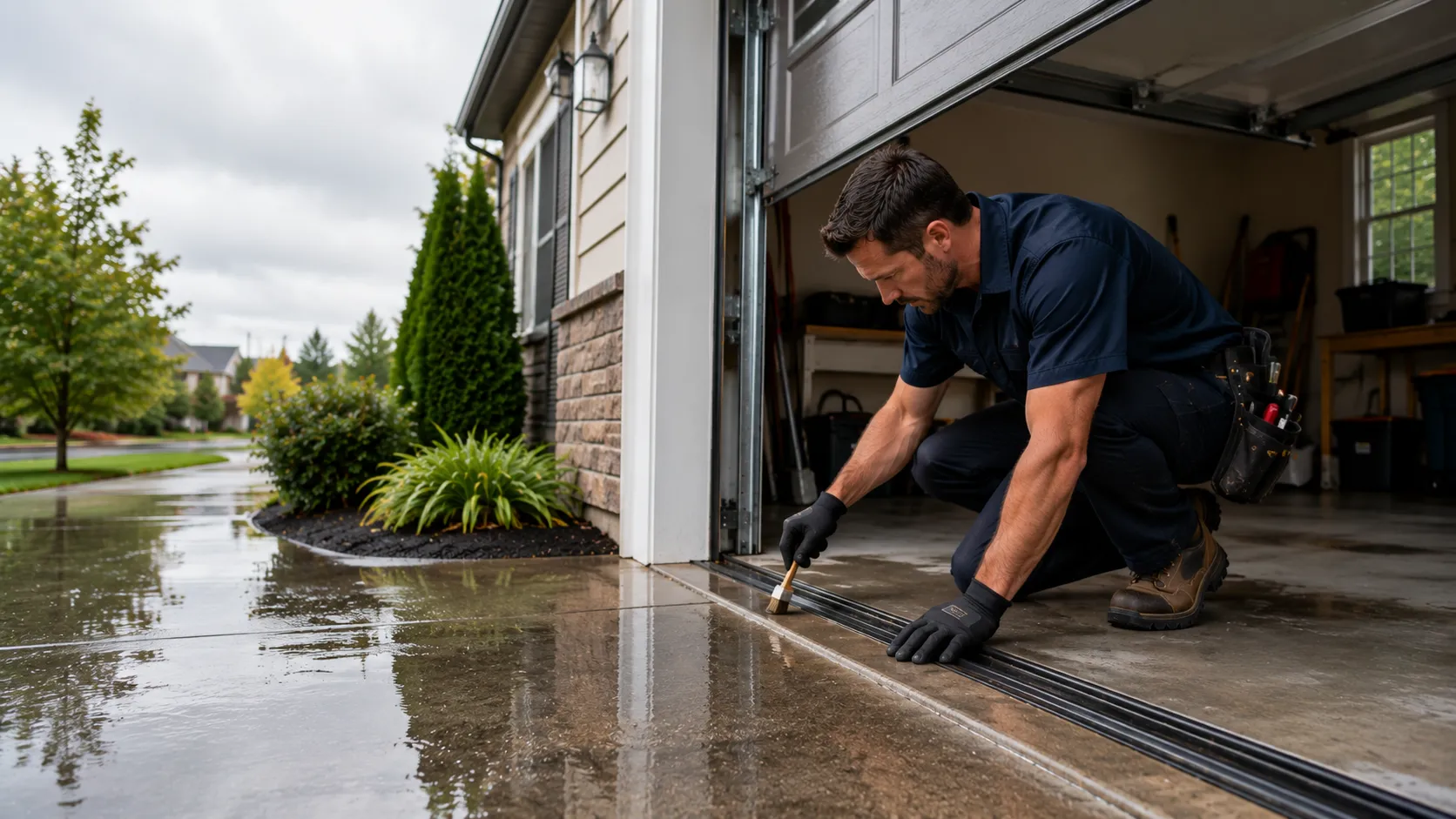
Cold weather doesn't just make springs more likely to break, it also makes the repair itself different. Steel is less forgiving in low temperatures, torsion bars and winding bars behave differently in the cold, and grease inside older bearings can stiffen up, which changes how the door moves once the new spring is on. None of this is exotic, it's just what a cold-severe climate does to a mechanical system that sits outside or in an unheated garage all winter.
Across the service area, most of the roughly 11,782 owner-occupied houses have an attached or detached garage exposed to the same swings in temperature, so this isn't a problem specific to one street or one subdivision. It's a function of the climate band Reno sits in, not the neighborhood.
If your garage is unheated and the door sees a lot of temperature swing between morning and afternoon, expect the spring to show wear a little sooner than the textbook cycle-life numbers suggest. That's not a guarantee, just a pattern we see tied to how this climate treats outdoor hardware.