What It Costs
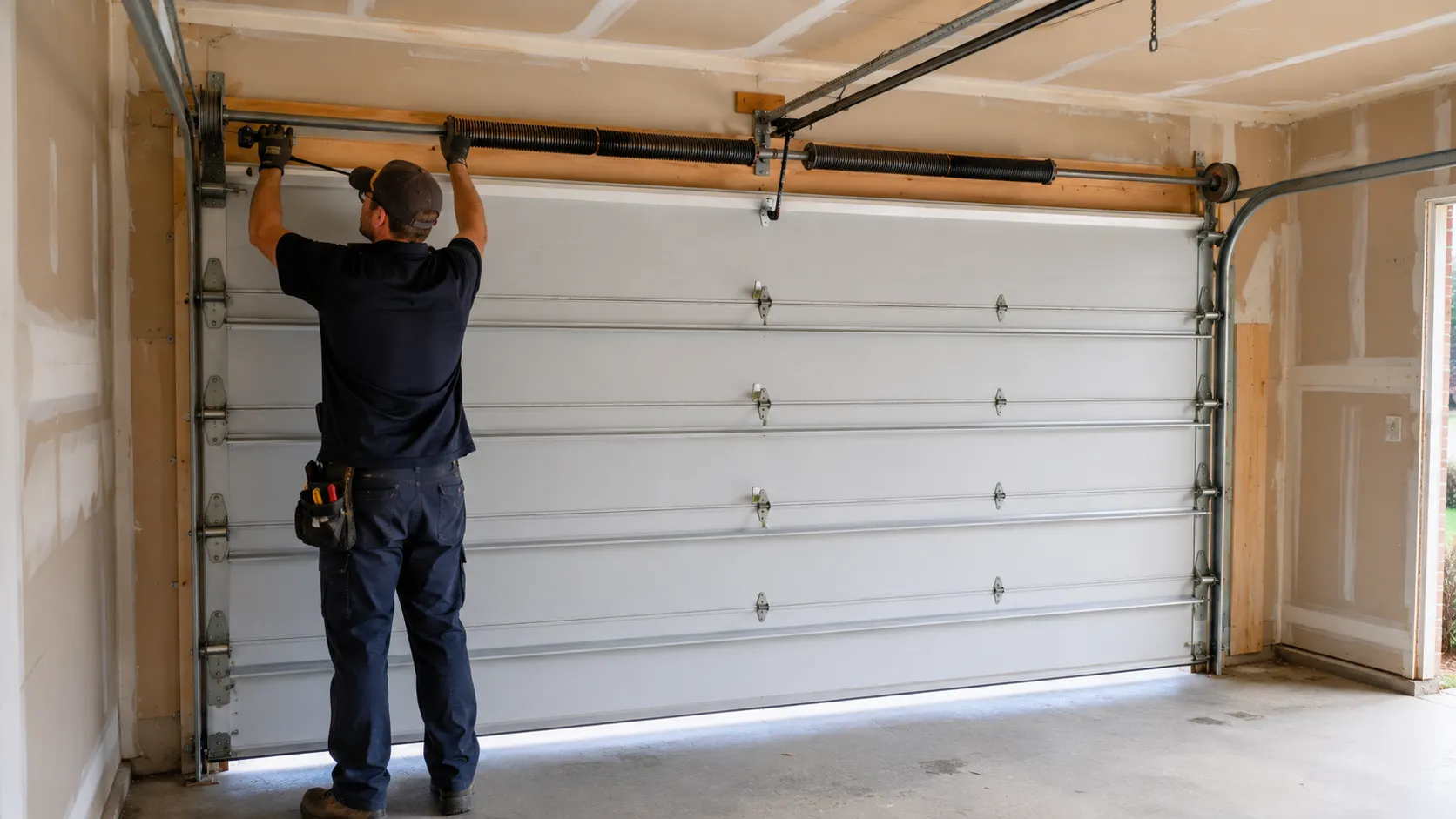
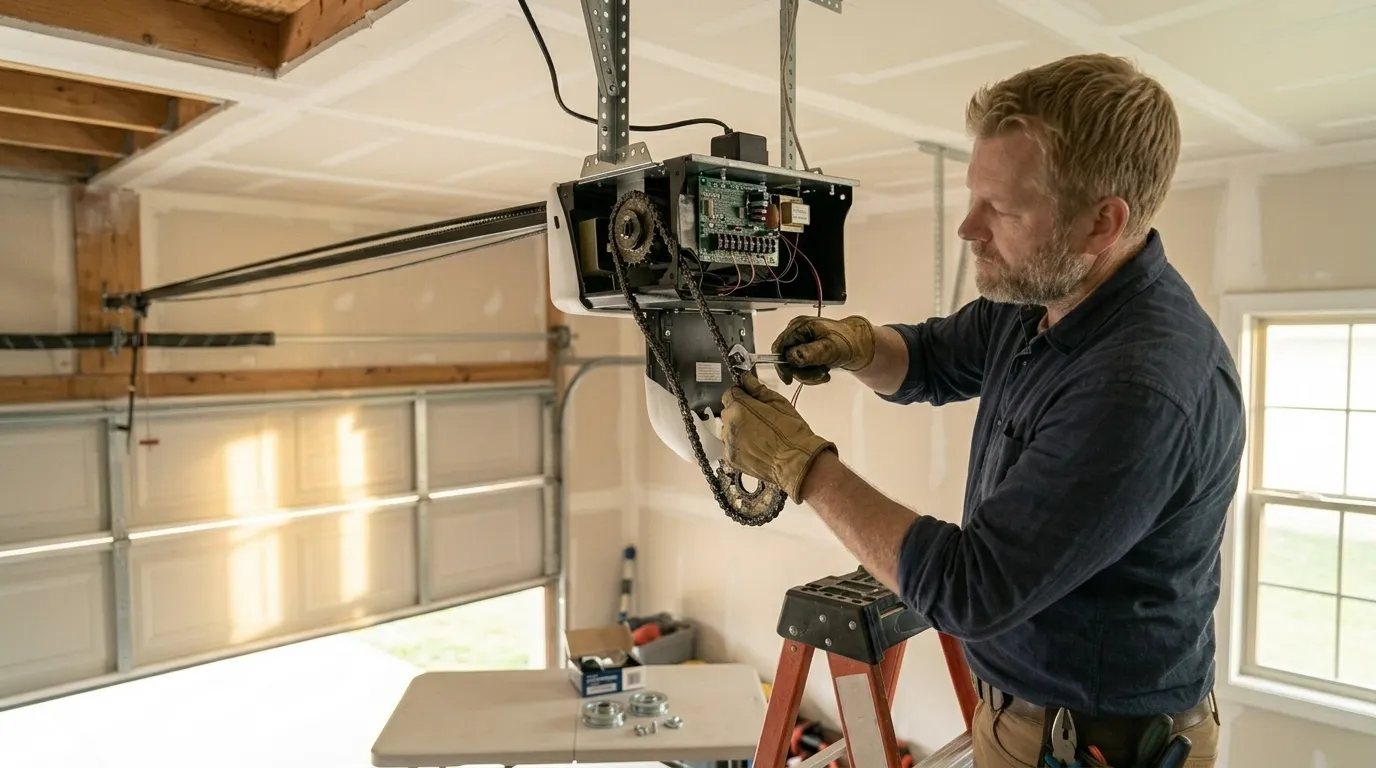
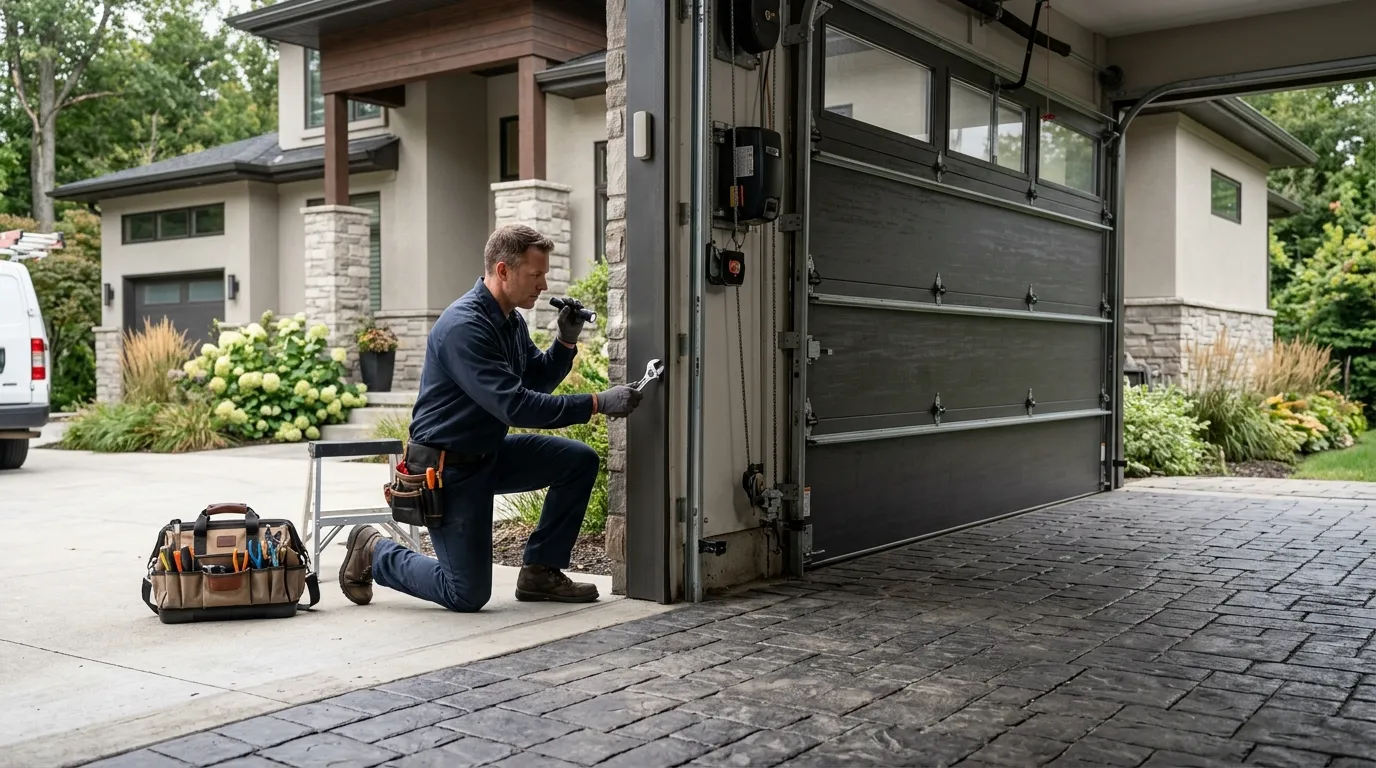
We won't quote a number over the phone before we've seen the door, and we're not going to make one up here either. What drives the cost is the spring size, whether the opener is original to the house or already a replacement, and how bad the track or cable damage is once we get the door open. A house built in the 1989 median year for Reno tends to still have a builder-grade torsion spring rated for a lighter cycle count than what 30-plus years of daily use has put on it, and swapping that spring costs less than replacing a bent track or a burned-out opener motor.
Households across the Reno service area sit at a median income of $102,625, and most of the jobs we run are repairs, not full door replacements, because most of what fails on a house this age is a single part, not the whole system. If the door is original to a 1938-era or 1950s build, though, parts can be a different story, and we'll tell you straight if a repair isn't worth it against a replacement. We give the real number after we look at the hardware, not before.
Why It Happens Here
Reno sits in a cold, severe climate band, and that matters more for a garage door than people expect. Steel torsion springs lose tension faster with repeated cold snaps than they do in a mild climate, because the metal contracts and expands with every swing, and Reno gets real swings between summer and winter. That fatigue is cumulative, which is why a spring that held fine for twenty years can fail in year twenty-two without warning.
On top of the climate, the housing stock itself works against these parts. Most of what we service was built between 1938 and 2003, with the heaviest concentration going up through the 1980s and 90s across neighborhoods like West University, Northwest Reno, Northeast Reno, and out toward Sun Valley and North Valleys. Builders in that era used a fairly standard torsion spring and opener setup across thousands of houses, which means a lot of Reno's roughly 11,782 owner-occupied houses are carrying original or first-generation hardware that's simply aged out. It's not one bad batch of parts. It's a whole era of housing hitting its wear ceiling at the same time, on a climate that speeds the process up.
How It Shows Up
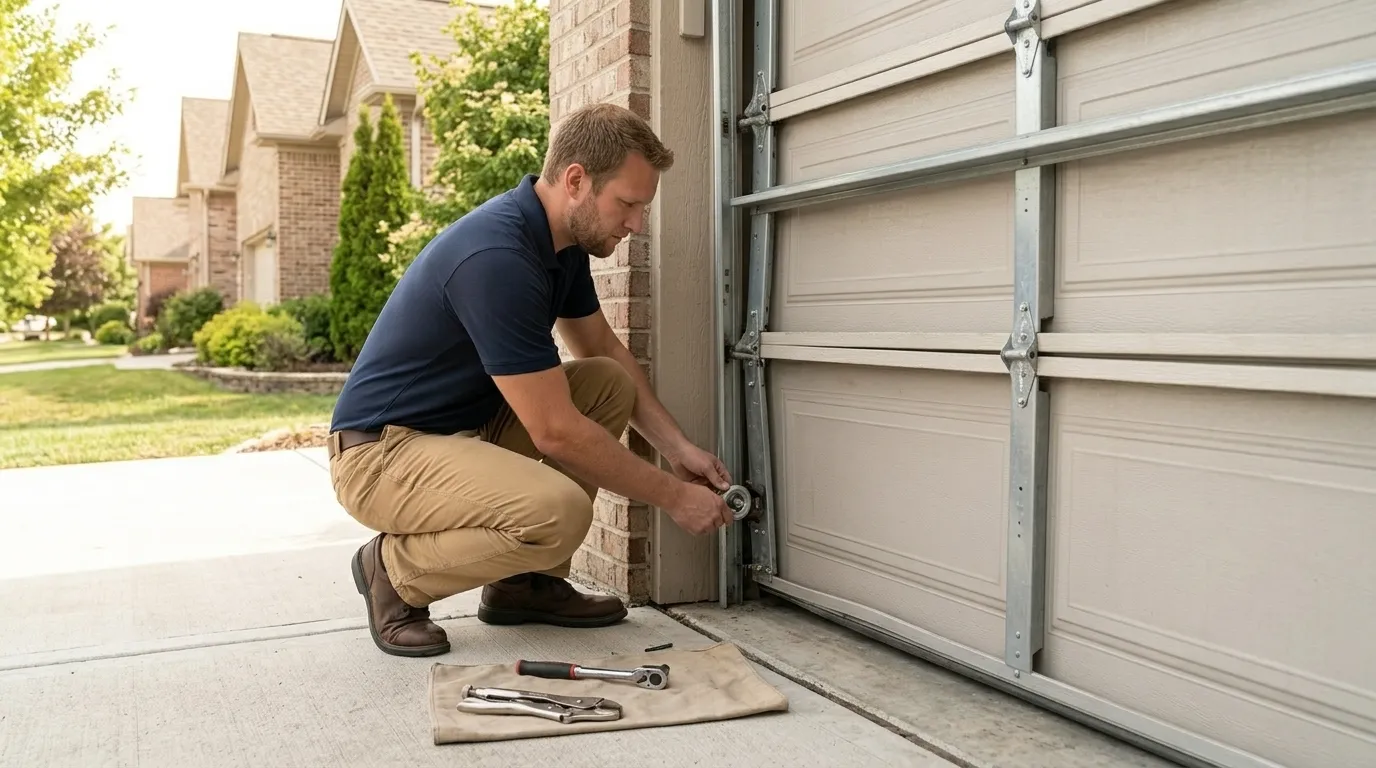
On the older end of Reno's housing, from the 1938 to 1960s builds nearer West University and the closer-in parts of town, the failure mode is usually a spring that's simply outlived its rated cycles, or a cable starting to unwind at the bottom bracket. The door gets heavier to lift by hand, the opener strains and sometimes reverses partway up, and eventually the spring lets go, usually with a loud bang that scares everyone in the house more than it should.
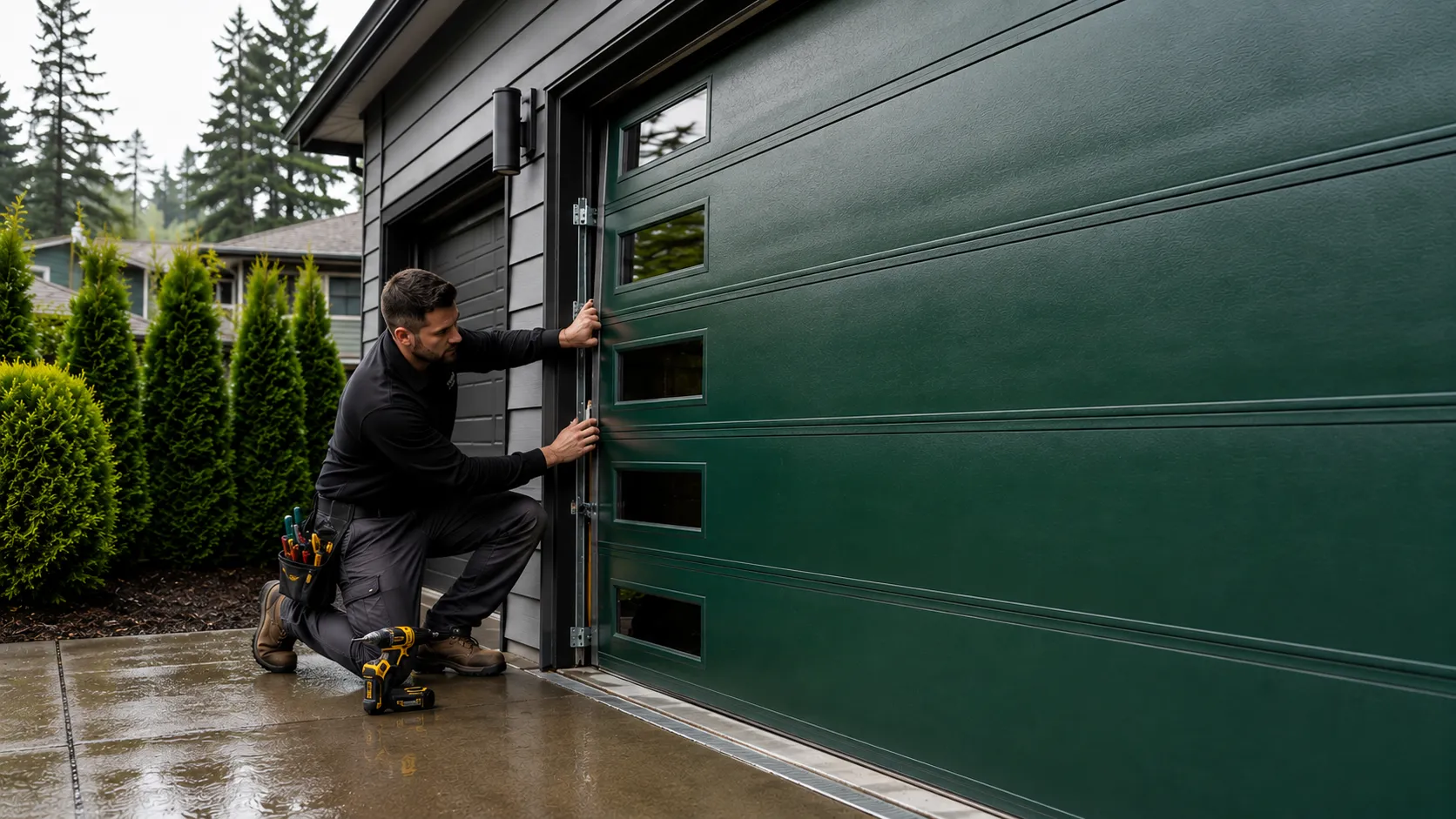
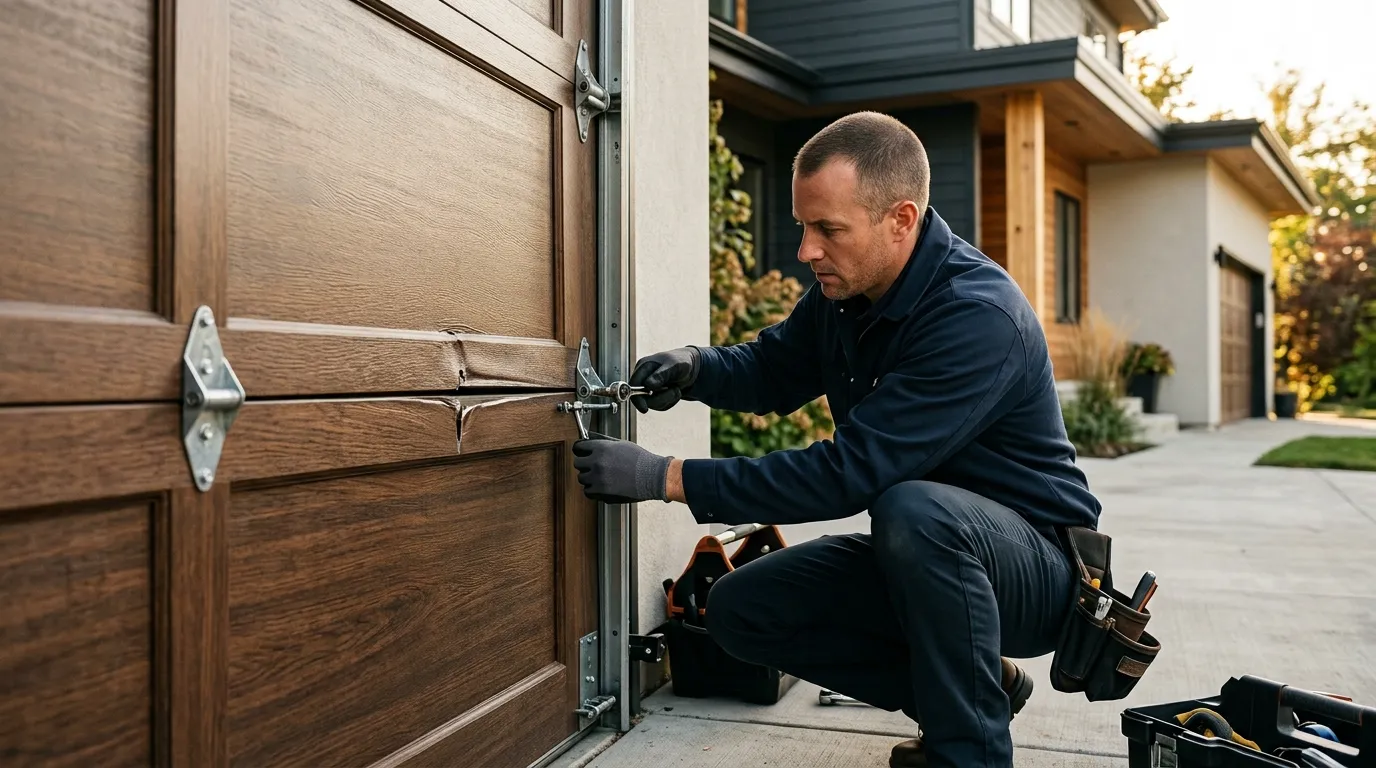
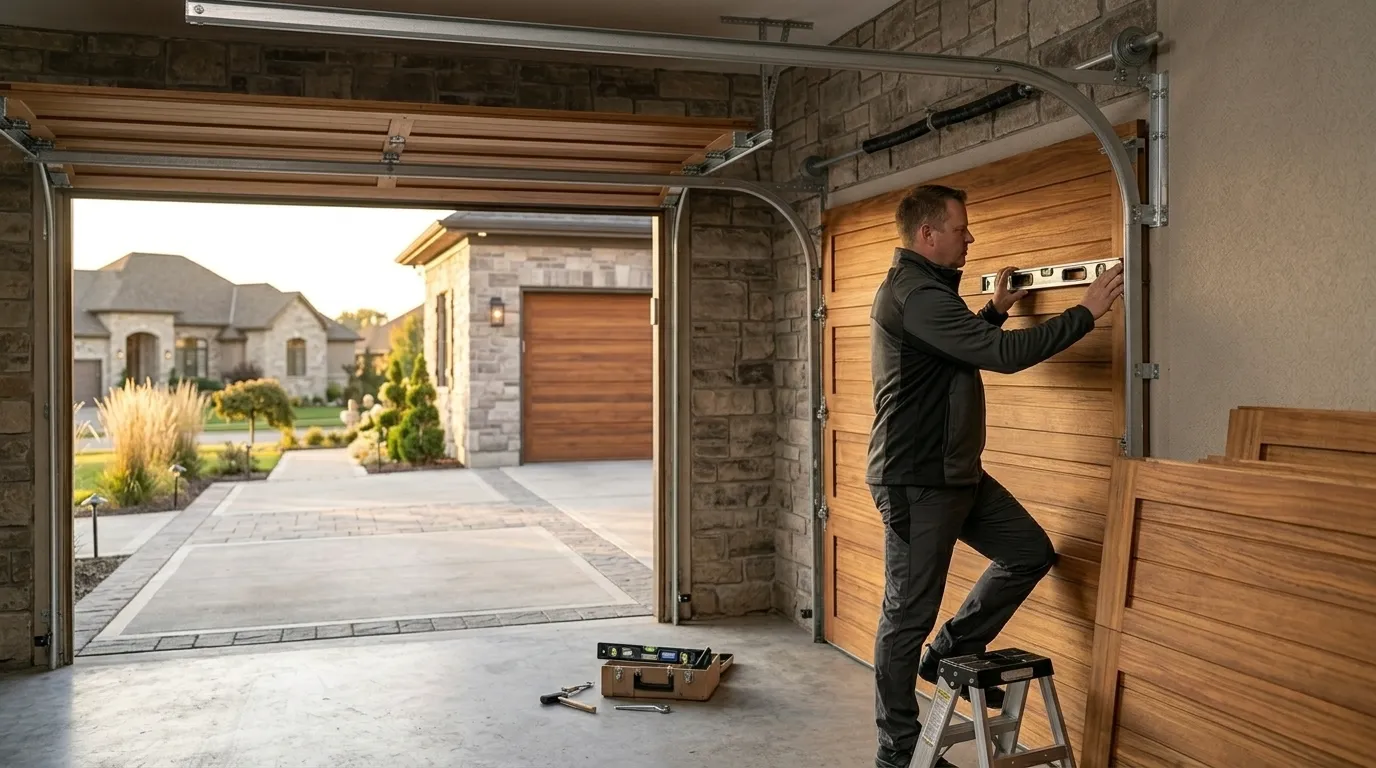
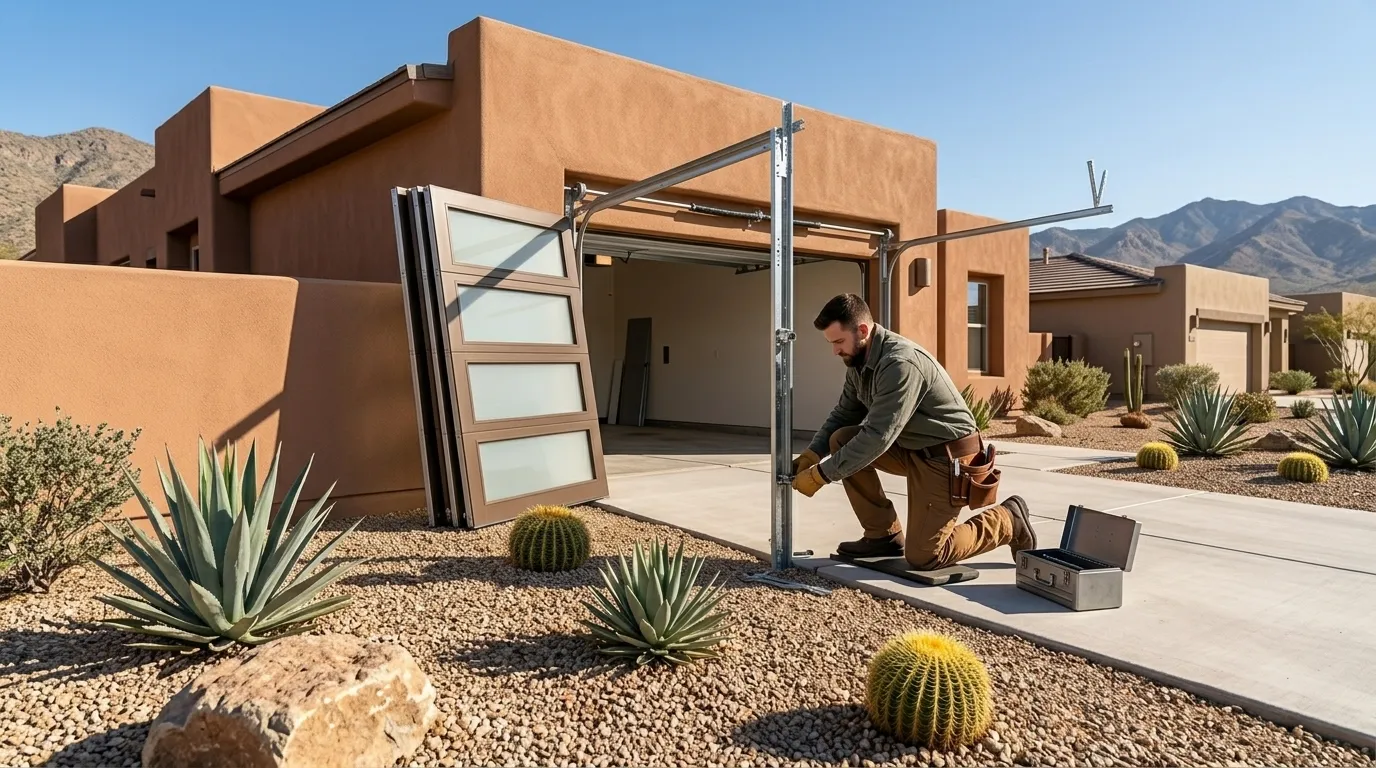
On the 1980s and 90s stock that makes up most of Reno, out toward Sun Valley, Verdi, and the newer pockets past North Valleys, the more common sign is a track that's slowly bent out of alignment from a roller that's worn down over three decades of cold-weather cycling. You'll notice the door shudder or catch partway through its travel, or hear a grinding sound as the roller drags rather than rolls. Either pattern is worth a call before the part fails completely and the door comes off its track.